

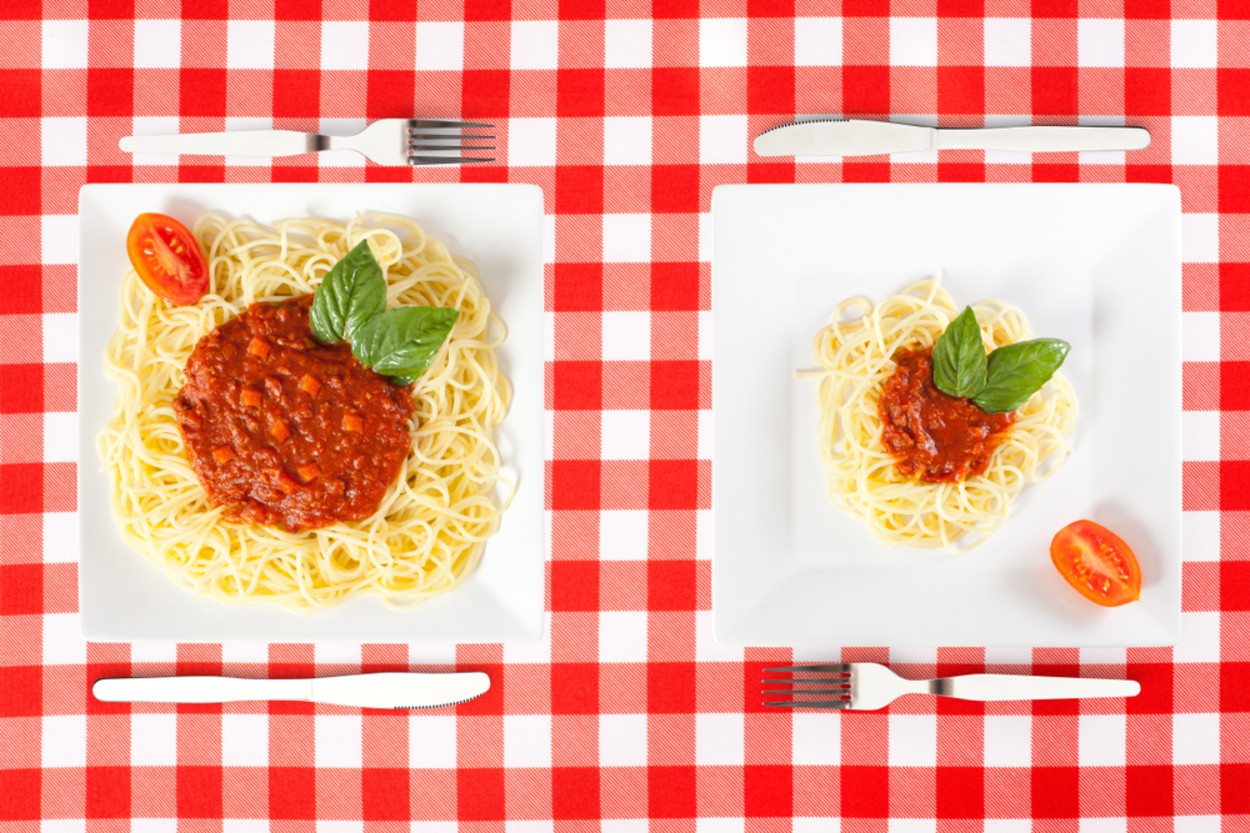
Eating out can be a small escape, sometimes the best reward of the day. You try a new place, menu looks good, atmosphere seems fine… then plate arrives and those moments begin: “Okay, but why is this like this?” Not every restaurant acts in bad faith. But the industry has habits. Small tactics used to speed kitchen flow, lower costs, or make customers feel things are “better.” Sometimes harmless, sometimes annoying.
In this article I won’t do drama like “restaurants are deceiving us.” I’ll simply explain 7 common kitchen tricks you may encounter, in plain language.
Using big plates to make small portions look larger
Classic move. Portion shrinks, plate grows. Big plate tricks your eye. First glance says “looks generous.” A few bites later you notice the center is already empty.
Common in pasta, salads, rice plates, anything spreadable. If you watch carefully, food is often stretched thin toward plate edges. Is it always bad? Not necessarily. But if price is high and portion is small, oversized plating is mostly perception design.
Labeling cheap ingredients as premium with “homemade / special sauce” wording
Menu language can cost more than food itself. “Homemade,” “special recipe,” “chef touch” sounds premium. But kitchen reality may be simple: ready-made sauce base with spice tweak, standard cheese with garnish, regular chicken with fancy plating.
Key point: these phrases are not always lies. But often, what raises price is narrative more than substance. Asking is not rude: “Is this sauce truly house-made or based on prepared stock?” Some places answer clearly, some rotate around the question. If they rotate, that itself is information.
Masking stale or weak product quality with heavy sauces
Sauce is wonderful when used correctly. But in some plates, sauce is not for flavor expression, it is for rescue. During rush hours or with fast-rotating prep, this happens a lot: overcooked meat, dry chicken, lifeless vegetables. Add heavy cream, aggressive spices, sugary glaze, and core issues become harder to notice.
Simple clue: if sauce fully covers everything and you cannot taste the main ingredient, sauce may be acting as a mask. Sauce itself is not the problem. Over-sauce often is.

Serving pre-cooked items as if freshly made
Very common, especially in places promising “served in 10 minutes.” Some products are pre-prepped, then reheated on order. Customer gets speed, table turns faster. Restaurant is happy. You may end up with fibrous dry meat or rubbery chicken center.
Not hard to notice: grilled items are scorching outside yet internally dry; pasta is initially hot but clumps quickly after two minutes. That often means the dish didn’t start fresh in that moment. Not every place does this, but when you encounter it repeatedly, pattern becomes visible.
Menu items that “exist” on paper but are rarely truly prepared
Writing 60 options while actually rotating 20 is a common tactic. Wide menus look attractive. But some items are made rarely or not at all. When ordered, kitchen quickly produces a “similar” alternative. Result may not match expectation.
Signal usually appears in service language: instead of simple “not available today,” staff gives long persuasive explanation and immediate redirect suggestion. Not always bad. But if this redirection repeats constantly, menu may be more showroom than reality.
Filling the plate with garnish and bread while shrinking the main product
Some plates look full but main protein is small: lots of fries, bread, greens. Eye sees volume. Very common in meat and fish plates.
Issue is not that sides are bad. Issue is when sides visually hide weak core portion. Ask yourself: “Am I eating the meat, or mostly the potatoes?” If answer is potatoes, core value may be diluted.
Selling the same base item under different names
Another quiet trick. Kitchen may run one core prep: same chicken, similar sauce bases, similar garnishes. On menu, it appears under three names: “spicy,” “smoked aroma,” “special sauce.” Sometimes differences are real, sometimes minimal. Price gap, however, can be very real.
Related topic: Why Does Meat Get Tough on the Grill??
Easiest way to spot it: read descriptions carefully. If ingredients are nearly identical and only wording changes, kitchen base is probably the same product.
Stay aware without ruining your dining mood
Don’t walk into restaurants as if they are enemies because you read this. Eating out is a great part of life. Seeing small signals simply sets better expectations. A place can have smaller portions but excellent flavor. Another can serve fast and state it honestly. Problem starts when perception is manipulated without transparency.
Best approach is simple: read menu calmly, ask two clear questions, take one real look at the plate. Then you choose better and enjoy meals out more.