

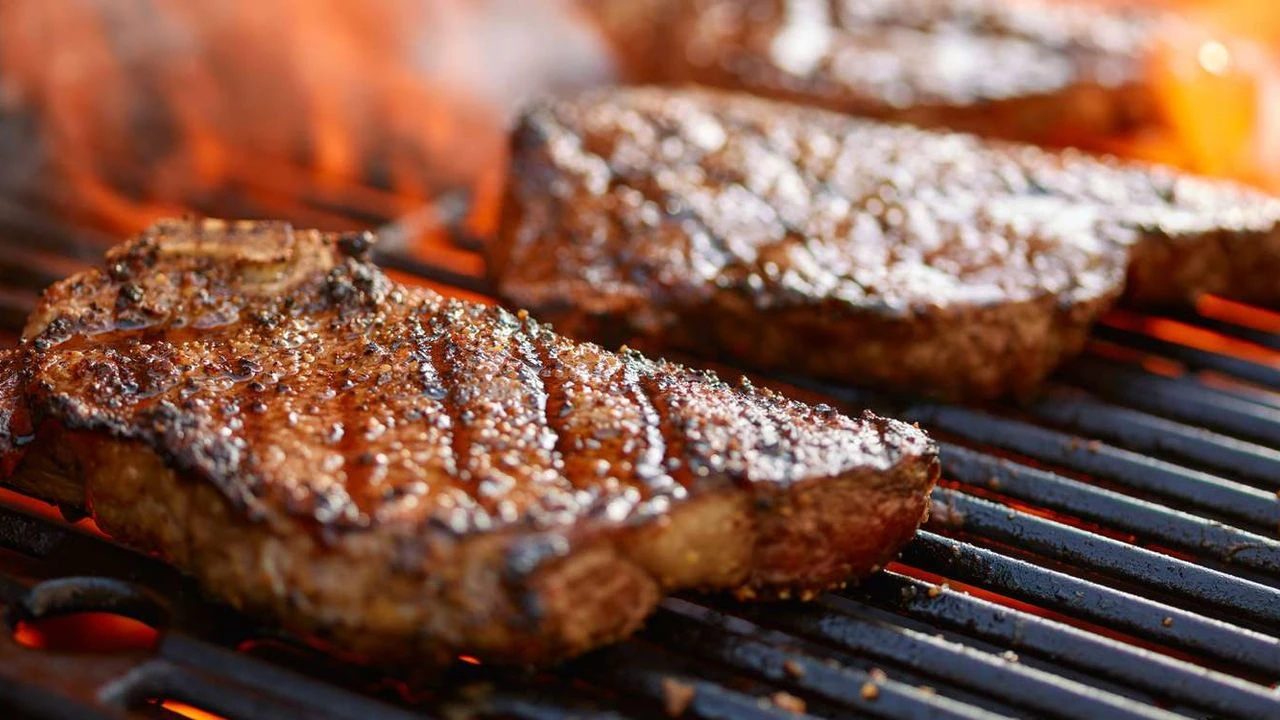
The dream of grilled meat is usually clear: meat hits fire, develops a beautiful crust outside, stays juicy inside. Knife glides through, fork meets little resistance. But in practice, outcome is often different. Meat is cooked, flavor is okay, yet expected tenderness never fully arrives. Not raw, not burned, but “just a bit tough.” That small gap can turn grilling from joy to disappointment.
Meat turning tough on the grill is rarely one single mistake. Usually, several small errors stack up, and what should be melt-in-mouth becomes stubborn.
Meat May Be Destined to Toughen Before It Reaches the Grill
Toughness usually does not begin on fire. It is often decided before the grill. One common mistake is cooking extremely fresh meat immediately. “The fresher, the better” sounds logical, but not always true. Newly cut meat fibers are still tense. Under high heat they contract harder, so meat can firm up instead of relaxing.
Rested meat is different. Fibers have relaxed, moisture balance has settled. So it behaves more cooperatively under heat. One reason restaurant meat often feels softer than home-grilled meat is this resting phase.
Putting Fridge-Cold Meat Directly on Fire Is Risky
Another frequent mistake is grilling meat straight from cold storage. Fridge-cold meat hitting hot grill experiences thermal shock. Cold fibers tighten rapidly on contact, pushing internal moisture out. Result: tougher texture.
If meat warms slightly toward room temperature before grilling, this sudden contraction decreases. Cooking becomes more even and moisture retention improves. This small waiting step can change results significantly.
Stronger Fire Is Not Always Better
Grill heat is often misunderstood. Very intense flame feels reassuring to many: “I’ll sear fast and lock juices in.” But extreme heat punishes, especially with thinner cuts. Surface colors quickly while interior can tighten.
On the other hand, very low heat is not solution either. Meat cooks too long and slowly loses moisture. In grilling, the key is balance. Heat adjusted to cut type and thickness is more valuable than maximum fire.
Overhandling Meat Makes It Defend Itself
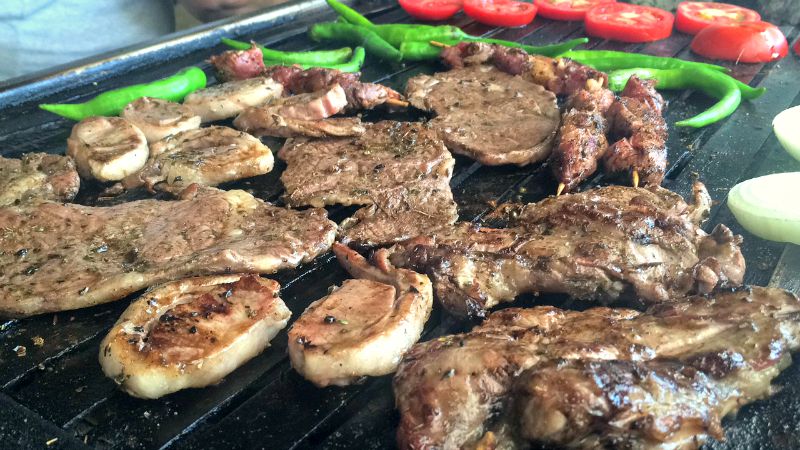
One major self-sabotage on grills is excessive intervention: flipping constantly, checking repeatedly, pressing down. Pressing is effectively squeezing juices out on purpose. Then comes the surprise: “Why did it dry out?”
Meat likes some space to cook. Flip at the right moment, avoid unnecessary touching. Impatience is one of the shortest roads to toughness.
Salt and Marinade Are Not Automatic Rescue Tools
Salt timing affects texture. Salt draws moisture. If meat is salted too early and left long, it can lose water before it even touches grill, increasing drying risk.
Marinade is not always magic either. Acidic marinades can soften surface, but over-marinating may damage fiber structure and produce rubbery texture. Correct marinade duration helps; excess can backfire.
Related read: Butcher Meat or Supermarket Meat??
Rushing After Grilling Creates Big Loss
Process does not end the second meat leaves grill, though many treat it that way. If cut immediately, hot internal juices run onto plate and meat dries quickly. A few minutes of resting redistributes moisture back into fibers.
That short rest is often the final touch deciding whether meat is perceived as tough or tender. Skip it, and much of your effort can disappear.
Making melt-in-mouth grilled meat does not require secret tricks. Don’t fight the meat, don’t rush, and read the process. Meat gives small signals about what it needs. Once you pay attention, you realize toughness is usually not inevitable.