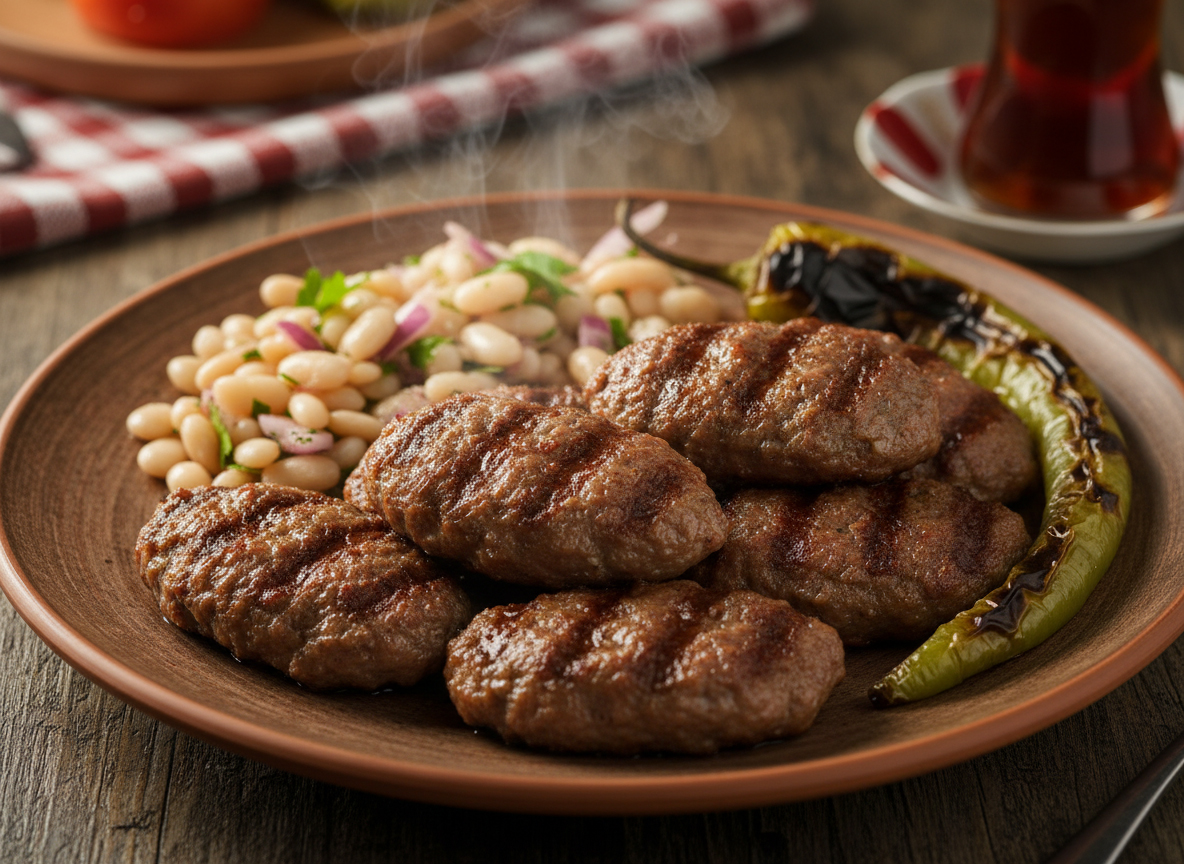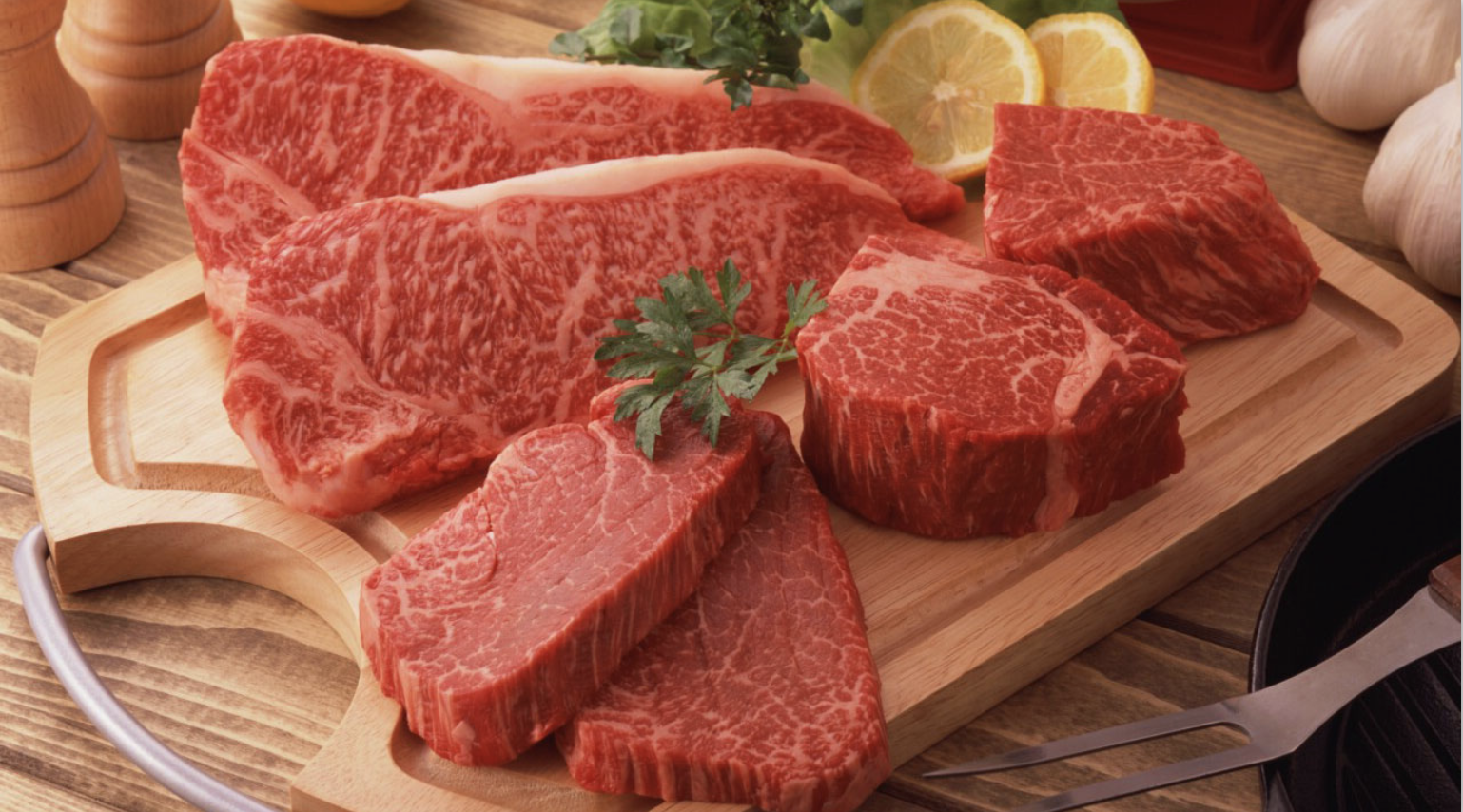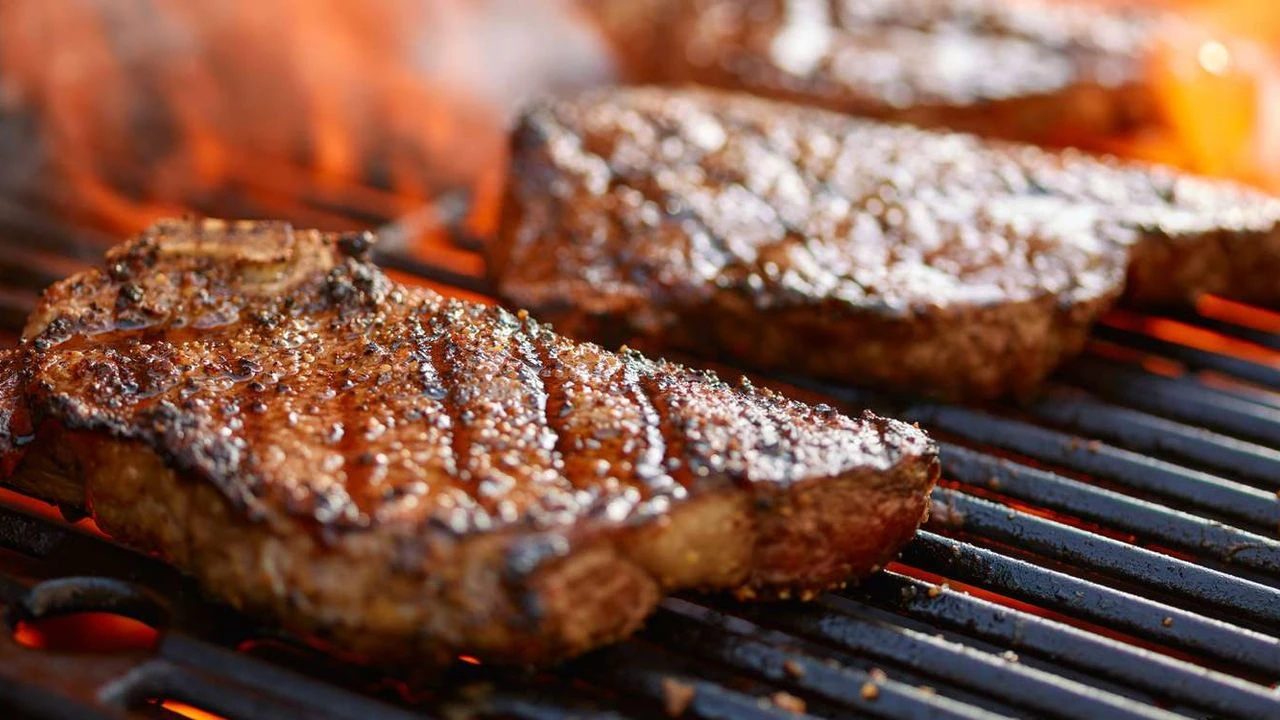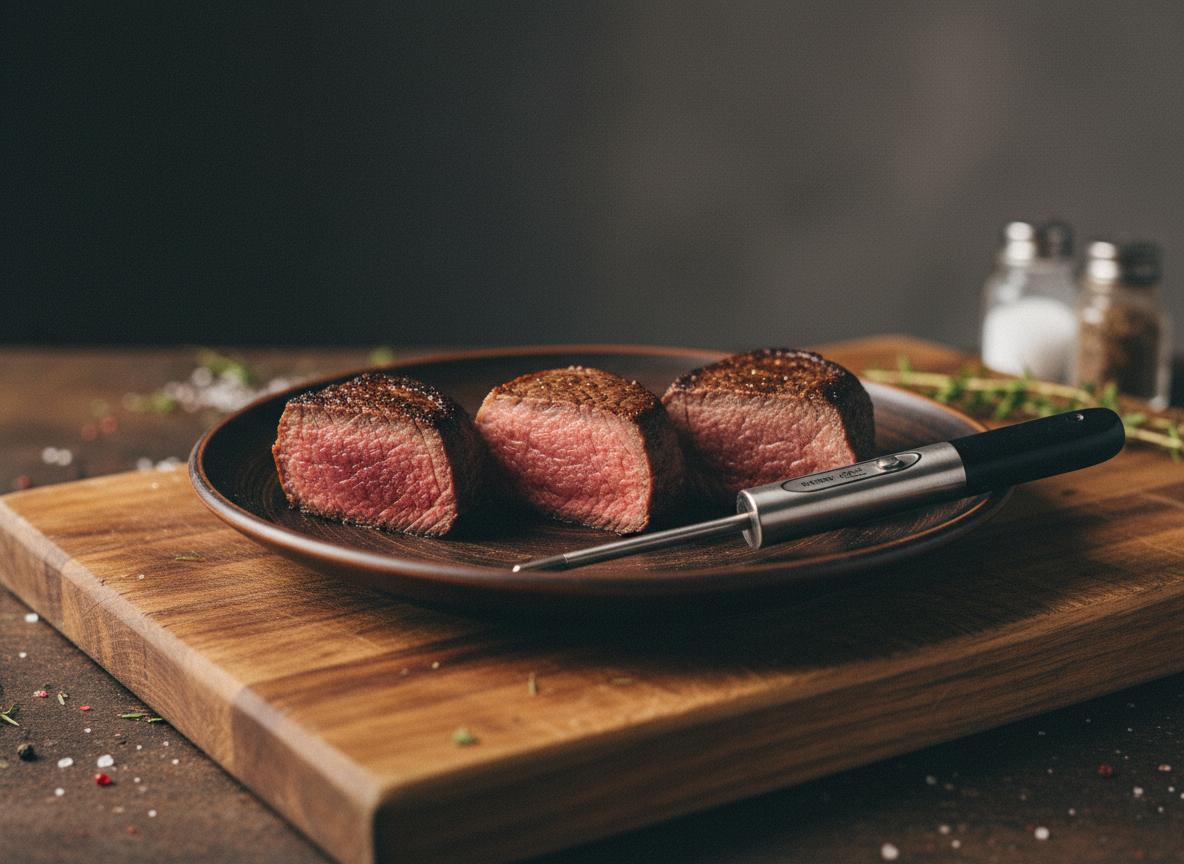


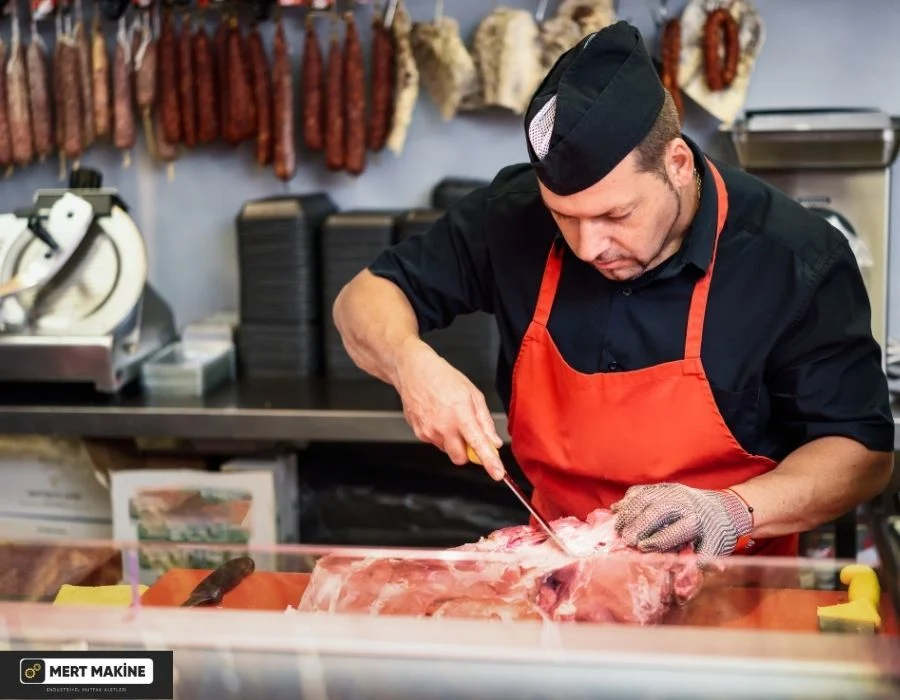
When the topic is buying meat, people usually split into two camps. One says “never buy meat anywhere except a butcher.” The other says “there is no difference between butcher and supermarket; it all comes from the same source.” This debate has lasted for years, but often stays shallow. Because the real issue is not only where meat is bought, but which path it follows until it reaches your plate.
Even at first glance, there is a felt difference between packaged supermarket meat and meat on a butcher’s counter. One is standardized, controlled, consistent. The other is more alive, more personal, and somewhat uncertain. That uncertainty can scare some people, and open the door to flavor for others.
Same Animal, Different Story
In many cases, butcher meat and supermarket meat can come from the same animal. But after cutting, their journeys may diverge completely. Supermarket meat usually enters a fast cycle: cutting, portioning, packaging, shelf placement with cold-chain logistics. The objective is clear: maintain shelf stability and provide standardized output everywhere.
Butcher meat usually travels through a shorter but more hands-on route. It may undergo less processing, receive more air contact, and rest longer. This affects texture and cooking behavior. So difference is often less about the animal itself and more about how the meat is handled.
Why Does Supermarket Meat Feel Safer?
Supermarket meat is criticized, sometimes unfairly. Its strongest advantage is control and standardization. Expiration date is clear, weight is fixed, price is predictable. Hygiene and cold chain are usually applied strictly. In larger chains, source and storage conditions are documented.
Supermarket meat also often looks very fresh. Bright red color, regular cuts, vacuum packaging create a “low-risk” feeling. For people not used to cooking meat often, this is major comfort: predictable buying, lower perceived uncertainty.
But this safety can have a small tradeoff. Supermarket meat is often too fresh – not fully rested yet. That can cause excess water release and tougher bite after cooking. It often asks for “wait a bit” rather than “cook immediately.”
Why Is Butcher Meat Often More Attractive?
Butcher meat is usually darker in tone. This may worry people at first, but often indicates resting. Rested meat behaves more predictably during cooking: less water release, easier fiber separation, softer mouthfeel.
There is also a human layer: relationship with the butcher. You say “this is for grilling,” they choose accordingly. You say “not too fatty,” they trim accordingly. A few practical cooking tips are shared. These are not printed on package labels, but they affect your plate.
Butcher meat has more character. Not every piece is identical. That can look like risk, but it is also part of where flavor comes from.
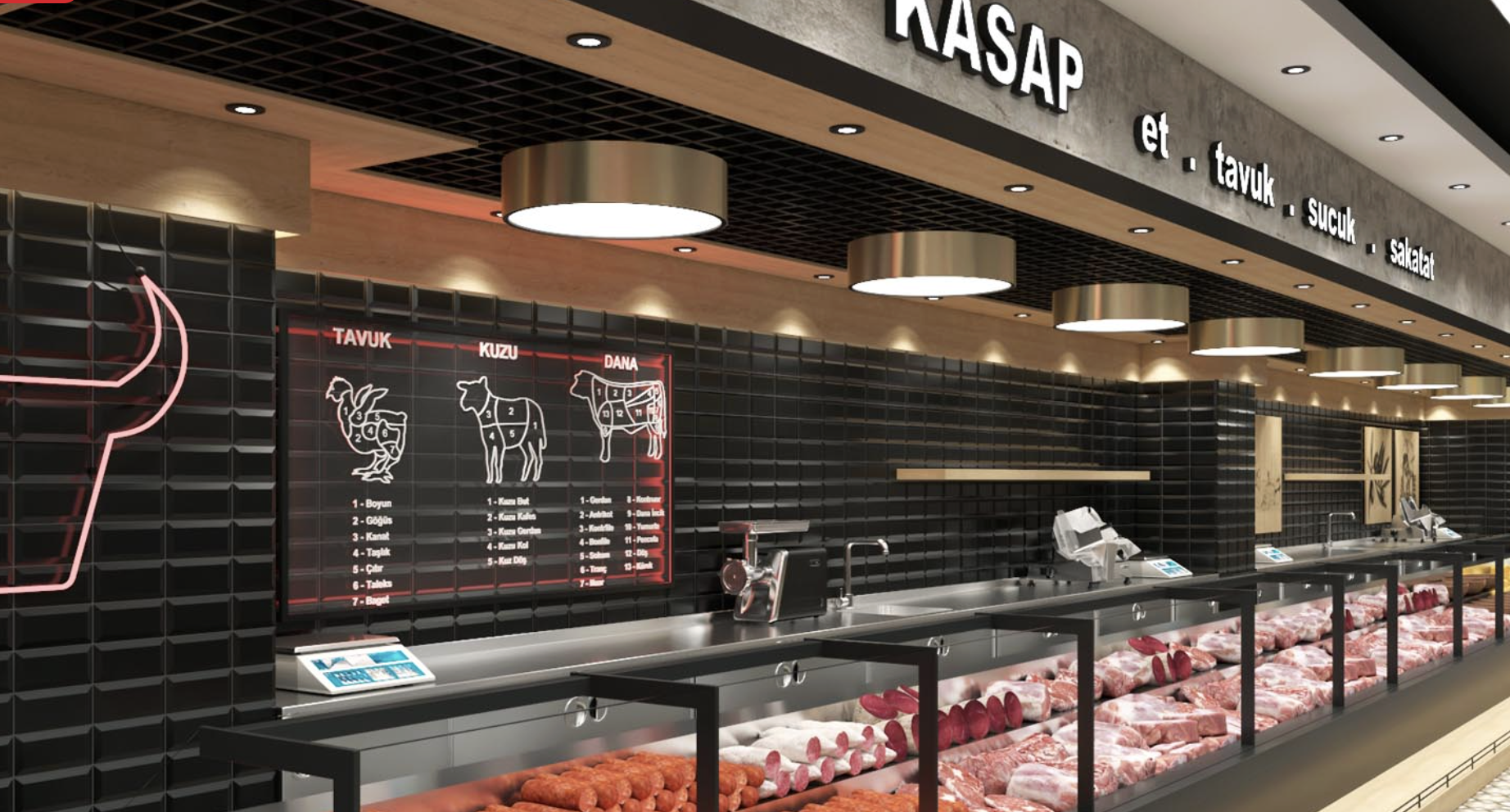
Why Does the Difference Become Clearer at Home?
In home kitchens, contrast becomes more visible. Supermarket meat is usually cooked the same day. Once package opens, people hesitate to wait. But butcher meat is often rested one more day in the fridge. That alone can change outcome substantially.
This is one reason butcher meat often performs better: it is already partly matured and completes resting at home. Supermarket meat can hit the pan before it is truly ready.
Is the Flavor Difference Exaggerated?
Honest answer: yes and no. Butcher meat is not always dramatically better than supermarket meat. Good supermarket meat, if properly rested and cooked correctly, can be very satisfying. Likewise, poorly stored butcher meat can disappoint.
Still, as a broad trend, butcher meat often gives deeper flavor. Kitchen aroma during cooking feels fuller. Bite breaks more naturally. Supermarket meat is more neutral: reliable, error-tolerant, but less surprising.
Is Every Butcher Reliable?
Important note: no. Not every butcher is good. Some keep meat exposed too long, neglect hygiene, or use color tricks. On the other side, not every supermarket is soulless. Some markets manage sourcing and storage more carefully than many butchers.
So this is less about signboard type and more about operational mindset: handling, storage, and presentation quality. Meat performs best where it receives care.
Related topic you asked for: Spoiled vs Rested Meat
Beyond “Butcher or Supermarket,” the Better Question Is: What Do You Need?
There is no absolute winner in butcher vs supermarket debate. If you need speed, convenience, and standardization, supermarket meat can work well. If you want stronger flavor character and a more personal meat relationship, butcher meat often moves one step ahead.
Real difference starts after purchase: how you rest it, how you cook it, what you expect from it. Good meat speaks not only through where it was bought, but through how it was treated.
On your next shopping trip, look beyond price tag and listen to meat’s story. Sometimes plate flavor comes not from distance between butcher and market, but from your own relationship with the meat.
My usual preference is neighborhood butcher, but sometimes I also use this source.