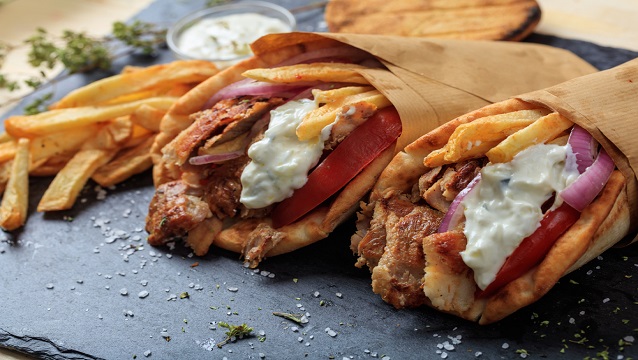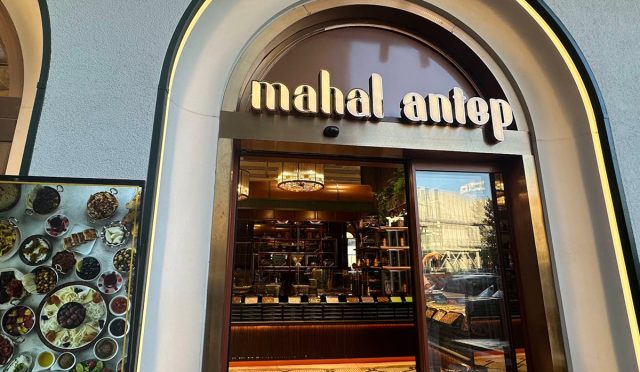


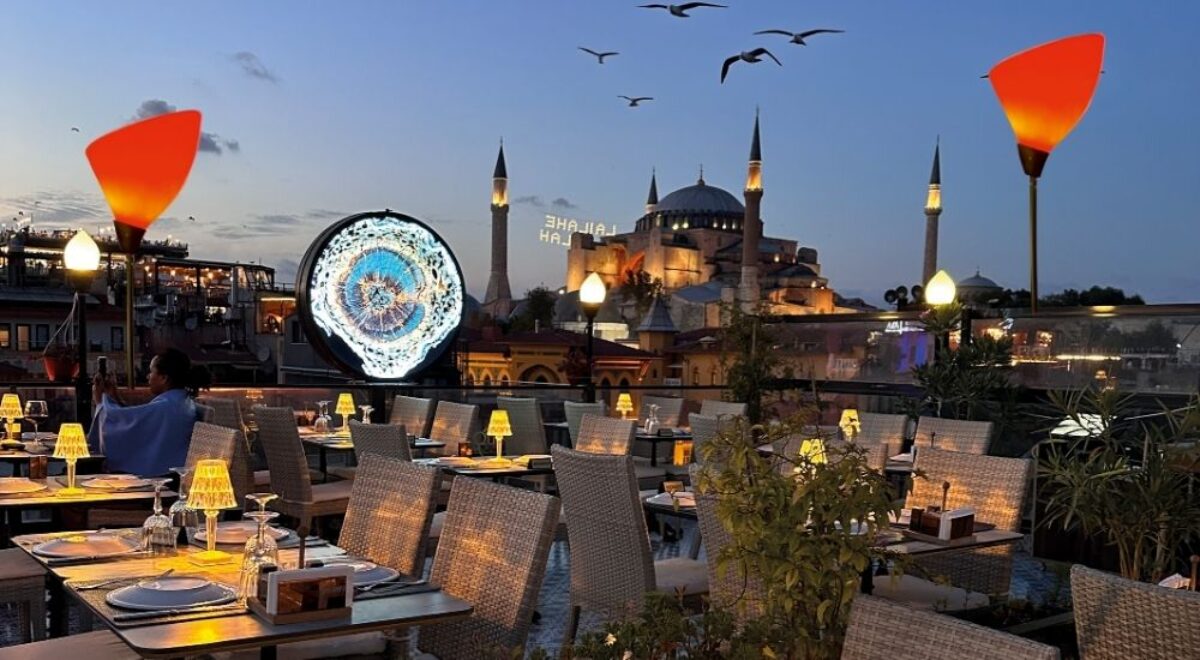
You are in a new city. You are hungry. You open the map and check nearby restaurants. Bright photos, high ratings, glowing signs. You walk in, and after a while that familiar feeling appears: “This place could have been anywhere, not this city.”
That is exactly where the difference between a tourist restaurant and a real local spot starts becoming visible.
In this article, we will talk through 7 sharp differences between these two types. But let’s be clear from the start: the goal is not to attack tourist restaurants. They also have advantages. The real issue is your answer to one question: what are you actually looking for? A standardized, safe experience, or the real culinary language of that city?
Are Tourist Restaurants Always Bad? Let’s Break That Myth First
To be fair, tourist restaurants are not always bad. In some situations, they are a conscious choice. Menu language is often clear, hygiene standards are stable, and staff are used to diverse customer profiles. If you are in an unfamiliar city and do not want risk, a tourist restaurant can be a safe harbor.
But local places offer something different: less polished, more real. They carry the city’s rhythm, habits, and kitchen dialect. Knowing these differences makes it easier to choose what fits you.
1. Menu Language: Marketing in Tourist Places, Clarity in Local Ones
The first difference starts on the menu. A menu reveals a restaurant’s character.
Tourist restaurants usually have long menus. Pizza, pasta, burgers, kebab, seafood – everything is there. Descriptions are ambitious, wording is decorative. The menu tries more to persuade than to reflect kitchen focus.
Local spots usually keep menus simpler. Fewer but clearer items. Often “we serve what is fresh today.” As menu narrows, trust often rises, because focus suggests the kitchen is really good at specific dishes.
Why does this matter?
Overlong menus can dilute quality. Local spots often try to do fewer things better, and that focus reaches the plate.
2. Price-Portion Balance: Show or Satiety?
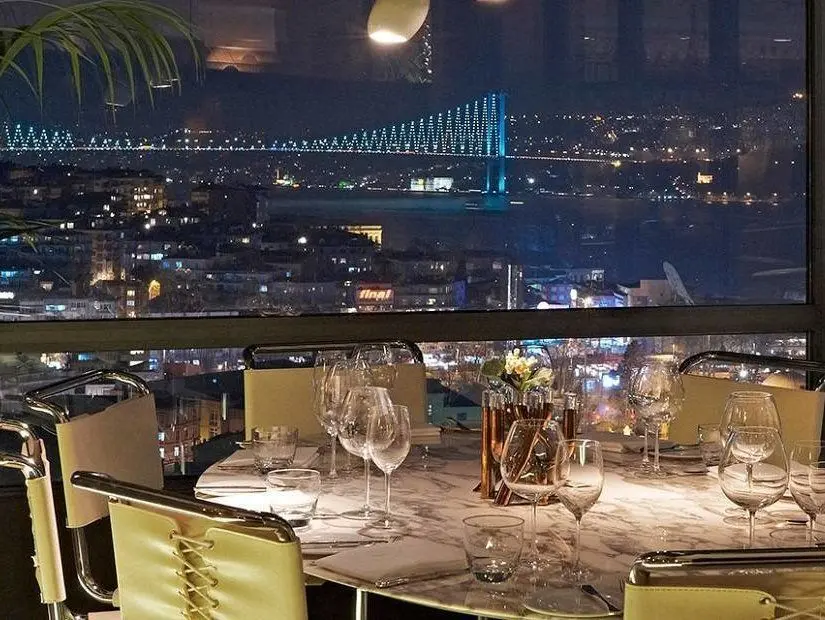
In tourist restaurants, your payment is not only for food. Location, view, and packaged experience are priced in too. So plates may look elegant but portions can stay small.
Local spots may present food more simply, but portions are often more substantial. You leave fuller, with less “was that all?” feeling when the bill comes.
This difference becomes clearer on multi-day trips. Paying tourist-level pricing every meal can become tiring. Local places often manage budget-satiety balance better.
3. Customer Profile: First-Timers or Regulars?
Watching tables tells a lot.
In tourist restaurants, many guests are there for the first time. They spend longer with menus, take photos, ask more questions. Totally normal.
In local places, you see regulars. People sit quickly, order quickly. Short eye contact with staff is enough. Sometimes you hear “the usual.”
Why is this a strong signal?
Because repeat behavior usually means something works right. Not a guarantee, but a strong clue.
4. Flavor Character: Average Taste or City Identity?
Tourist restaurants often target a middle palate that pleases everyone. Spice is softened, risk is reduced, intensity is controlled. Goal is avoiding offense.
Local places usually carry stronger character. Real spice levels, real cooking style, local habits appear in the plate. This can feel sharper, but also more memorable.
A local dish may not be perfect, but it gives this feeling: “This city tastes like this.”
5. Service Style: Procedure or Natural Flow?
Tourist restaurants are often procedure-driven. Staff may use standardized lines, service steps are clear. This order gives safety but can create distance.
In local spots, service is more fluid. Sometimes very fast, sometimes slower during rush. But usually more practical and warmer. Less unnecessary ceremony.
Expectation management matters here. Going to a local spot expecting fine-dining choreography creates disappointment. Expecting intimate familiarity in a tourist venue may also be unrealistic.

6. Kitchen and Ingredient Transparency: Is What You See What You Trust?
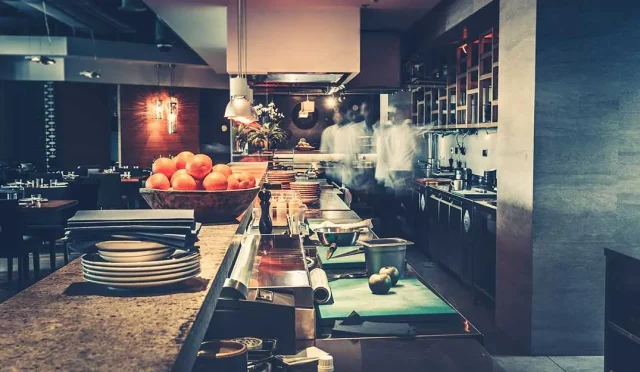
In local places, the kitchen is often more visible. You can see counter, grill, pots. Smell, movement, and tempo give direct clues.
In tourist restaurants, kitchen is more often hidden. Menu explains, but kitchen stays unseen. That can create question marks about freshness.
Seeing increases trust, especially in first-time visits. This is why decisions can feel easier in local spots.
7. Reviews and Ratings: Inflation or Reality?
Tourist restaurants are more likely to collect high volumes of reviews due to constant visitor turnover. “Would you leave a review?” reminders are common. Ratings may inflate at times.
Local spots may have fewer reviews and even lower scores, yet better food. Because local customers return by habit, not by rating systems.
So relying only on score can mislead. Reading the last 2-3 months of comments, checking user photos, and spotting repeated complaints is healthier.
Related read: Can you eat alone comfortably?
So Which One Should You Choose?
The real question is: What do you want that day?
If you want scenic, safe, and standardized experience, a tourist restaurant may be the right choice. If you want the city’s rhythm, authentic portions, and local kitchen voice, a local spot is usually more satisfying.
Try a small experiment on your next trip. Eat one meal at a tourist place and one at a local place on the same day. Then ask yourself: “What am I really searching for?”
The answer to that question makes all future restaurant choices easier.
For beautiful Istanbul restaurant options, see this list.