

The word “gourmet” often feels intimidating. Expensive restaurants, tiny portions, long menu names, and that mild panic when you see the bill. But the truth is different. Being gourmet is not about spending more; it is about knowing what you eat, distinguishing flavor quality, and making smart choices. It is about judgment, not budget.
Good food is possible with little money. In fact, some of the most unforgettable tastes appear in the most modest places. In this article, I’ll explain how to eat “like a gourmet” on a limited budget, where to look, what to avoid, and small habits that actually work. No grand claims. Just practical observations.
The Real Stage of Flavor: Side Streets and Street Food
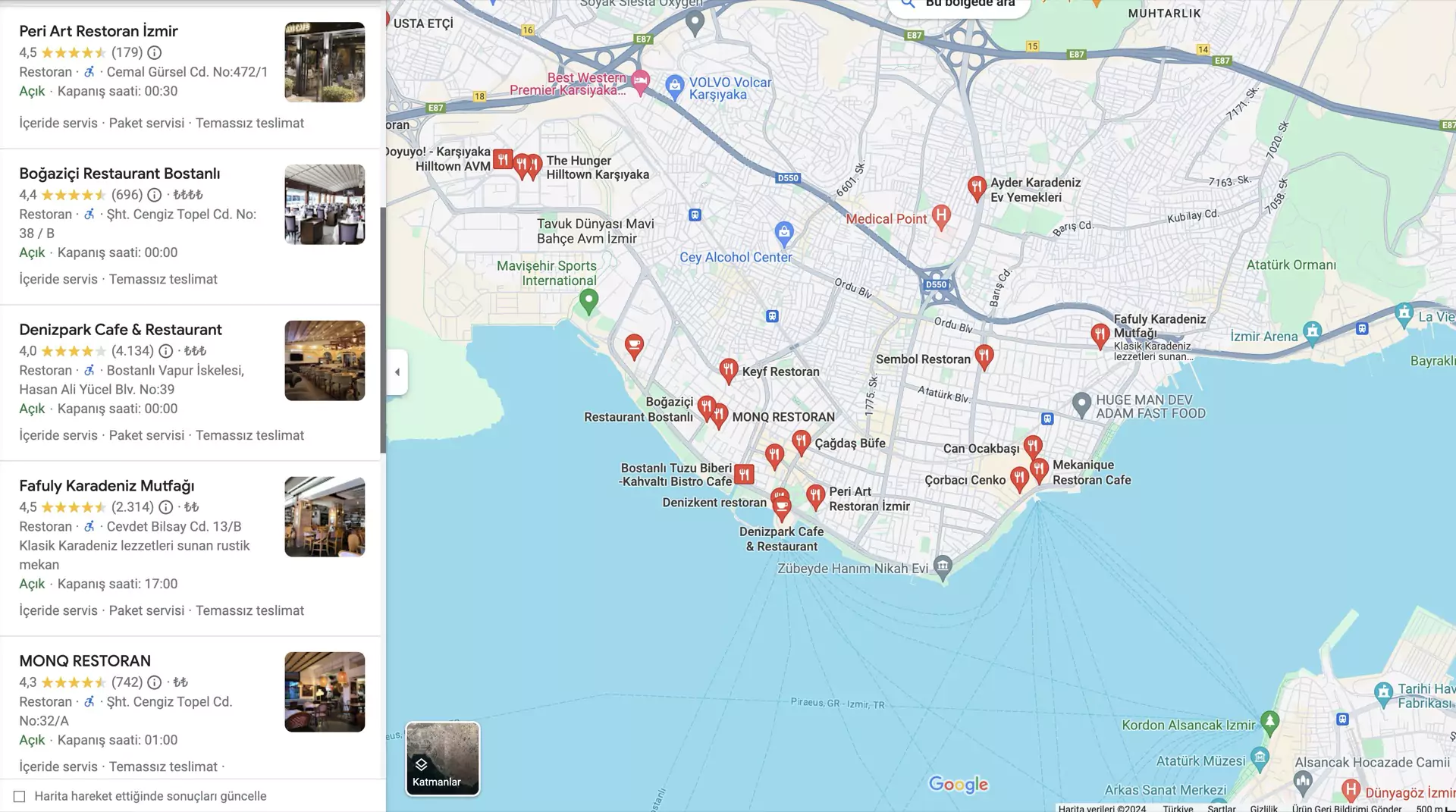
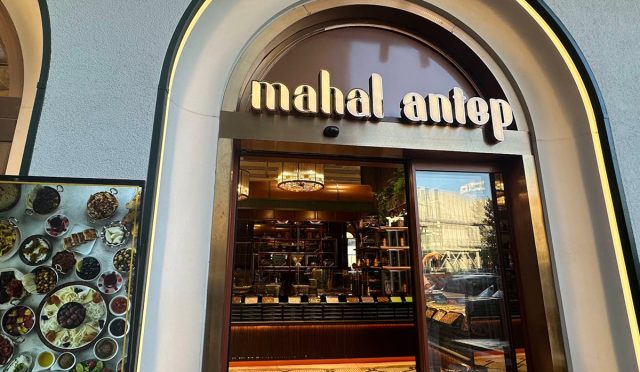
First truth to accept: real flavor is not always in stylish venues. Often, it is not there at all. Flavor’s real heart usually beats in neighborhood backstreets, small shops, places whose signs are barely noticeable.
Especially pay attention to places crowded in morning and lunch hours. Small eateries near hospitals, universities, or industrial areas are not full by accident. They serve the same customers every day. And regular customers do not forgive bad food. So soups, rice, and daily stews are usually clear and reliable. No exaggeration, fewer mistakes.
Street food is also a major part of this game. A good fish sandwich, properly balanced kokorec, carefully prepared stuffed mussels: these are flavors tested by time and still standing. They satisfy and are often more memorable than many restaurant dishes. Being gourmet includes appreciating this simplicity.
Know How to Read a Menu: Choose Smart, Not Just Expensive
When you sit in a place, treating the menu as only a price list is a big mistake. A menu reveals the venue’s character. Sections like “daily meal,” “home-style dishes,” and “lunch menu” usually contain the most honest flavors. Because these are made fresh, need turnover, and are genuinely cooked in the kitchen.
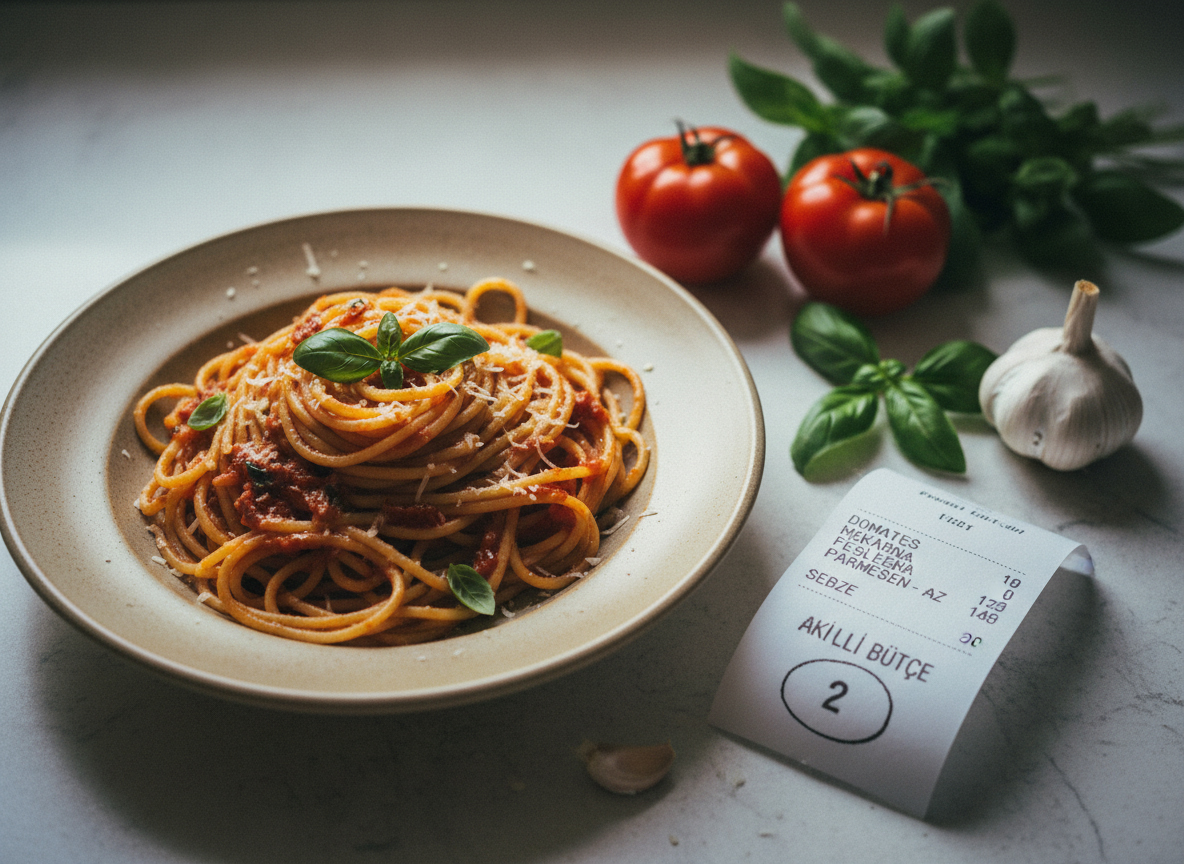
If main dishes are expensive, think in combinations. A soup + salad + small meze or pide can produce a more balanced and enjoyable meal. Instead of one big plate, you get variety. Variety also increases the gourmet feeling.
Another key detail is portion value. Sometimes an expensive plate is tiny; sometimes a budget plate feeds two. Looking at nearby tables and glancing at served portions helps. While reading online reviews, do not focus only on “delicious” comments; check portion-related feedback.

Season and Place Knowledge: Flavor Mathematics Rarely Fails
The core rule of flavor is simple: eat in season, eat in the right place. This protects both your palate and your wallet. Trying to eat summer tomatoes in winter is usually disappointing. Expensive and tasteless. But in winter, a good leek dish, lentil dish, or cauliflower dish can be both affordable and satisfying.
The same applies to eating out. If a menu offers everything in every season, pause and think. A narrower but sharper seasonal menu is usually a better sign. Ingredients are fresher and kitchen knows those products well.
Regional food logic matters too. Eating what a region does best is often the smartest move: kebab in Adana, pide in the Black Sea region, olive-oil dishes in the Aegean. In places where many restaurants cook the same local specialty, competition keeps quality from dropping. Moving a little away from tourist zones and choosing where locals eat usually pays off.
Social Media and Reviews: Keep Distance from Polished Recommendations
Looking at social media is now unavoidable. But selectivity is essential. Bright photos, decorative language, and “legendary” captions often do not reflect reality. Calmer and more neutral comments are usually more useful.
On Google, 3-4 star reviews are often more honest. Phrases like “tasty but service is slow” or “affordable but small venue” give clearer direction. No place is perfect for everyone. What matters is whether it matches your priorities.
Customer-taken photos also reveal a lot: real portions, real presentation, real plates. These are often more valuable than professional shots.
If lahmacun often disappoints you, this may help: Golden Rules of Lahmacun
Create Gourmet Feeling at Home with Small Touches
Part of living gourmet on a tight budget starts at home. With small knowledge, simple meals can become far more enjoyable. Good olive oil, properly cooked vegetables, a clean sauce. These are not expensive luxuries, but they create real difference.
Learning to recognize quality ingredients is also important. Good cheese, good bread, proper coffee. Once you start distinguishing these, your grocery shopping becomes smarter too. You realize some things you frequently pay for outside can be made cheaper and better at home.
Sometimes a simple but carefully cooked meal with friends at home is far more satisfying than an expensive restaurant dinner. Being gourmet is partly recognizing that difference.
Eating well with little money is possible. But it requires observation, not impulsive decisions. Flavor rarely shouts; it usually stands quietly. As you learn to notice it, both your budget and your food enjoyment improve. After a point, you stop asking “expensive or cheap?” and start asking “is it worth it?” That point is exactly where being gourmet begins.
For those asking what gourmet means, here is this video: