

Eating alone can sometimes feel like freedom, sometimes like mild discomfort. You sit at the table, the room is crowded, everyone seems to be talking with someone. You unconsciously scan around. A question appears in the back of your mind: “Do I look awkward?” The truth is simpler. Eating alone is one of the most normal moments of city life. It only feels hard when place and approach are wrong.
In this article, we discuss solo dining without romanticizing it and without dismissing it. Which venues feel more comfortable for one person, and which small habits make the experience genuinely enjoyable – all in practical terms.
Eating Alone Is Not a Deficiency, It Is a Choice
Starting from here matters. For many people, solo eating automatically triggers the idea of “loneliness.” But eating alone is not always being lonely. Sometimes it is a break between work blocks. Sometimes an escape from crowds. Sometimes simply the need to sit with yourself.
What makes it hard is usually overthinking how it looks from outside. The thought “Are people watching me?” is mostly inaccurate. People are generally focused on their own plate, phone, or conversation. Once this awareness settles, tension drops significantly.
Which Venue Types Feel Most Comfortable?
If you are eating alone, venue choice solves half the problem. Wrong place can unsettle even confident people. Right place makes solo dining almost invisible.
Traditional local eateries are very comfortable in this regard. Nobody is there to monitor others. People come, eat, leave. Solo dining is ordinary. Same for fast-service places like doner shops, soup houses, and wrap spots. Duration is short, social expectation is low.
Cafes and bistro-style spaces are also good for solo meals. With people working on laptops, reading, and using phones, sitting alone feels normal. Restaurants with bar seating offer another advantage: instead of feeling “alone at a table for two,” you get a natural counter posture.
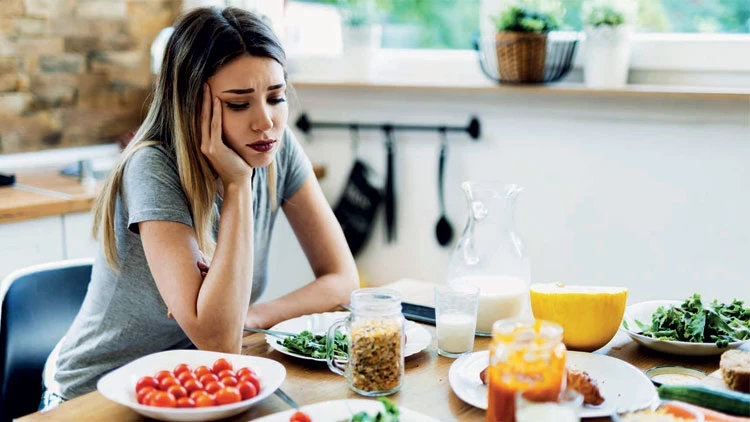
Where You Sit Matters More Than You Think
One small but effective comfort factor is seat position. Wall-side tables, corners, and window spots feel safer for many people. When there is less open space behind you, the urge to monitor surroundings drops.
This is not avoidance; it’s self-regulation. Especially if solo dining is new for you, choosing calmer spots instead of central tables softens the experience.
Managing Waiting Time Is Half the Meal
The hardest moment in solo dining is often not eating itself but waiting. Those few minutes after ordering can make your mind run unnecessarily. So planning waiting behavior in advance helps.
Checking your phone, reading a short piece, or reviewing your to-do list is enough. The goal is not distraction for its own sake, but reducing the empty-gap feeling. Once food arrives, attention naturally shifts back to the plate.
Keep First Orders Simple
In your first few solo dining attempts, complex orders can add unnecessary stress. Repeating details, asking many custom questions, or prolonged indecision can make you feel overexposed. Starting with familiar and clear options makes it easier.
Soup, salad, local daily dishes, and wraps are comfortable starting choices. As confidence grows, trying broader menu options comes naturally.
Timing and Duration Control Improves Comfort
Peak hours can feel more challenging for some people. Choosing off-peak times instead of the busiest lunch or dinner windows is often a good starting strategy. Venue is calmer, pace is slower.
There is also duration control. Solo dining does not mean sitting long by default. Setting a small target like “20 minutes” can reduce pressure. If you enjoy it, you stay longer. If not, you leave. Control stays with you.
Can a raki-fish table work solo too??
Eating Alone Is a Quiet Agreement with Yourself
The art of eating alone is not something to overdramatize. In the right place and with the right expectation, it becomes very natural. Local eateries, cafes, fast-service venues, and bar seating are usually the most comfortable options. Choosing seat location well, planning waiting moments, and avoiding overlong sessions are key practical points.
At your next solo meal, make yourself one small promise: choose a comfortable venue, place a simple order, and don’t rush. After a while you’ll notice this: nobody is watching you, nobody is judging you. You are simply eating. And sometimes the most peaceful conversation is the silent one you have with yourself at the table.
Also worth saying: sometimes solitude can be good, friends…