


You go to a restaurant. Food is good, service is decent. The bill arrives. Just as you are about to leave, the classic question appears: “Should I leave a tip, and how much?” That is the hard part. Because everyone has a different opinion. Some say “always tip,” others say “they already charge service.” In some places there is an atmosphere that seems to expect tips, while in others nobody even cares.
The worst part is that this uncertainty can ruin your mood. But tipping does not need to be this stressful. If you understand the logic, you can acknowledge labor without feeling forced or uncomfortable.
What Is the Real Meaning of a Tip?
A tip is not an obligation. It should not be treated like a legal rule or hard unwritten duty. Fundamentally, it is a voluntary thank-you for good service. It carries less “the food was good” and more “you did your job well.”
This distinction matters. If tipping turns into an automatic reflex, it loses meaning. Leaving tips for poor service only out of habit sends the wrong signal. Ignoring excellent service with “nobody tips anyway” is also unfair to effort.
A tip given at the right place and right level makes both sides more comfortable and keeps gratitude genuine.
Why Is Tipping So Confusing?
There are several reasons. First, expectations differ by venue type. In a small cafe tipping is barely discussed, while in some restaurants there is a silent expectation. Add service charge into the picture, and it gets even less clear.
In the past, leaving change was common. Today most people pay by card and carry less cash. Card-based tipping options differ by business. Then people start feeling “Am I doing this wrong?”
The actual solution is simple: decide by venue type.
If Service Charge Exists, Is Extra Tip Required?
This is the most mixed-up point. Service charge and tip are not the same. Service charge is an automatic line added by the venue. Tip is fully voluntary.
If service charge is already on the bill, extra tipping is not mandatory. You do not need to feel indebted. If service was exceptionally good, you can still leave a small extra if you want. That is purely personal preference.
The key is not to feel like you are paying twice for the same thing.
Cafes and Self-Service Places
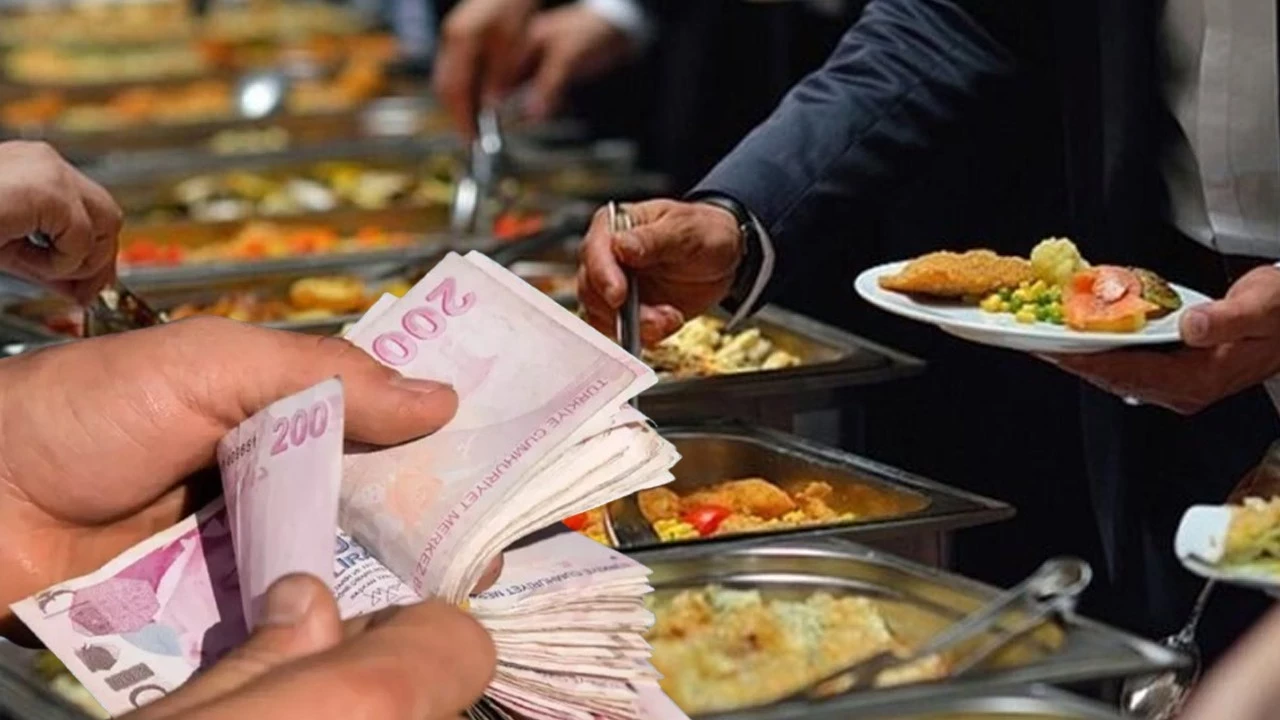
Tipping in cafes is one of the most common hesitation areas, especially in self-service settings. If you order at the cashier and carry items yourself, tip expectation is generally lower.
In this type of place, tipping is not obligatory. Usually change-over or symbolic small amounts are sufficient. If the barista is attentive and the venue is clean and organized, a small gesture can be nice. But if you don’t leave one, you should not feel guilty.

Traditional Local Eateries and Small Businesses
In tradesman-style eateries, tipping culture is simpler. People usually leave a small amount on the table or say “keep the change.” Nobody calculates exact percentages.
In such places, intention matters more than amount. Teams are smaller, labor is more visible. Even a modest tip or sincere thank-you is genuinely valued.
Mid-Range Restaurants and Fine Dining
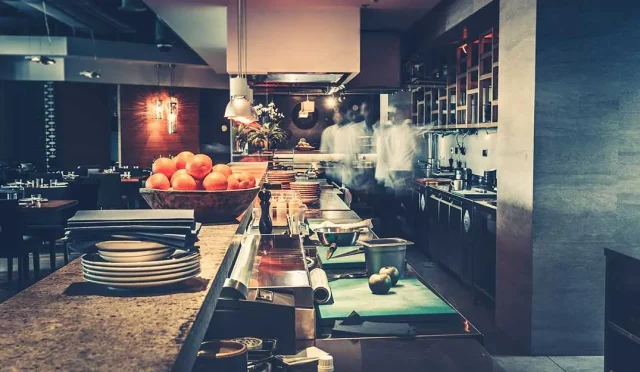
In full table-service restaurants where staff actively follows your table, tipping becomes more meaningful. Order follow-up, kitchen coordination, service timing, and overall attention are parts of service quality.
In these venues, people usually consider a reasonable percentage of the bill. If service is standard, lower; if excellent, slightly higher. In fine dining, where service is more detailed (menu explanation, timing precision, table management), tip expectation is often more explicit.
Still, service remains the core criterion. A large bill does not automatically require a high tip.
Delivery Orders and Couriers
Tipping in delivery works a bit differently. Here, tips often act as small but regular support. Distance, weather, and peak-hour intensity can influence your decision.
A small tip during rain, cold, or busy periods can make a real difference, because delivery is direct physical effort plus time.
Related topic: What to consider when opening a restaurant?
What If You Don’t Want to Tip?
Not everyone has the same budget. Not tipping is not shameful. There are other ways to appreciate effort: saying a genuine thank-you, giving kind feedback, or leaving an honest Google review. Especially for small businesses, these matter a lot.
Sometimes the strongest support is returning again and recommending the place.
When you see tipping not as pressure but as conscious appreciation, it becomes easy. First check whether service charge exists. Then evaluate service quality. Finally decide based on your budget and comfort. Because the goal of tipping is not to stress you, but to recognize labor.