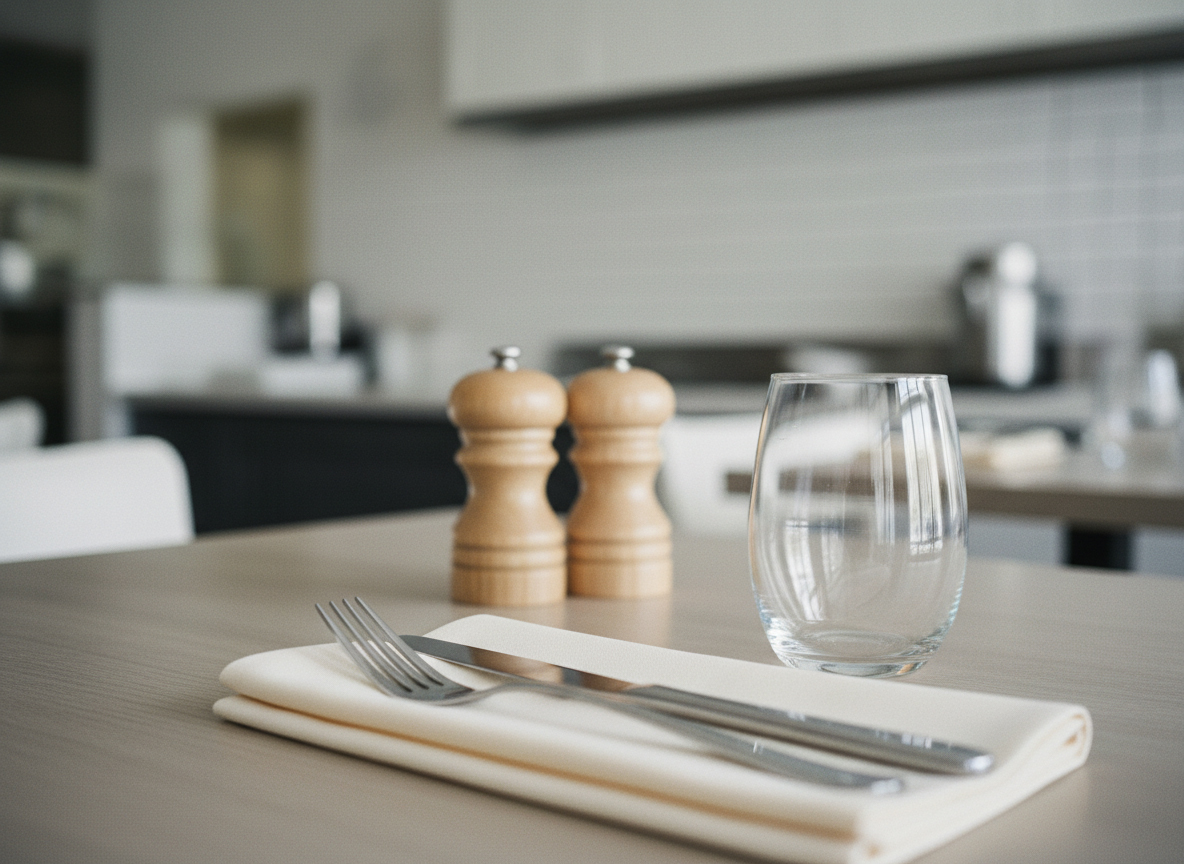


When you sit at a place, most people instinctively grab the menu first. But sometimes, before the menu even arrives, the table is already telling you a story. Salt, black pepper, chili flakes, sumac… maybe mint or cumin in a corner. Those small details reveal more than expected about how a venue relates to flavor. Table spices are like a quiet but honest shop window: they don’t speak, but they reveal a lot to those who know where to look.
Spice quality is largely a mindset issue. Good meat and good produce depend on sourcing and budget. Spice discipline depends on care. You can say “nobody notices” and ignore it, or you can assume guests notice consciously or unconsciously and stay meticulous. Places choosing the second path usually run tighter kitchens too. Teams that care about details make fewer major mistakes.
Where Should Your First Look Go at the Table?
First move is not tasting spices immediately. Start with containers. Are exteriors oily? Do lids close properly? Are spoons wet? These seem tiny, but expose cleanliness discipline. If spice containers are dirty, probability of immaculate kitchen drops. Not absolute proof, but a strong signal. What is placed on table is prepared with “customer sees this” awareness.
What Do Chili Flakes Tell You?
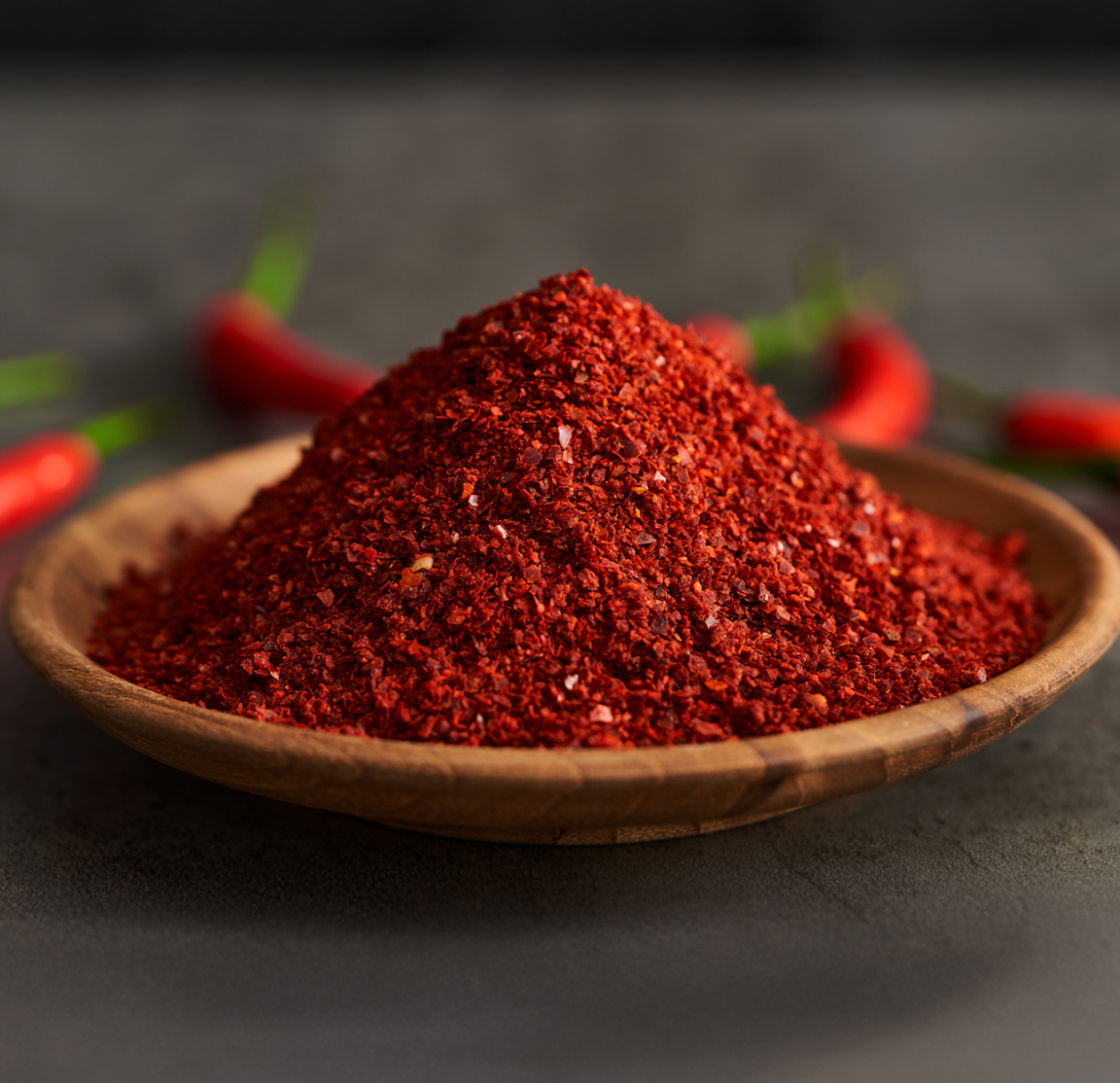
Chili flakes are table identity in kebab houses, lahmacun spots, and local eateries. But chili flakes are not only heat. Color, aroma, and mouthfeel must be read together. First, check color. Lively red is often a positive sign, but overly glossy, almost painted-looking surfaces can be suspicious. Faded brownish flakes usually whisper staleness.
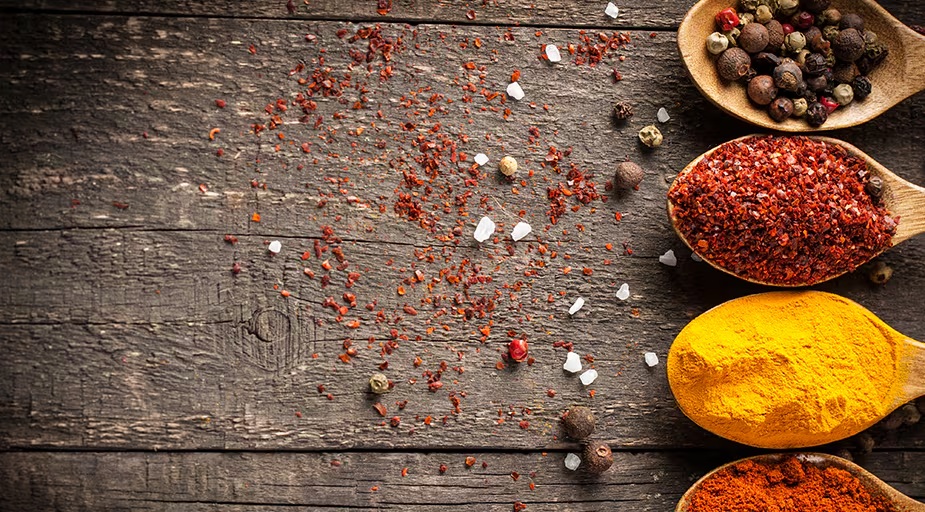
Aroma is where chili flakes speak fastest. You don’t need to bury your nose in the jar. A tiny amount on spoon tip is enough. Good chili flakes give clear pepper aroma, sometimes slightly fruity and lively. Stale chili flakes either smell dusty or almost smell of nothing. In poor cases, a stale-oil note appears and appetite drops instantly.
Texture is another clue. It should not feel like lifeless dry dust. Natural oils carry flavor. But this should appear as natural liveliness, not artificial shine. Flakes that crumble into dead powder often mean long waiting time or poor raw quality.
The real distinction appears in heat behavior. High-quality flakes spread heat across the palate while still carrying flavor. Low-quality heat strikes the throat directly and leaves little taste. Some places think louder heat means better quality; often it means flavor has gone silent.
The Quiet but Strong Language of Sumac
Sumac is often taken less seriously than chili flakes, but it is very powerful for venue reading. Good sumac is sour, but the sourness feels clean and refreshing. Color should lean to purplish-red tones. Very brown, matte, lifeless sumac often indicates age. Structure matters too. Over-fine flour-like sumac may be overprocessed or mixed. Slightly granular texture usually feels more natural.
Acidity is sumac’s core character. A tiny touch on the tip of tongue is enough. Good sumac leaves clean sourness. Metallic, bitter, or artificial notes indicate potential quality issues. In low-grade products, acidity may be artificially forced, and the tongue detects this quickly.
Then there is moisture behavior. Sumac clumps when it absorbs humidity. If you see constant clumping in container, it likely stayed open too long. That reveals storage habits. A business that stores spices poorly may carry similar “good enough” attitude with other ingredients too.
What If There Are No Table Spices?
Some venues do not place spices on tables, especially modern or concept-driven ones. That alone is not negative. You can still test care: ask staff for chili flakes or sumac. How fast does it arrive? How is it presented? Packaged or open? Even this sequence reflects operation mindset.
Small Detail, Big Picture
Table spices answer one question: does this venue embrace detail, or avoid it? If chili flakes are lively and balanced, sumac is fresh and cleanly sour, and containers are clean, similar care likely exists in kitchen. If spices are stale and holders dirty, detail discipline may be weak.
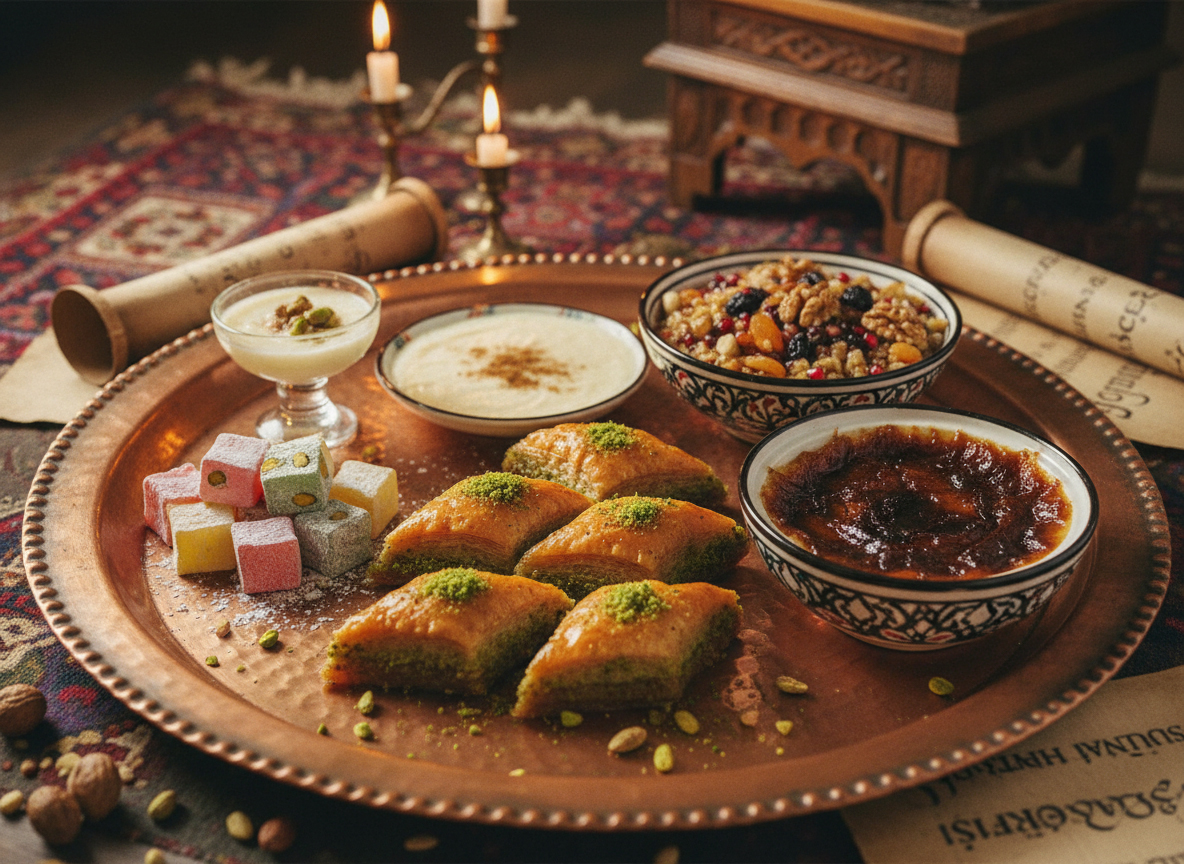
Related read: Ottoman Dessert World
Try a small game at your next meal out. Before ordering, spend 20 seconds looking at table spices. While eating, ask yourself: “Does the plate match the story the spices told?” Over time you’ll notice you start decoding venues right after sitting down. Because sometimes the clearest review comes from the smallest detail.