

When you eat meat outside, you sometimes see this: the menu says the same “tenderloin,” but one is melt-in-your-mouth and the other is rubbery. Or you make meatballs at home: flavor is nice, but texture is dry. The blame is usually placed on one thing: “I cooked it wrong.” In reality, half the job is not cooking, it is choosing the right cut. The other half is setting the doneness correctly.
In this article, we will explain what meat doneness levels mean and which meats perform better in which dishes, in plain language. No unnecessary technical overload, just a guide that actually helps.
What is doneness? It is about internal temperature
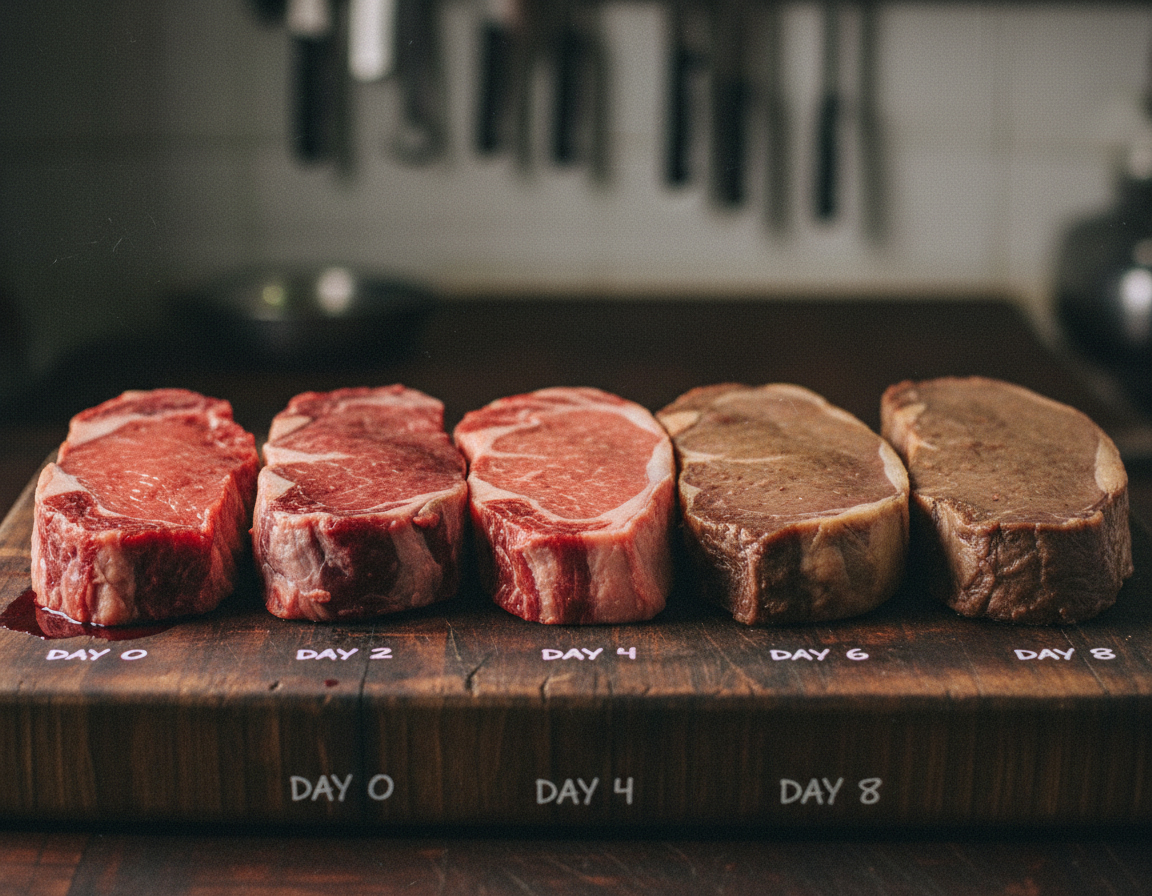
To frame this right, let’s start with the core logic. Doneness is less about how brown the outside looks and more about how cooked the inside is. The center can be undercooked, medium, or fully cooked. That changes both flavor and texture.
One transition matters here: doneness does not mean the same thing for every type of meat. Beef steak and chicken cannot be “rare” in the same way. So we will split this guide into two groups: red meat and white meat.
Why does this matter?
Because the right doneness keeps juices inside. The wrong level dries the meat out. In other words, most flavor loss starts at the “too little vs too much” cooking decision.
Red meat doneness levels: know what to expect
Now let’s move to red meat. Keep this in mind: doneness levels are discussed most often for steak-style cuts. Meatballs, ground meat, and long-cooked dishes follow different dynamics. We’ll get to those shortly.
Rare, medium, well done: simple explanation
Rare: center is redder and juicier.
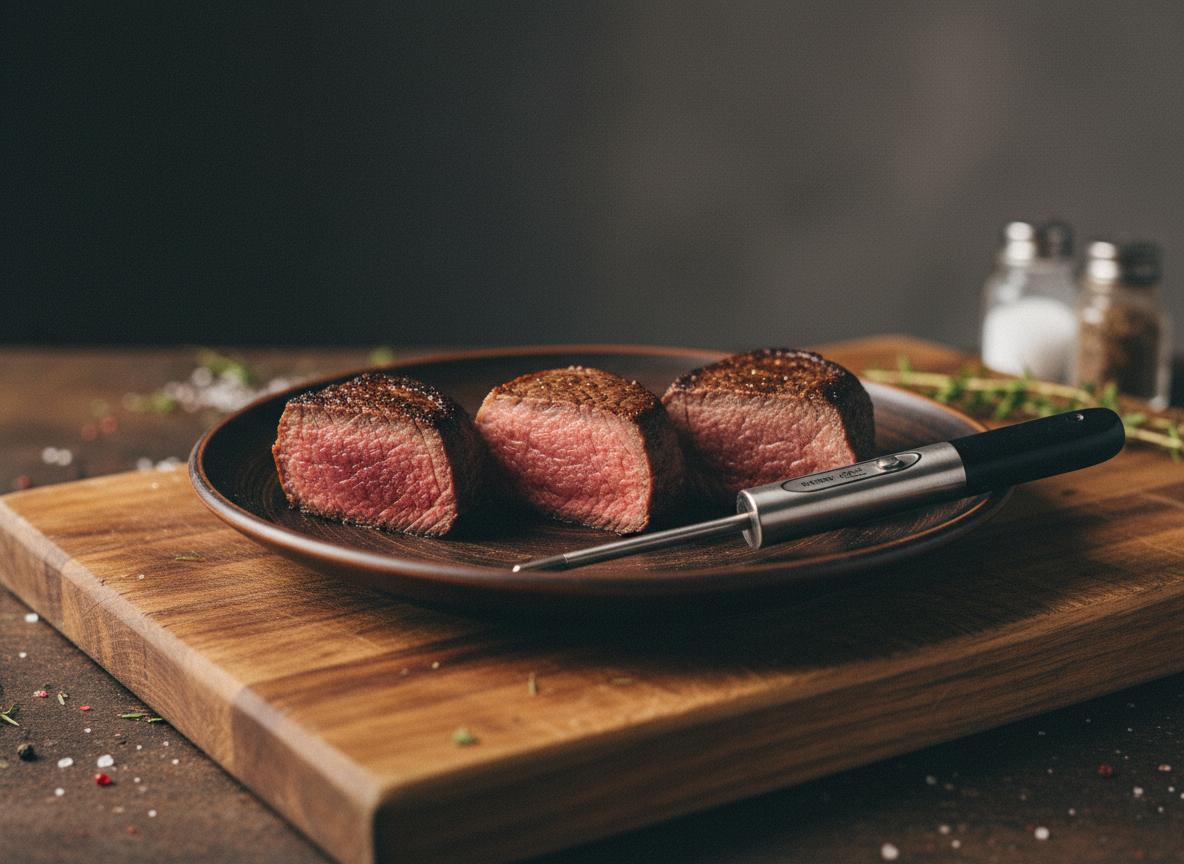
Medium: center is pink, outside is well-seared.
Well done: center is fully cooked, moisture level is lower.
At this point, one note: taste differs from person to person. There is no universal rule like “medium is always best.” But there is logic in matching the right doneness to the right dish.
Which doneness suits which dish?
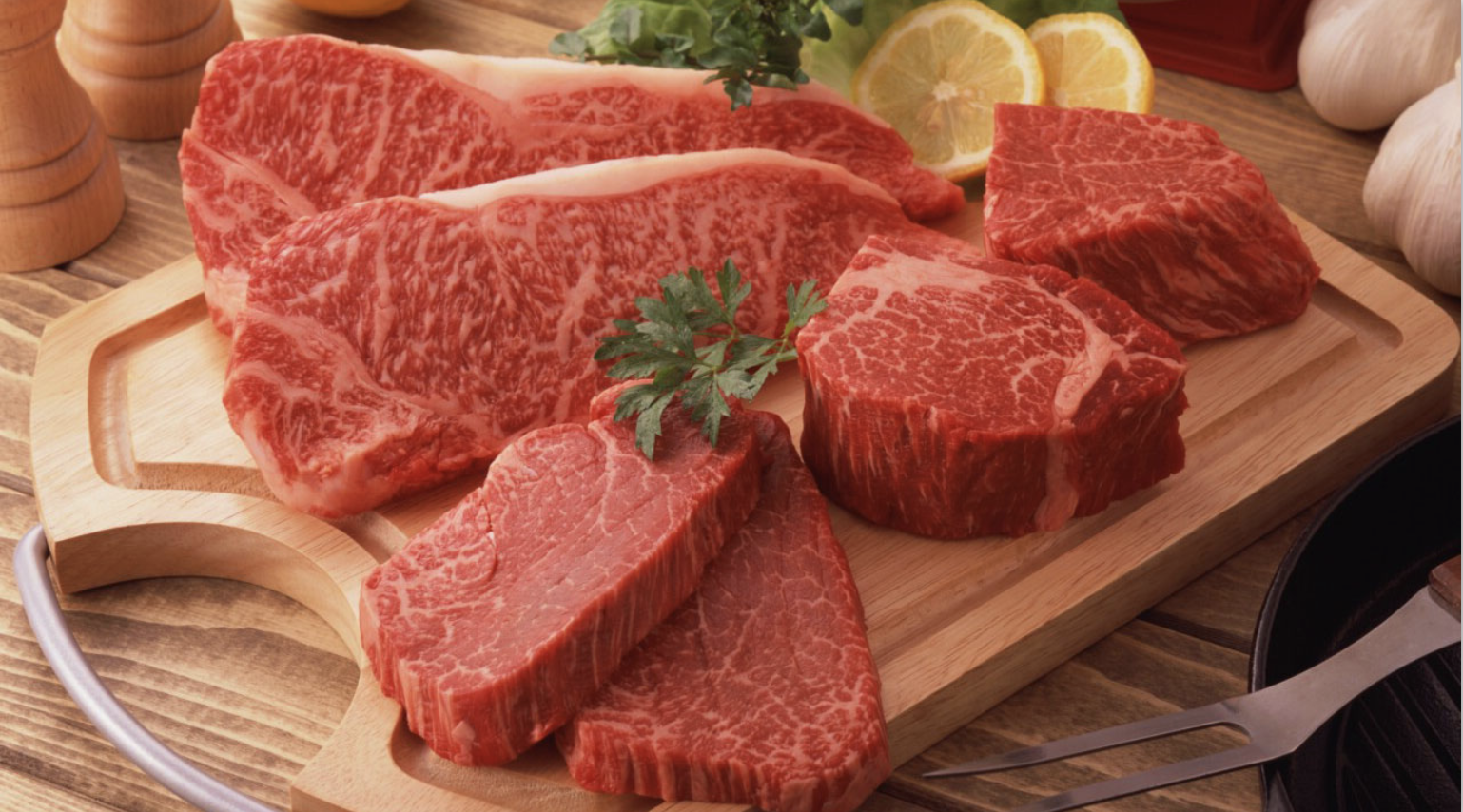
Tender cuts like tenderloin and striploin: medium or rare often gives better results. These cuts are already soft, and preserving juices increases flavor.
Fatty cuts like ribeye: medium works great. Fat renders better and aroma rises.
Tougher cuts: rare is risky here because chewiness increases. For these cuts, either full doneness or long cooking is more suitable.
Meat selection: fat ratio and fiber structure change everything
Now we move to the “which meat” question. This transition matters because the same doneness gives different outcomes across different cuts.
Fat: not something to fear, strength in the right place
Fat carries flavor. Very lean meat dries quickly. Fatty meat stays juicier when cooked correctly. So choosing the leanest cut every time for diet reasons may hurt both flavor and texture.
What does this improve? Fat makes meat more forgiving, especially in pan and grill cooking.
Fiber and connective tissue: this is where toughness comes from
Some cuts are more fibrous, some are naturally tender. Fibrous cuts get tougher under fast high-heat cooking. So for these cuts, think less “quick saute” and more “slow stew.”
Which meat for which dish? Practical pairing guide
Now we are at the most useful section. The goal is to match common home and restaurant dishes with the right meat type. Remember: correct matching is half the flavor.
Best options for grill and pan
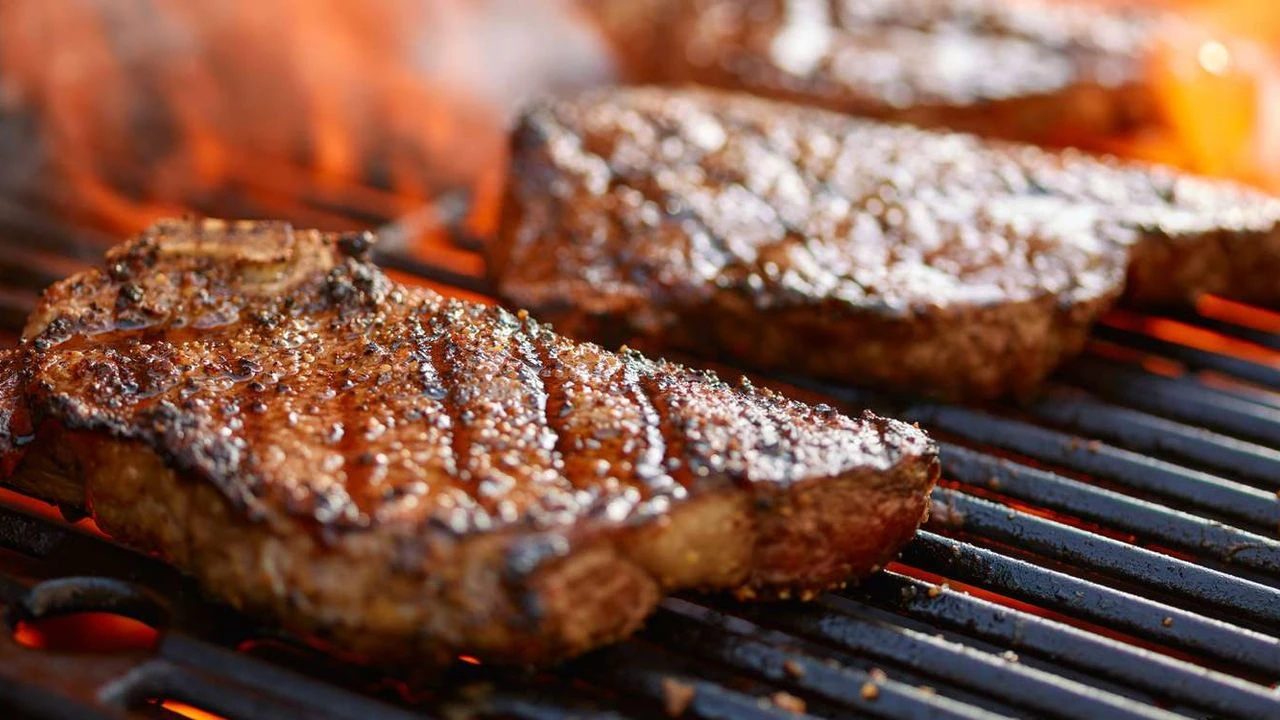
This method is fast and high heat. Tender cuts shine here.
Tenderloin: soft, cooks fast. Medium or rare works well.
Striploin: balanced, performs well in pan and on grill.
Ribeye: fatty and aromatic. Medium can be excellent.
Why important? In fast cooking, tough cuts feel rubbery. Tender cuts reach the right texture quickly.
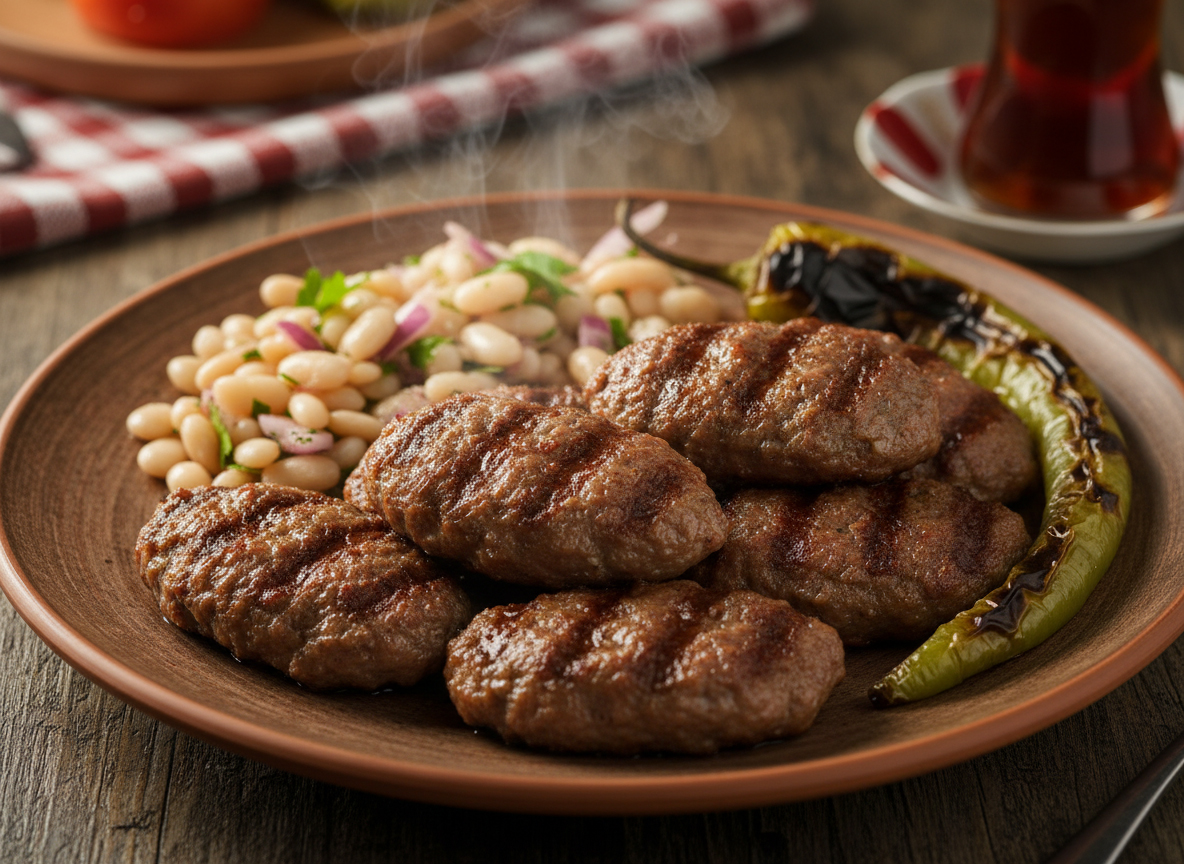
Choosing the right ground meat for meatballs
Meatballs are not only about spices. Ratio matters.
If fat is too low, meatballs turn dry.
If fat is too high, they may shrink and fall apart.
Practical range: medium-fat ground beef gives balanced results in most home-style meatballs. Also, resting the mixture helps a lot. Letting it rest 1-2 hours improves texture.
What does this improve? Rested mixture cracks less during cooking and stays juicier.
Suitable cuts for stews and casseroles
Here logic changes. Pot dishes mean long time + low heat. Tough cuts can become amazing with this method.
Diced stews: fibrous and connective-tissue-rich cuts soften over long cooking.
Traditional casserole stews: cuts that require long cooking work better.
Boiled dishes: collagen-rich cuts add flavor to broth.
Why important? Using expensive tender cuts in stew is often wasteful. Those cuts already shine in quick-cook methods.
Most critical point for saute-style “kavurma”
Kavurma looks simple and fast, but needs the right technique. Selection matters, but so do pre-cook approach and moisture release timing.
If cut is too lean, it dries out. If too fatty, it can feel heavy. Balanced fat usually performs best.
Practical tip: after adding meat to the pan, first let it release and reabsorb moisture, then add extra fat if needed. It first cooks in its own juices, then browns.
Right meat for burgers
Burger success depends on fat ratio and not overworking the ground meat. Over-kneading makes patties tough.
Medium-fat ground beef gives juicier results.
Do not press patties too much; that pushes juices out.
Medium doneness can taste better for many people, but hygiene and trust are critical.
Common mistakes when choosing doneness
Let’s close with a quick checklist.
Cooking meat straight from the fridge: very cold meat cooks unevenly, outside can burn.
Not preheating the pan enough: no proper sear, meat releases too much water.
Turning meat constantly: surface cannot brown properly.
Cutting without resting: juices run onto the plate, meat dries out.
Why is resting important?
After cooking, juices are still moving inside the meat. A few minutes of rest redistributes them. When sliced, juices stay in the meat instead of flooding the plate. This small step gives a major flavor upgrade.
Who should choose which doneness?
Let’s make this clear too:
Rare lovers: for tender cuts and juicier texture seekers.
Medium: safe middle ground for balanced flavor and texture.
Well done: for those who prefer a more cooked profile or dislike pink centers.
One warning: for ground meat and white meat, full cooking is generally safer. Risk management is more important for these products.
Right meat, right method, right doneness: flavor comes when all three align
Meat doneness and meat selection are really a three-part equation: what cut you choose, where you use it, and how much you cook it. When these align, results improve dramatically. Quick-cook tenderloin, use fibrous cuts for stew, balance fat ratio in meatballs, and always rest meat after cooking. That’s it.
If you love lahmacun, you have the right to know what’s inside: What Should Proper Lahmacun Ingredients Be? Take a look.
At your next meat shopping trip, try a small experiment. Don’t cook two dishes with the same cut. Do the reverse: cook the same dish with two different cuts. You’ll feel the difference immediately. If you want, share the 3 meat dishes you cook most often. I can match each one with the best cut and doneness in short recommendations.