

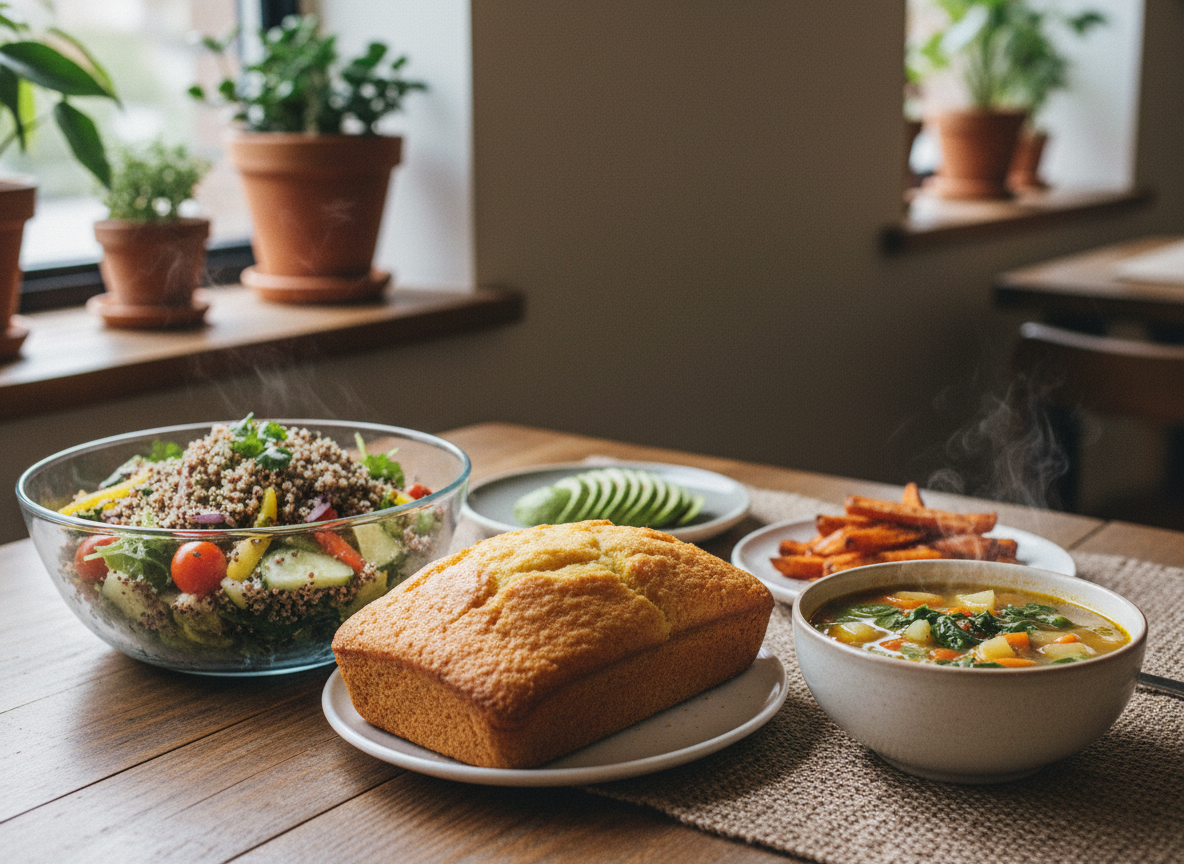
If you have gluten sensitivity, eating out can sometimes feel less like “pleasure” and more like a small stress test. You check the menu, it says “gluten-free.” You ask the waiter, they say “there is no flour in it.” Then your body tells a different story when you get home. Sounds familiar?
In this article, I prepared a practical roadmap you can think of as a local restaurant guide for people with gluten sensitivity. But not in the classic “eat this, avoid that” style. We will focus on what actually works: the critical questions to ask while ordering. Because when you ask the right questions, your chance of getting the right answer increases. You can also choose food more safely without unnecessary stress.
Are Gluten Sensitivity and Celiac Disease the Same?
Before going to a restaurant, it is important to know one basic distinction. This will shape both the tone and the importance of the questions you are about to ask. There are two common gluten-related conditions: celiac disease and non-celiac gluten sensitivity. They are not the same. But in both cases, the risk is real: gluten can create unwanted effects in the body.
Some places may say things like “a little contamination won’t matter.” But if someone has celiac disease, even cross-contact can cause problems. In gluten sensitivity, tolerance differs from person to person. That is why knowing your own limits makes eating out safer.
This is relevant both for people with gluten sensitivity and for people who dine with someone who has it. Because most of the time, we place orders together.
Cross-Contact Is the Biggest Risk in Local Restaurants
For gluten sensitivity, the main issue is often not just “does it contain flour?” but cross-contact. In other words, a gluten-free item touching gluten during kitchen preparation.
Keep this in mind: a restaurant kitchen is not like a home kitchen. Same counter, same pan, same frying oil, same tongs. So selecting “gluten-free” alone may not be enough. Once you understand cross-contact, the right questions come naturally. Because then you know where to look for risk.
Critical Questions to Ask While Ordering
Now we are at the core part. These questions are practical and clear. They also help you understand how informed the other side is, without getting lost in unnecessary detail.
- “Is this item naturally gluten-free, or was gluten simply removed?”
This question is simple but powerful. Some foods are naturally gluten-free. Others are treated as “gluten-free” with logic like “we removed the bread, done.”
Example: croutons are removed from a salad, but the dressing may still contain flour. Or the sauce served with meat may be thickened with flour.
Why this matters: gluten is often hidden. It can appear in sauces, spice blends, and marinades.
- “Does the sauce, marinade, or spice mix contain flour or soy sauce?”
Many people only think about bread. But the most common surprise usually comes from sauces and marinades.
Soy sauce often contains gluten.
Thickeners may be flour-based.
Ready-made spice mixes may include additives.
This question also reveals whether the kitchen team knows the details. If you get a clear answer, you can relax.
- “Is the same grill or pan shared with gluten-containing foods?”
The key point here is this: meat or vegetables may be “gluten-free,” but if they are cooked on a shared surface, risk increases. Especially grills that are also used for bread can be problematic.
Why it matters: if they can use a separate pan or grill, risk drops significantly.
- “Are fried foods prepared in separate oil?”
This is especially critical for fries and breaded items.
If breaded chicken, onion rings, and fries are all cooked in the same oil, fries are no longer considered safe. Flour residue mixes into the oil.
Why this matters: many places say “fries are gluten-free.” But if oil is shared, it can still be a problem.
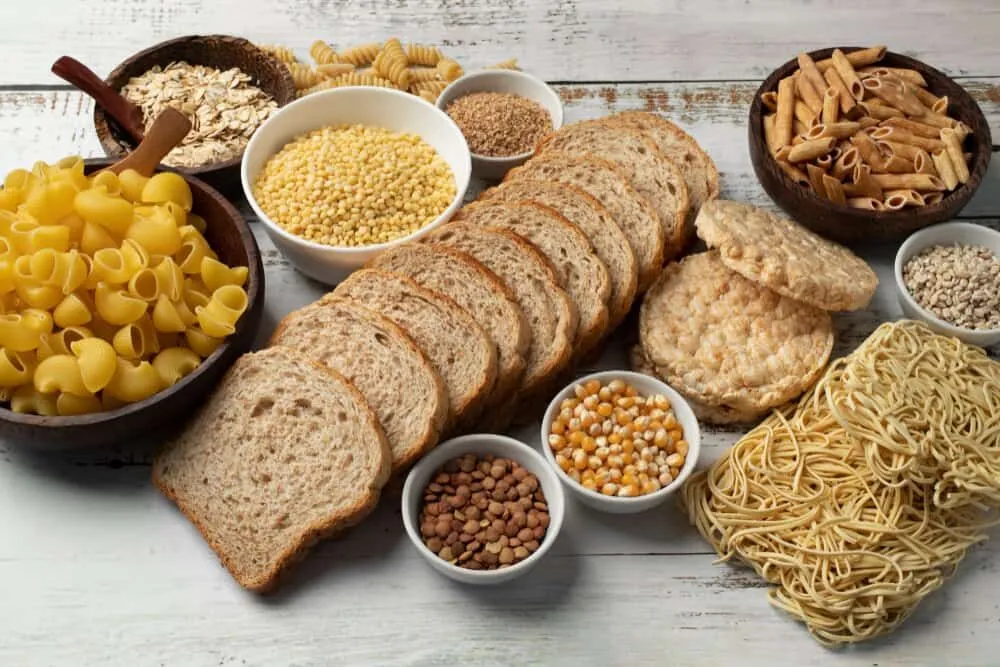
- “Do you use a separate cutting board and knife for preparation?”
This is a slightly advanced question but very useful. It is especially important for celiac patients.
If the same knife is used for bread and then for tomatoes, there is a risk. Some places are prepared for this. Some are not. This question reveals the difference immediately.
- “How do you store and heat gluten-free bread?”
If gluten-free bread is available, great. But storage and heating method matter.
If the same basket, same toaster, or same grill is used, risk rises. The key question is whether it comes separately packaged and is heated in a separate area.
- “The menu has a ‘gluten-free’ label. Is this label based on an actual kitchen procedure?”
You can ask this politely, but the purpose is clear: is “gluten-free” just marketing, or is there a real system?
Good places usually say things like:
We have separate equipment.
Our chef is informed.
We have a cross-contact protocol.
These answers build confidence.
Which Restaurant Types Require Extra Caution?
Now that we covered the questions, let’s discuss higher-risk venue types. Some cuisines naturally have more gluten exposure.
Pide, lahmacun, and pizza-style venues
Flour is everywhere in the air and on surfaces. Cross-contact risk is high. Even if there is a gluten-free option, extra caution is necessary.
Fried-food-focused fast-food places
Shared oil is common. That is why asking “is frying oil separate?” is essential.
Dessert shops and bakeries
Flour and starch are heavily used. Shared spatulas and counters are common risks. Packaged gluten-free products may be safer.
Practical Lower-Risk Menu Suggestions
Now let’s move to “what can I eat?” The goal is to choose lower-risk options that are widely available.
Grilled meat or fish with plain salad.
Boiled or baked vegetables with yogurt.
If possible, plain potatoes; if choosing rice or alternatives, still ask about cross-contact.
Order sauce-free. Request sauce on the side.
Why this matters: simple and sauce-free choices increase control. Then you can add a safer sauce option if needed.
Communication Style: How to Ask for Better Results
This section is short but very useful in real life. Sometimes the issue is not the question itself, but how it is asked.
Keep it short and clear: “I have gluten sensitivity. Cross-contact matters. Can you prepare this dish in a separate pan?”
Avoid accusatory tone. Instead of “you don’t understand,” say “I just want to be sure.”
If the answer is vague, choose an alternative. If you hear “probably” or “I guess,” switch to a simpler option.
Why this works: good communication reduces your stress and makes it easier for staff to help.
For people with gluten sensitivity, eating out does not have to be completely risky. But trusting a dish automatically just because it says “gluten-free” is also not correct. The real difference comes from asking the critical questions while ordering: sauce and marinade, shared grill, shared oil, separate equipment, storage, and heating method. When you clarify these points, you choose the right restaurant and eat more comfortably.
Set a small goal for your next outing. Memorize just 3 questions from this article: “Does the sauce contain flour?”, “Is the grill shared?”, “Is the frying oil separate?” Even these three can prevent most mistakes.
Here is an article recommendation right at this point: Meat Cooking Levels.
Where do you struggle most? The menu, communication with staff, or cross-contact concerns? The next step is creating a personal mini checklist for your hardest point. That way, eating out becomes enjoyable again.