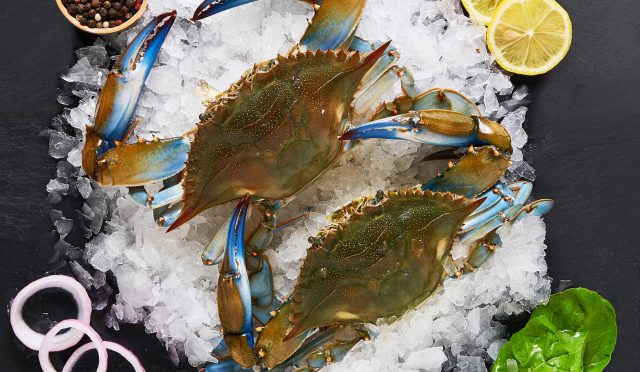


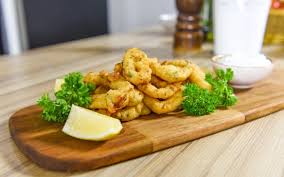
Seafood has always had a special place in our kitchen. Since we got tired of standard fish recipes recently, we decided to test different flavors like calamari. Through repeated home trials, we discovered new methods under the calamari cooking recipe framework. Our goal was to prevent toughness and reach restaurant-level results. We share all findings in full below.
Why Does Calamari Turn Tough?
Want to create stronger seafood results in your kitchen? Then you should add a calamari recipe to your list. Calamari has high collagen and tight muscle fibers. Because of this, wrong handling can ruin both texture and flavor. Based on observation, the main causes are:
- At very high heat, 2-3 minutes is enough. If you go low and slow, you usually need 45-60 minutes. In-between times often create chewiness.
- Connective tissue must be softened first. Alkaline or acidic marination helps. Skipping massage with sugar, lemon, and baking soda keeps fibers tight.
- If pan or oil temperature drops when calamari is added, sealing fails and calamari releases water.
- Cutting against fiber logic can overstress texture and increase toughness.
- If using frozen calamari, full thawing at room temperature is necessary. Partial thawing can damage texture.
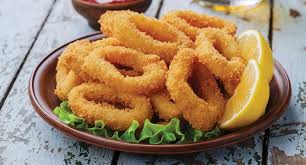
You may also like: Umami Flavor Balance and Food Pairings
How to Prepare Marinade Sauce at a Professional Level
If you want restaurant-style calamari at home, marination is critical. It is one of the core stages of a calamari cooking recipe. Standard marinades are usually not enough. You can adapt chef-level ratios. Whether you try oven calamari or classic pan method, marination should be treated seriously:
- For chef-level tenderness, use about 1 teaspoon baking soda to relax muscle fibers.
- About 1 teaspoon sugar supports browning without burning.
- Half a lemon adds light acidity to improve texture.
- One bottle of sparkling mineral water helps open fibers through gas and minerals.
- Add a small pinch of salt to balance natural juices.
Mixing these ingredients alone is not enough for a complete calamari recipe. First clean and slice calamari into rings. Add ingredients and massage until light foam appears. Then add mineral water and rest about 3 hours.
| Expert note: Before cooking, simply drain excess marinade liquid. Do not wash calamari. A light carbonate layer should remain to help crispness. |
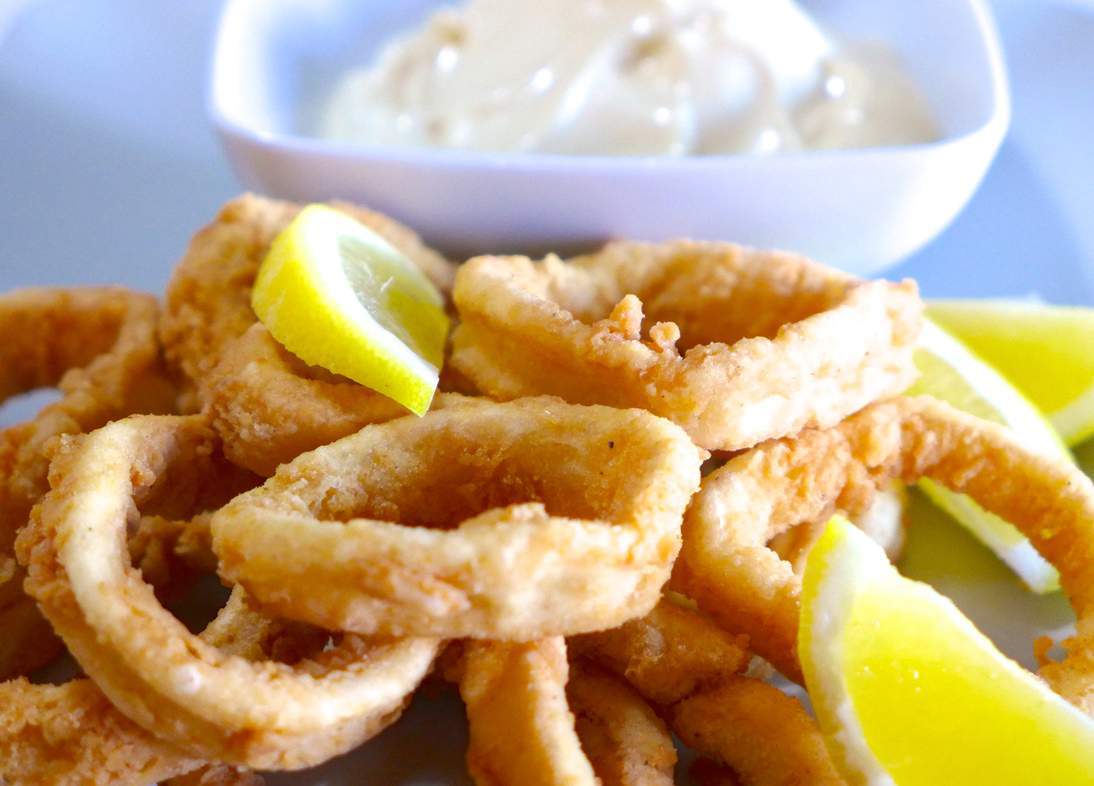
Sealing Technique for Calamari Cooking Recipe
In a calamari cooking recipe, proper searing is one of the most important stages. We do not recommend milk in this process. Milk proteins can burn at high heat and create an undesirable layer outside calamari. Sparkling water plus baking soda works better for professional texture.
For searing, pan and oil should be around 190oC. At low heat, calamari releases water and starts boiling instead of searing. Drying is a golden rule in calamari cooking. Remove moisture with a towel before cooking. During flouring, shake off excess to avoid burning.
For high-quality calamari cooking recipe results, cook in small batches. Overcrowding drops pan temperature. Typical searing window is around 1.5-2 minutes. Once color reaches light caramel, remove from heat. Resting calamari for a few minutes after cooking helps texture settle and keeps tenderness more stable. Then serve with a professional plating style.