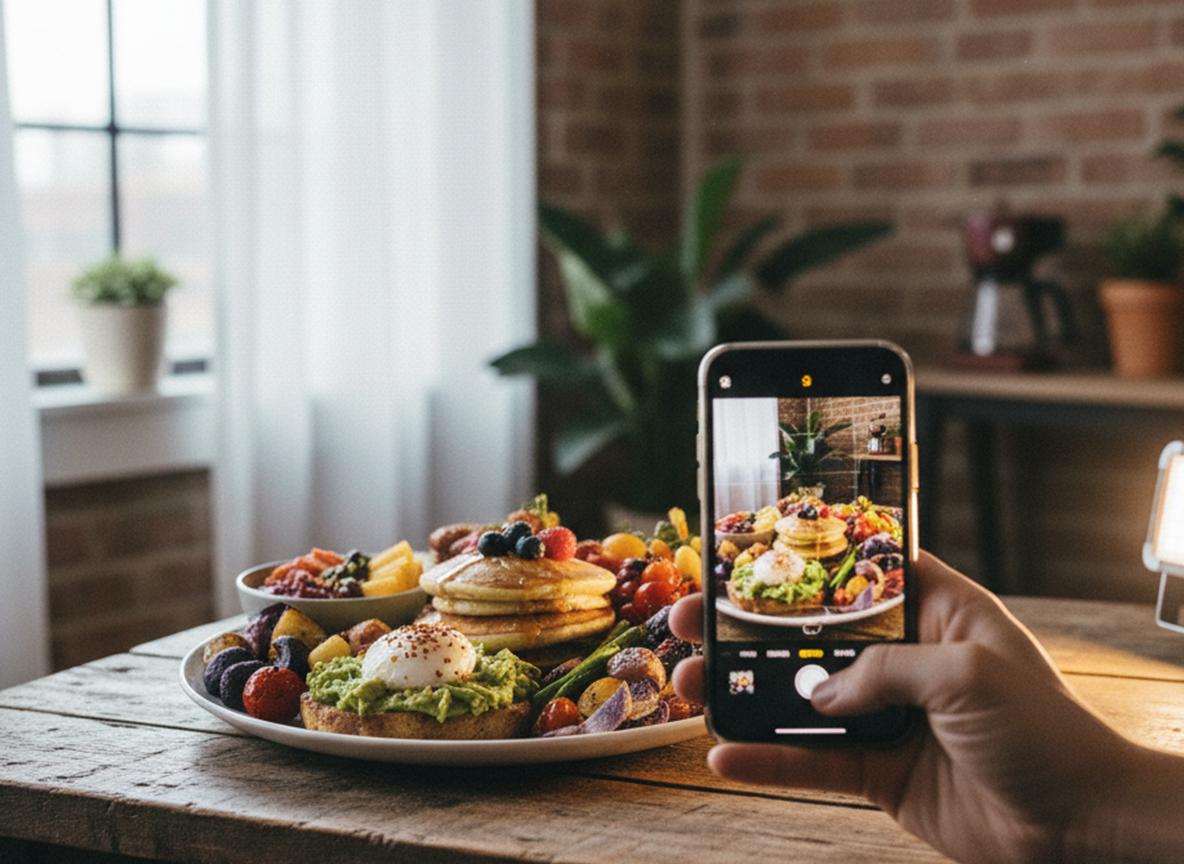


Today, the idea of going to a restaurant often comes not from hunger, but from something seen on screen. A video in your feed, stretched cheese, glowing plate, crowd excitement… suddenly you feel “we should go there.” But the odd part is this: once you go, expectation and reality do not always meet. That is exactly where the question appears: Are social-media-popular restaurants truly good?
As more people ask this, the answer becomes more complex. Because popularity is no longer earned by flavor alone.
Popularity and Quality Are Not the Same Thing
Being popular on social media is not inherently bad for a restaurant. Managed well, it’s a strong advantage. But popularity often does not perfectly overlap with quality. A place can be heavily shared, yet not deliver consistent output every day.
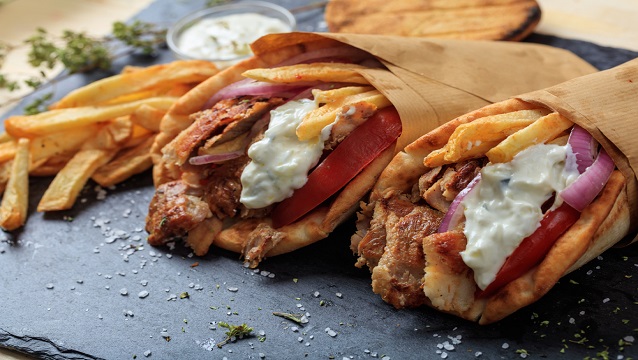
Some restaurants go viral with one specific item. That item may truly be excellent. But rest of menu may not carry same care. Social media usually shows one moment, not the whole operation. And that moment is typically captured in best light, best angle.
Do Camera-Friendly Dishes Deliver the Same Real-Life Effect?
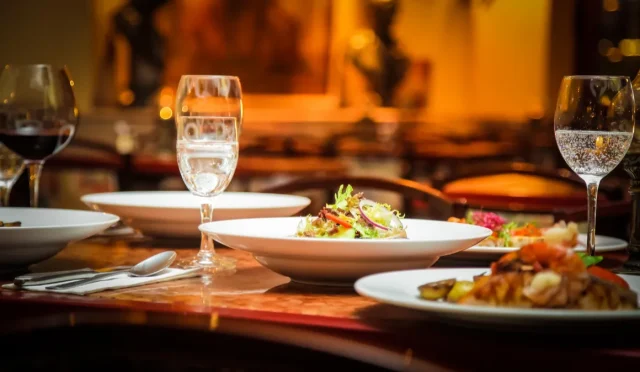
A dish looking great on camera does not guarantee the same effect on palate. Many social-media plates are designed to be visually dramatic: colors, flowing textures, theatrical plating.
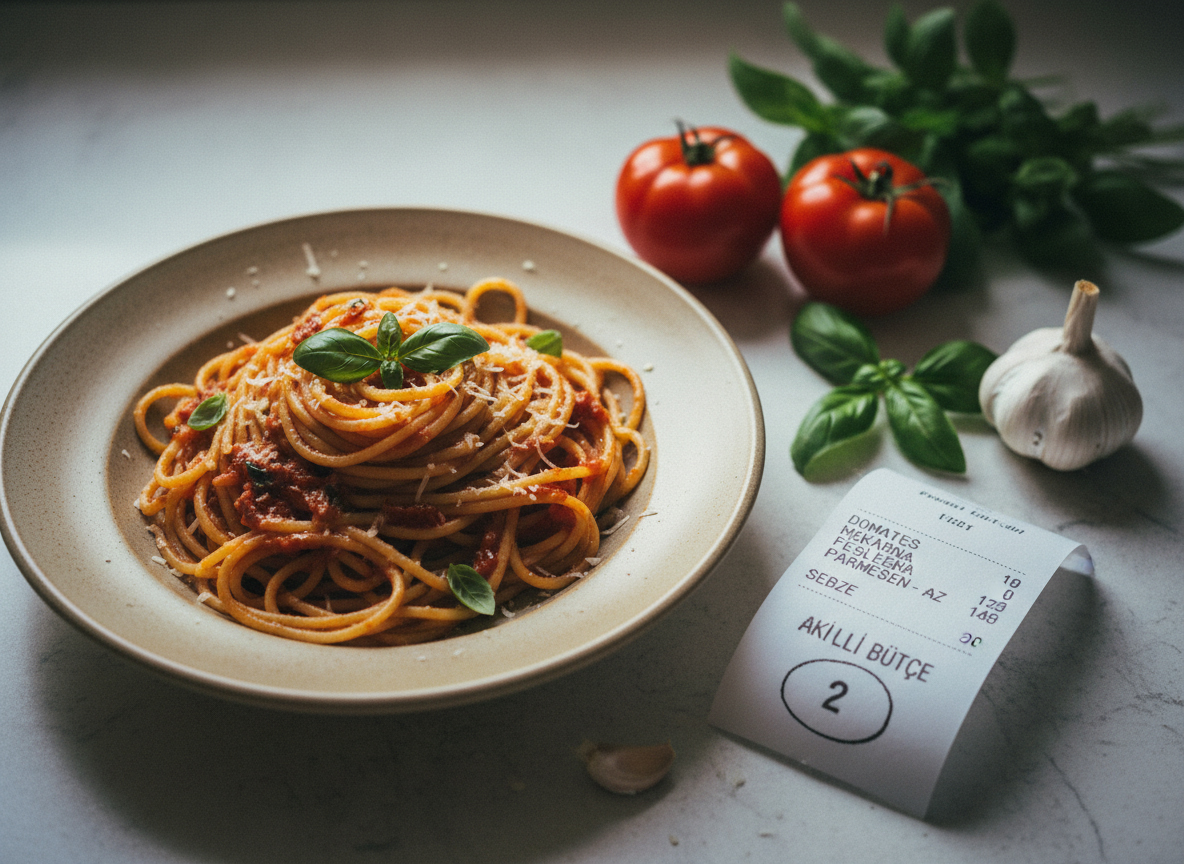
In real life, balance may differ. Sauce may feel too heavy, portion may feel smaller than expected, or flavor may impress only on first bite. Social media often skips these details because they don’t drive views.
Should you choose a Modern Restaurant or a Traditional Eatery?
Do Crowded Places Always Signal Quality?
Seeing lines outside a restaurant creates automatic trust for many people: “If it’s this crowded, it must be good.” But in social-media-driven venues, crowds are not always flavor-driven.
Some places catch short-term trend waves. Everyone wants to go at once. That pressure strains kitchen, slows service, and consistency drops. The guest who arrives there may not find the experience they saw online. Crowd can sometimes be curiosity, not quality.

How Real Are Influencer Posts?
A large part of restaurant exposure on social media comes from influencer content. Some posts are genuinely sincere. Some are fully paid collaborations. As a viewer, distinction matters.
Posts where everything is perfect and no single negative detail appears often do not represent full reality. Real experiences include small frictions. If those are completely absent, it’s worth pausing. Real experiences are usually not frictionless.
What Does the Algorithm Prefer?
Algorithms do not reward calm, balanced, average. They reward exaggeration. Massive portions, surprising presentations, shocking prices, unusual concepts get more visibility. This can push restaurants away from natural operation.
Some venues play this game very well. But game performance and meal quality can diverge. A detail that shines online does not represent the full two-hour dining experience. What algorithms love is not always what guests love.
Are Reviews Being Read Properly?
Before going somewhere, it is not enough to watch posts; reviews matter too. But read carefully. Don’t focus only on stars; read repeated patterns. If the same complaint appears repeatedly, it is rarely coincidence.
Comments on service, hygiene, and price-value balance are usually closer to reality. Social posts create excitement; reviews restore balance. Real opinions may be short, but they reveal themselves between the lines.
Is a Popular Restaurant Automatically Bad? No.
Important point: social popularity does not automatically make a place bad. Many genuinely strong restaurants also receive deserved attention online. Problem starts when popularity becomes the only decision criterion.
Popular places can be very enjoyable with correct expectations. But visiting based only on videos can lead to disappointment. Expectation shapes half the experience.
In short, social-media-popular restaurants are sometimes truly good, sometimes simply well marketed. Distinguishing these requires attention and experience. And in many cases, the best restaurants are not the most shared ones, but the most consistent ones.