

For student life, eating out is often not a preference but a necessity. Breaks between classes are short, there may be no kitchen, or the dorm kitchen is crowded, and budget is limited. So eating out usually means fast, cheap, and filling. Adding the word “healthy” to that trio may seem difficult. But it is not as hard as it looks. It comes down to knowing where to choose, what to choose, and how to choose.
This article is not here to give unrealistic advice like “eat salad every day” or “avoid fast food forever.” We’ll talk about practical ways students can eat outside in a balanced and relatively healthy way without exhausting the body. I’ll also add a little humor about how small decisions create large effects, because student life is already serious enough.
Healthy Eating Outside Does Not Mean Eating Less
First, let’s remove a common misconception. Healthy eating does not mean starving. This is especially critical for students. After a full day of classes, commuting, maybe part-time work, your body needs energy. So trying to eat “too light” and ending up half-faint by evening is not a smart strategy.
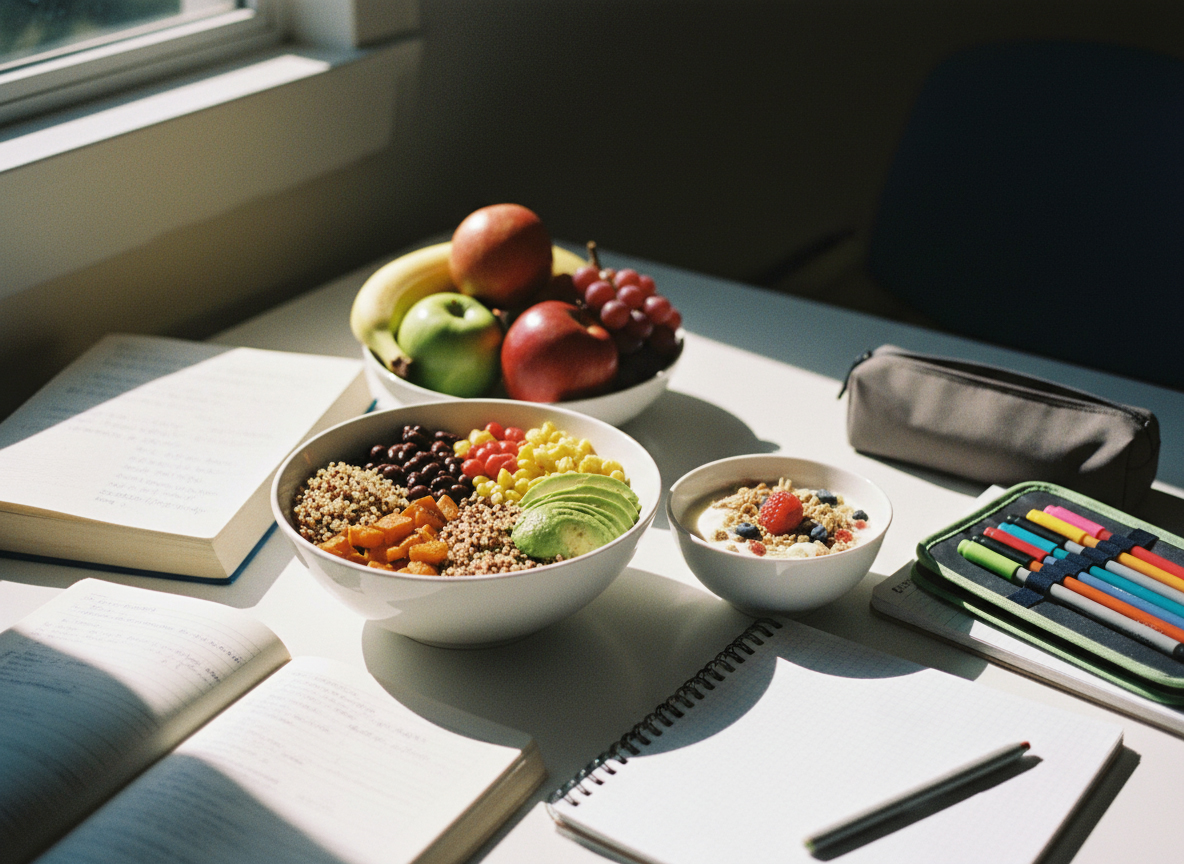
The core issue is understanding the difference between being satisfied and being overstuffed. Healthy eating out usually depends on three checks: Is there protein? Is there vegetables? Is there excessive oil and sugar? If you can answer these quickly, you are on the right track.
For example, fries alone may feel filling, but hunger returns two hours later. For the same money, lentil soup with rice and yogurt keeps you full longer and your body thanks you. Knowing this is a student’s hidden superpower.
Traditional Local Eateries and Student-Friendly Plates
The hidden hero of healthy student eating outside is the tradesman-style local eatery. Not flashy, but clear. You can see what you eat. Soup pot is there, stew is on the counter. No surprises.
A practical combo is usually this: one soup, one stew dish, a small rice side. Soups like lentil, ezogelin, or tarhana are low-cost and satisfying. Add chickpeas, beans, a vegetable dish, or juicy meatballs, and much of your protein and fiber need is covered.
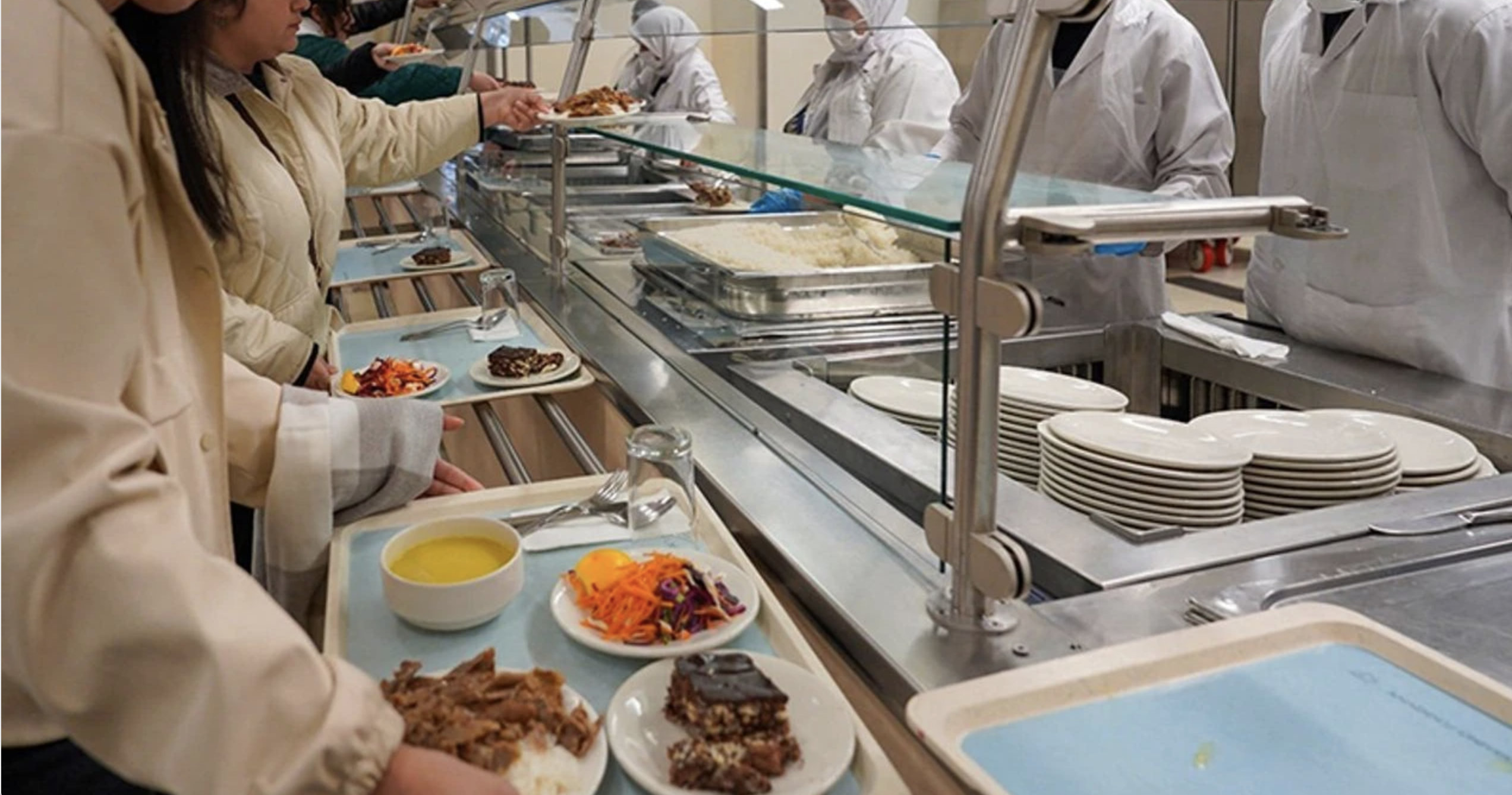
No need to completely avoid rice. The issue is portion size. A few spoonfuls is smarter than a tray-full. With yogurt on the side, this becomes a balanced student meal: lighter on the stomach and less sleepiness between classes.
One caution in local eateries is oil level. Some dishes can be truly oily. So instead of “shiny” dishes, matte and simpler-looking options are usually safer picks.
Doner, Meatballs, Chicken: Not the Enemy If Chosen Correctly
For students, doner is unavoidable. But there is healthy doner and regret-later doner. Key factor is bread and sauce amount. Choosing plated doner instead of sandwich or wrap is often a better start. If you can swap fries with salad, even better.
Chicken doner or grilled chicken can be lighter than red meat. But sauce-heavy versions with mayo and ketchup quickly erase that advantage. Asking “Can I get it without sauce?” takes student courage, but your stomach will thank you long term.
Meatballs can also be a strong option when selected right. Grilled meatballs with salad and ayran can be well-balanced. Again, bread and fries are the parts to keep limited. What makes a meatball plate “fast food” is often not the meatball itself, but what comes with it.
You may also want to read this article: Here
Fast Food Is Not Fully Forbidden, But Smart Choices Are Required
Let’s be realistic. In student life, fast food is sometimes unavoidable. Late night, after a long day, the nearest option may be exactly that. The right move is not self-blame, but damage control.
If you eat a burger, choose single patty instead of double, share fries or get small size, and choose water or ayran instead of sugary drinks. Big impact. For pizza, stopping at a few slices instead of finishing the whole tray alone is also a real skill.
Fast food’s main problem is often protein-fiber imbalance. Adding a side salad whenever possible helps bring the body back toward balance. Not to claim “this is fully healthy,” but to say “this is less harmful.”
Building Better Breakfast and Snack Habits Outside
Breakfast is often the most skipped student meal. Yet relatively healthy breakfast outside is possible. Simit-tea is budget-friendly but insufficient alone. Adding cheese-based protein or a boiled egg when available improves the start of the day a lot.
Toast can be decent if built right. Not a miracle food, but better choices exist: cheese-tomato toast, and whole wheat bread if available. Add milk or ayran, and breakfast becomes more balanced.
Snack strategy matters too. Students often do one of two extremes: no snack at all, or heavy junk snacking. Outside, even yogurt, ayran, a small sandwich, or a bowl of soup can stabilize blood sugar and prevent overloading at dinner.
Cheap and Healthy Combination Logic
The core of healthy eating outside is this: instead of searching for one “perfect” meal, build small but balanced combinations. For example: soup + small sandwich, vegetable plate + yogurt, half portion meat + large salad.
Students’ biggest advantage is flexibility. Instead of “let me eat everything now,” spreading intake through the day works better. This protects both budget and body. Not every outside meal must become a feast. Sometimes the goal is simply getting through the day well.
Over time, you notice this: once you roughly know what you are eating, eating outside stops feeling overwhelming. Healthy eating becomes habit, not strict discipline. And this habit is fully possible on a student budget. After a while, while reading menus, you automatically ask: “Is this worth it?” That question is one of the best for both your wallet and your body.
In the old days I used to carry meals to school in a tiffin carrier; this article brought those memories back. With love, take care.