

If you are searching for new tastes, exploring different national cuisines is always a good path. In this journey, Chinese cuisine remains one of the most popular choices. But unlike what many people assume, finding real flavor in this cuisine requires attention to specific details. Chinese restaurant dishes should not be evaluated only through sauce intensity.
If you do not want to get lost in the menu, focus on small but critical details. For truly authentic taste, pay less attention to heavy sauces and more attention to ingredient freshness and skilled spice balance.
Authentic Chinese Restaurant Dishes and Their Distinctive Menu
Chinese restaurants have menu structures and service standards that differ from typical restaurants. This cuisine appeals to many age groups and is increasingly popular in many Turkish cities. People interested in global food cultures are especially eager to explore Chinese restaurant dishes. That is why we investigated how to identify real flavor in a Chinese dining experience.
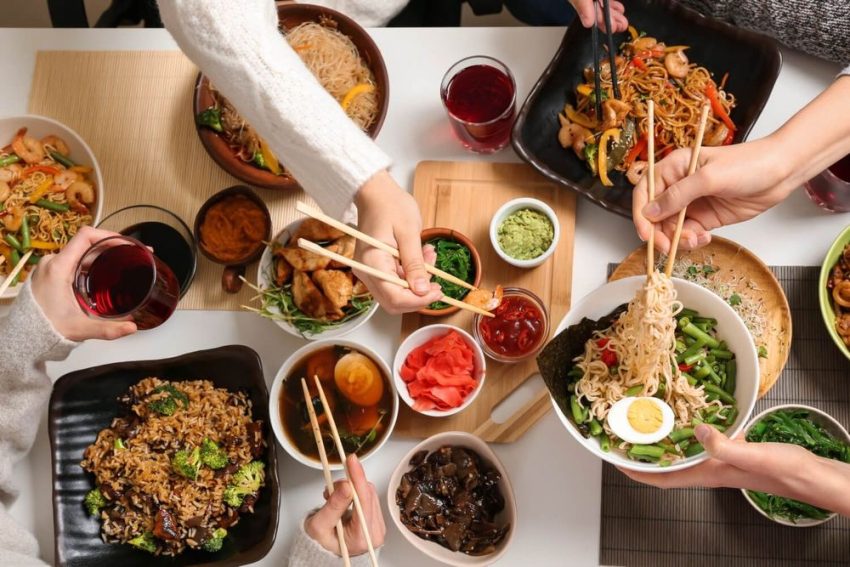
If you want a true Chinese cuisine experience, you need to move beyond fast-food expectations. This cuisine carries thousands of years of culinary heritage. As one of the most authentic food cultures, Chinese cuisine offers flavor structures far beyond ordinary venues. If you want to experience it properly, understanding what types of Chinese restaurant dishes exist is important. Here are key items worth trying:
- Peking Duck: slow-cooked in special ovens for hours; one of the core classics.
- Kung Pao Chicken: a wok-based spicy dish combining peanuts and dried chilies.
- Dim Sum varieties: steamed dough parcels (small tip: avoid tearing them while using chopsticks).
- Mapo Tofu: aromatic combination of minced meat and fermented bean sauce.
- Handmade Chow Mein: authentic Chinese noodle style, prepared by hand and cooked at high heat with vegetables.
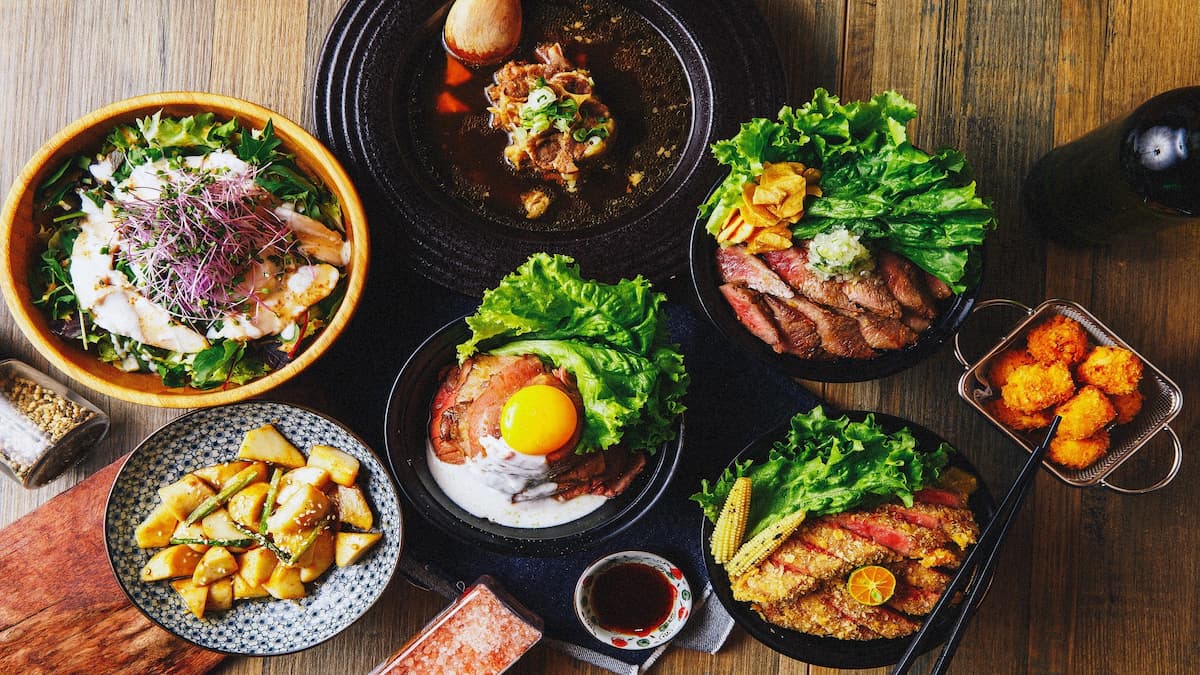
Spice Balance in Chinese Restaurant Dishes
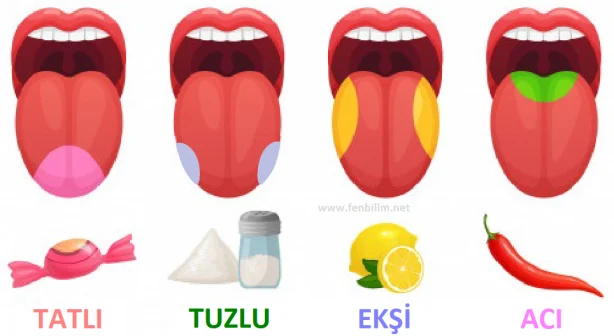
Spices are central ingredients in all cuisines. But not every spice performs the same way in every dish. Chinese chefs solved this balance challenge centuries ago. That is why in Chinese cuisine, instead of one dominant taste, you can feel five core profiles. If you wonder what real Chinese flavor feels like, you need to experience these layers.
Sweet, salty, spicy, sour, and umami are used with remarkable precision in Chinese restaurant dishes. Spices do not cover the main ingredient; they elevate it. This creates layered taste and allows each dish to deliver a different profile.
You may also read: What Is a Wok Pan For? Key Tips for Far East Cooking
The Wok Hei Experience Behind Chinese Flavor
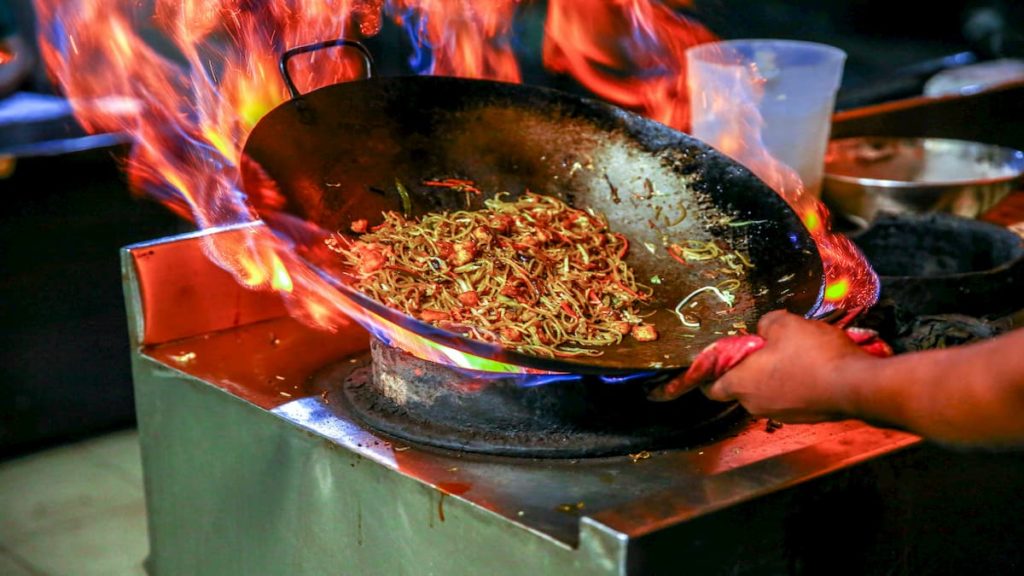
In Chinese cuisine, unforgettable dish character often comes from Wok Hei. This is the harmony created when ingredients meet intense flame. A core sign is vegetables staying vivid and lively instead of turning dull. Another is protein being seared outside while retaining internal moisture. For people seeking real Chinese dining character, this is a must-experience dimension.
Wok Hei gives a smoky note that cannot be reproduced by simply adding external ingredients. Many experts consider this the hidden layer behind Chinese cuisine dishes. It emerges in seconds under strong flame reaching high temperatures, which is why authentic Chinese kitchens produce a distinctive profile.
How to Recognize Real Chinese Restaurant Flavor
If you want a meaningful Chinese restaurant experience, you should know what to evaluate. There are practical criteria to distinguish authentic flavor from adapted versions.
First, examine texture clarity in Chinese restaurant dishes. Brighter and crisper vegetables plus properly seared proteins usually indicate stronger authenticity. Meat should also remain juicy internally, and spice balance should feel controlled.
If dishes are excessively flour-heavy, overly spice-loaded, or dominated by a single seasoning note, they are usually far from real Chinese profile. A second clue is aroma: when dishes arrive, you should detect a Wok Hei note. Spices should never feel one-dimensional; you should sense a harmonic combination of multiple spices.