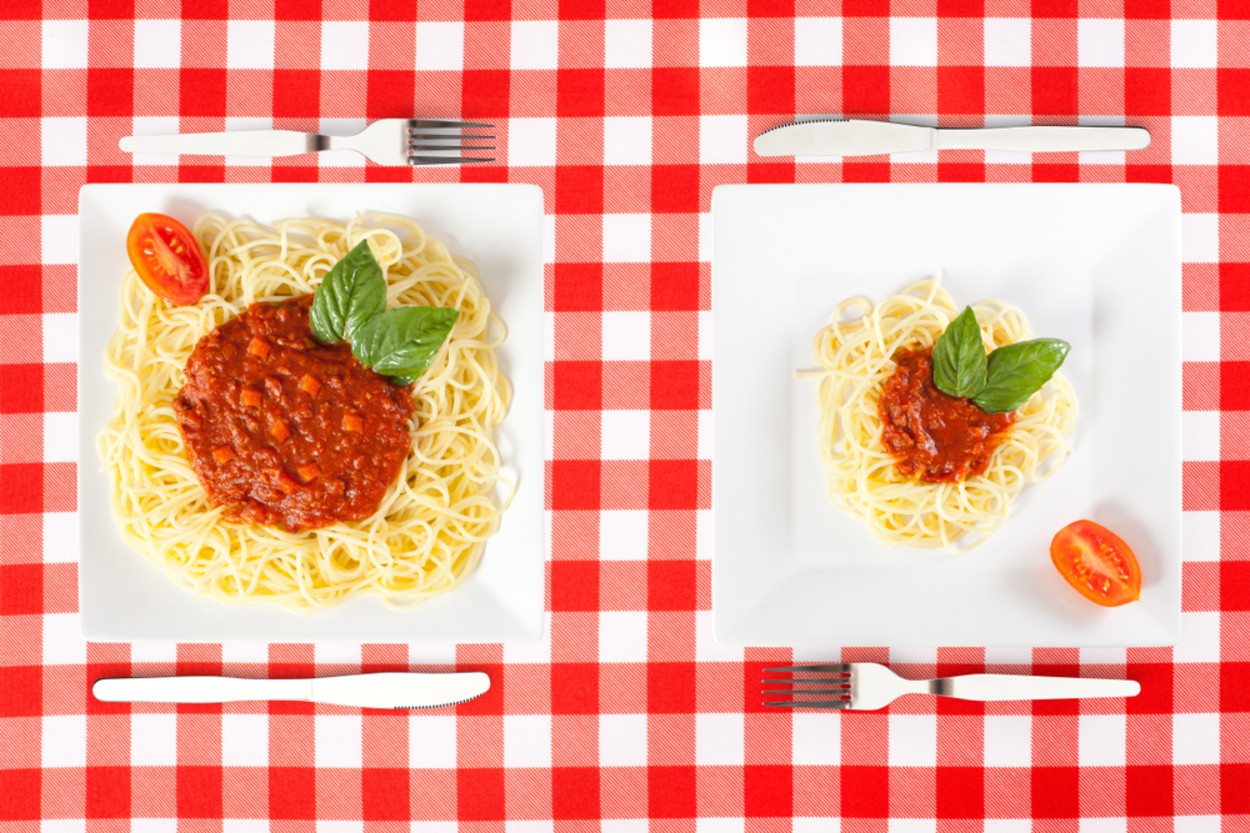


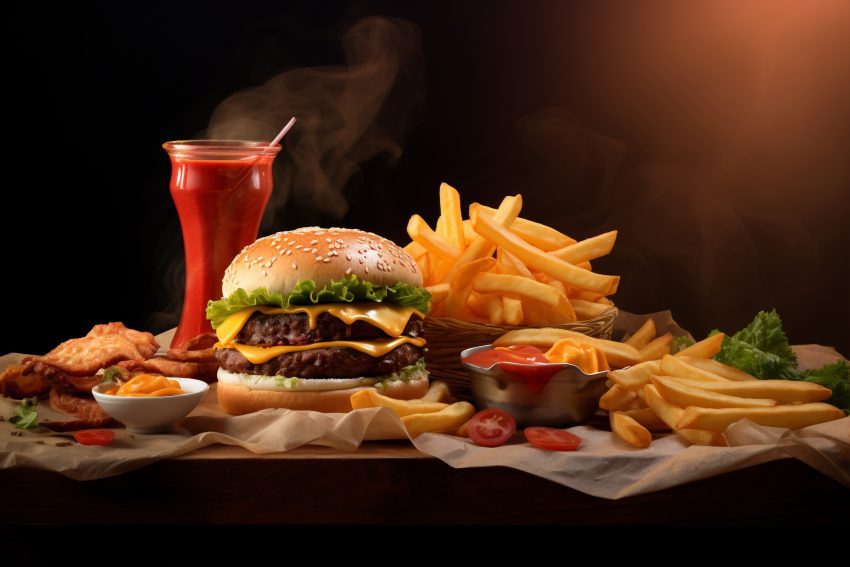
In this article, we compare ready-made fast food meals and hot dishes served in classic local eateries. City life has trained all of us to rush. On one side, there is the corner fast-food chain with bright signs, a menu ready in two minutes, and a promise of “practicality.”
On the other side, there is the neighborhood eatery: the daily menu on the window, that familiar pot-cooked aroma wrapping around you as soon as you step in. So which one is actually better? There is no single correct answer, because this is not only about filling your stomach. It is also about what kind of experience you want to live.
A Taste Test Against Fast-Paced Life
The most attractive side of fast food is how quickly it appears and how quickly it can be consumed. If your lunch break is limited, you are running between meetings, or you return home tired at night, a menu ready in minutes can feel like a lifesaver.
Its standard flavor profile is also an advantage for some people: you know what you are getting, no surprises. But this speed has a cost. It often comes with high calories, excessive fat, and salt. Practical in the short term, debatable in the long term. But is there no speed in an eatery either?
Showing Patience for Slower Time in Eateries
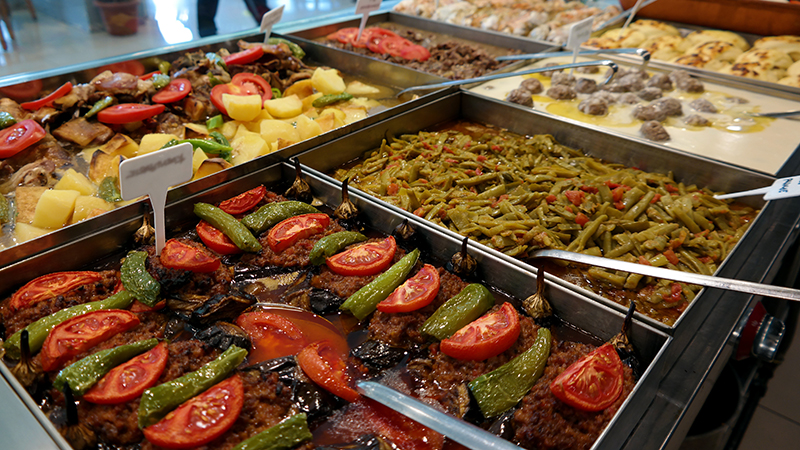
An eatery tells a different story. You sit, order water, and the waiter says “today’s green beans are excellent.” Stews, soups, olive-oil dishes… suddenly you are transported to childhood kitchen memories. In eateries, food is not only a physical need, but a ritual.
Most of the time, they offer more balanced and home-style options. Portion control is more reasonable, and variety feels more natural. Of course not every eatery is perfect, but when you find the right one, table pleasure is different. The natural atmosphere, feeling at home, and flavors that remind you of family cooking make a huge difference for me.
So Who Wins If We Compare Health?
Health is the most critical dimension. Fast food may not create a major issue when consumed occasionally, but when frequent, weight gain, digestion problems, and long-term risks can appear. In eateries, it is usually easier to build a balanced plate. You can choose consciously with options like soup, vegetables, and grilled dishes. So the real issue is less about the place and more about your choices. You can choose salad at a fast-food chain; you can also choose heavy oily dishes at an eatery.
Also, considering how many ready-made foods are stored and handled, it is fair to say the health side is not always reassuring.
Let’s Also Look at Cost and Social Aspects
Price also matters. Fast-food chains can look attractive with campaigns. Menu prices are fixed, and surprises are rare. In eateries, prices may vary, but many neighborhood spots still offer accessible choices.
Beyond that, eatery culture is a social experience: sitting longer, talking, drinking tea. While fast food represents a more individual and rapid consumption model, eateries offer a more collective and sharing atmosphere. Personally, if I am paying for a meal, I expect service. In fast-food settings, you usually wait in line, carry your tray, and search for an empty table. That is not very appealing to me.
You may like this: Modern Restaurant or Classic Eatery?
And the Winner at the End of the Day
So the answer to “Which is better?” depends on your lifestyle. If you need fast, practical solutions in a high-tempo day, fast food may suit you. But if you see eating as culture and enjoyment, not only filling up, eateries offer a more satisfying experience. Maybe the healthiest model is balance: sometimes a quick bite, sometimes a long table conversation. Because the real issue is not only where we eat, but how we choose to live.
If you ask my personal choice: fast food can be an occasional escape, but if we are talking about lifestyle, I am definitely on the side of classic eateries and classic dishes.