


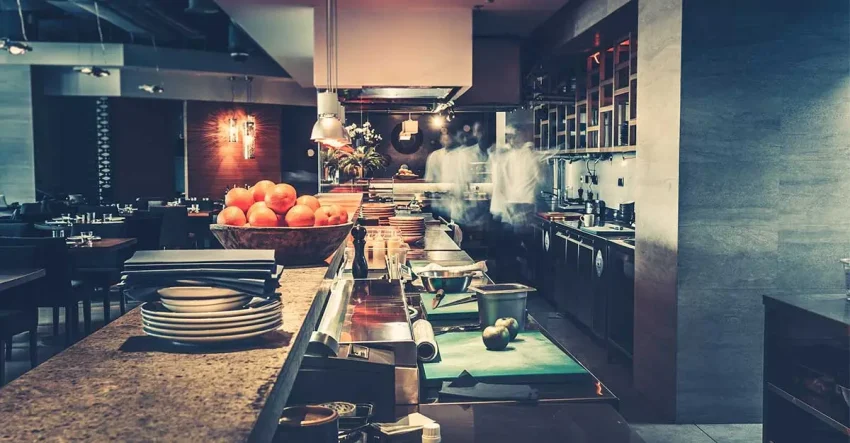
Ghost kitchen reliability is a major concern for people who order food online. With the rapid growth of delivery culture in recent years, are we paying enough attention to trust and safety? On Turkey’s most active online food platforms, many businesses sell meals every day.
Some of these businesses operate physical restaurants, while others use the ghost kitchen model. In this model, operations are delivery-only with no dine-in presence. Before ordering, it is important to evaluate how reliable these virtual restaurants are. In this article, we cover the full picture.
What Is a Ghost Kitchen?
Virtual restaurants, also called ghost kitchens, are businesses that cook food and deliver it directly to customers. They do not operate physical dining spaces, so they avoid table-service and front-of-house costs. Their facilities are usually compact production kitchens. These kitchens are often located in busy city areas, side streets, or locations with lower rental costs.
Why are they called “ghost”? Because customers cannot physically visit them. Brands choose an attractive name in food delivery apps, then present themselves with appetizing visuals. This invisibility naturally raises the question of ghost kitchen reliability.
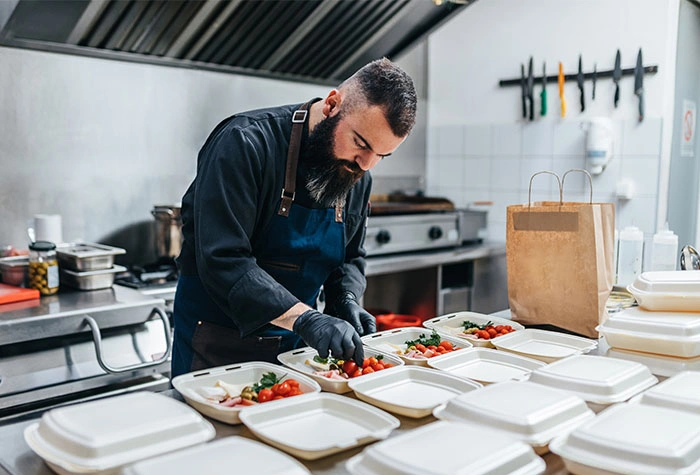
How Reliable Are Ghost Kitchens and Who Inspects Them?
When ordering food from outside, a broader evaluation is necessary. With so many new operating models emerging, we need to be more careful before placing an order. In this context, researching ghost kitchen reliability is essential. For these businesses, food safety standards are the critical factor. The main inspection points are:
Ministry of Agriculture and Forestry Oversight
Are ghost kitchens inspected? Yes, they are. Like physical food businesses, they must be officially registered under the Ministry of Agriculture and Forestry. Virtual restaurants are required to hold an official business registration number and documentation. Without this registration, they cannot legally sell food through online platforms. Applications are submitted to provincial or district agriculture directorates.
Ghost Kitchen Inspection Standards
Ghost kitchen restaurants are inspected under standards similar to physical restaurants. Inspections generally focus on:
- Unannounced inspections by ministry officials.
- Food safety review of raw materials, meat quality, and storage conditions.
- Employee hygiene certificates and working standards.
- Kitchen counter materials and ventilation systems.
- Detailed waste management checks.
You may also read: Why People Still Choose Traditional Eateries Over Modern Restaurants
How Is Food Prepared in Ghost Kitchens?
Ghost kitchens are designed around delivery operations. Meals are prepared in dedicated kitchen environments and sent to customer addresses. These facilities include all necessary cooking equipment. Instead of stylish restaurant decor, they prioritize layouts that support packaging and dispatch flow. Preparation is usually faster than in traditional restaurants, and delivery times are also generally shorter.
In professionally equipped ghost kitchens, every second matters. Meals are cooked with modern kitchen technology. Smart devices help ensure faster and hygienic preparation, and orders are dispatched quickly. Chefs track each order through digital systems.
One of the most asked questions about ghost restaurant reliability is kitchen organization. In many operations, counters are separated by food category. For example, a sushi station is not used for burgers. Many facilities also use air filtration systems to prevent food vapors from mixing. Each station has dedicated cleaning tools. Packaging quality is also crucial: meals delivered in heat-insulated sealed packaging maintain better temperature and quality.

How to Verify a Ghost Kitchen Hygiene Certificate
Since ghost restaurants do not have a physical dine-in space, it is not always easy to evaluate hygiene directly. In such cases, questions like are ghost kitchens inspected and how to verify hygiene documentation become important. Virtual restaurants are expected to be transparent in legal and compliance matters.
To verify legality and oversight, check the restaurant information section in the app. If a Ministry of Agriculture and Forestry registration number is listed, the business is formally registered. Reviewing each business carefully before ordering through delivery platforms is important for your health and safety.