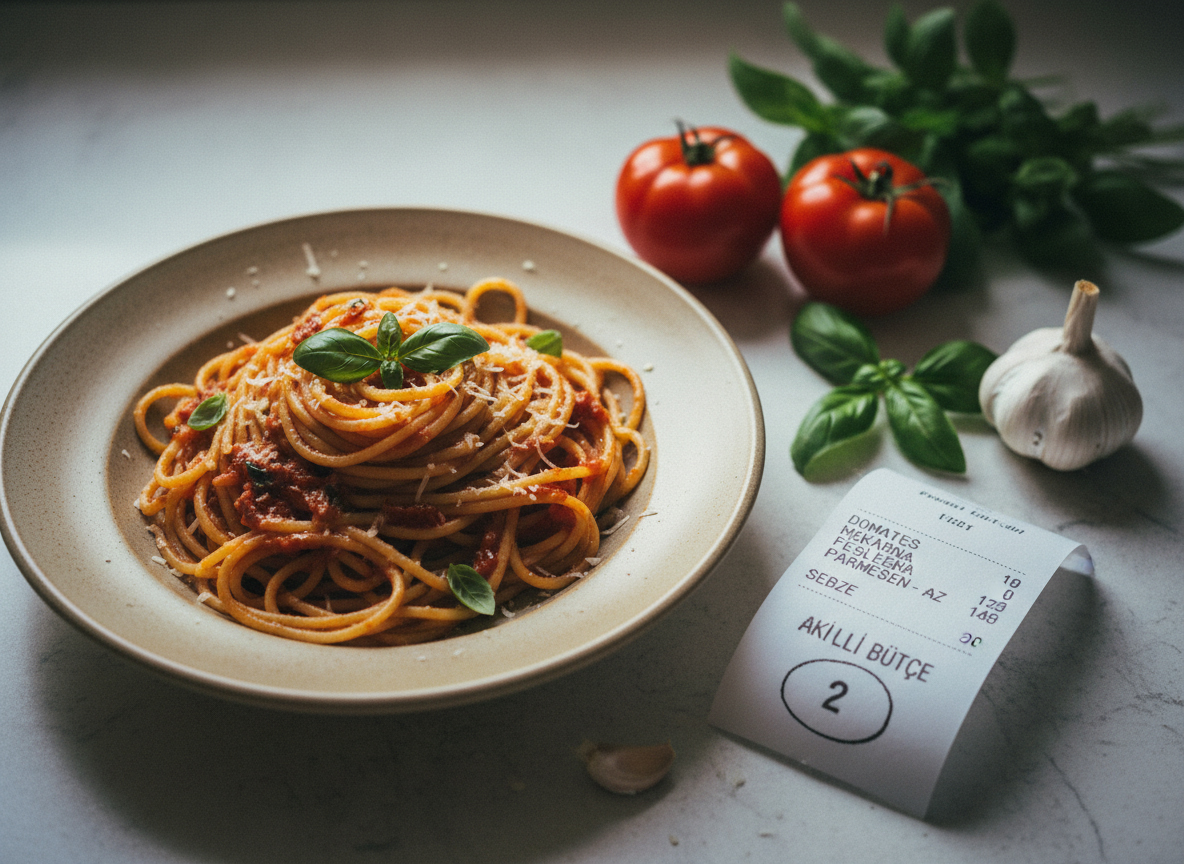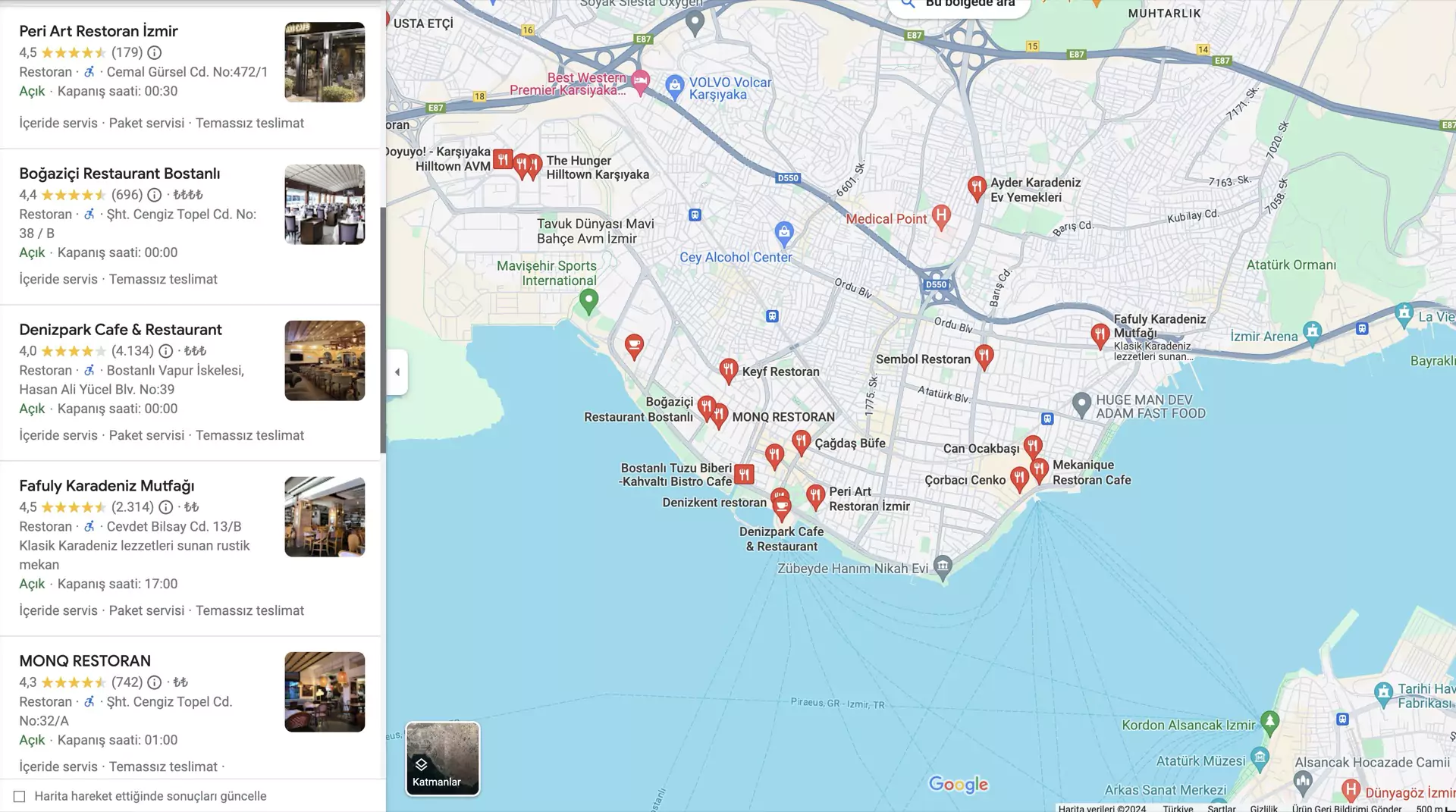



Home cooking or eating out – which one is more rational? This question has become much more common in recent years, especially with rising food and restaurant prices. On one side there is the effort of cooking at home; on the other side, the cost of dining out. So which one is truly more advantageous?
This article is based on real-life experience, budget awareness, and daily practical decisions from someone who both cooks regularly and eats out often. The goal is not to give one absolute answer, but to help you see what makes more sense for your own life.
Cost and Control Advantages of Home Cooking
Home cooking is generally seen as more economical, and this is mostly true. The same ingredients can produce multiple meals. Portion control is also fully yours.
When cooking at home, you decide ingredient quality, quantity, and composition. This makes both budget and nutrition more predictable.
However, one point is often ignored: without shopping planning, home cooking can also become expensive. Unplanned grocery runs can increase waste.
Time and Comfort Advantages of Eating Out
Evaluating this only through money is incomplete. Time is also a cost. After an intense day, preparing meals is not easy for everyone.
Eating out can save time and reduce mental load. No menu planning, no grocery effort, no dishwashing.
For working individuals especially, eating out can be a logical option on certain days. The critical point is whether this becomes default habit.
Is Home Cooking Always Cheaper?
Contrary to common belief, not always. For people living alone, the gap can narrow. Ingredients bought for small portions may not be fully used and can be wasted.
Also, special recipes, imported products, or frequent experimentation can push costs up.
Home cooking is cheaper only when planned. Otherwise, balanced outside menus can create similar totals.
In this comparison, one often-missed area is hidden costs. Menu price is rarely final cost.

Drinks, service charges, extra sauces, and desserts quickly grow the total. Also, “we came anyway” psychology often drives additional orders.
On this topic, the article “Tips for Not Overpaying While Eating Out” offers detailed guidance (example search link: /blog/disarida-yemek-tuyolari).
Protect your wallet while dining out: Link here
Nutrition Habits and Health Dimension
This is not only a logic question; it is also a health question. At home, controlling salt, oil, and portions is easier.
Eating out is often tastier but also higher in calories. If repeated frequently, this may cause unnoticed weight gain and imbalanced nutrition patterns.
For broader nutrition behavior context, Harvard School of Public Health – Healthy Eating Plate is a reliable reference.
Which One Is More Rational? The Balance Point Changes by Person
Real answer is here: there is no single universal truth. The better choice depends on your lifestyle.
For most people, a mixed structure works best: some days home meals, some days eating out. Key is conscious decision-making.
This quick comparison helps clarify the picture:
|
Criterion |
Home Cooking |
Eating Out |
|---|---|---|
|
Cost |
Low–Medium |
Medium–High |
|
Time |
Higher time spend |
Time gain |
|
Control |
Very high |
Lower |
|
Comfort |
Medium |
High |
Habit or Conscious Choice?
This question leads to a bigger one: How do you want to live?
For people balancing budget, time, and health, this is less about choosing sides and more about finding workable equilibrium. Neither always-home nor always-outside is mandatory.