

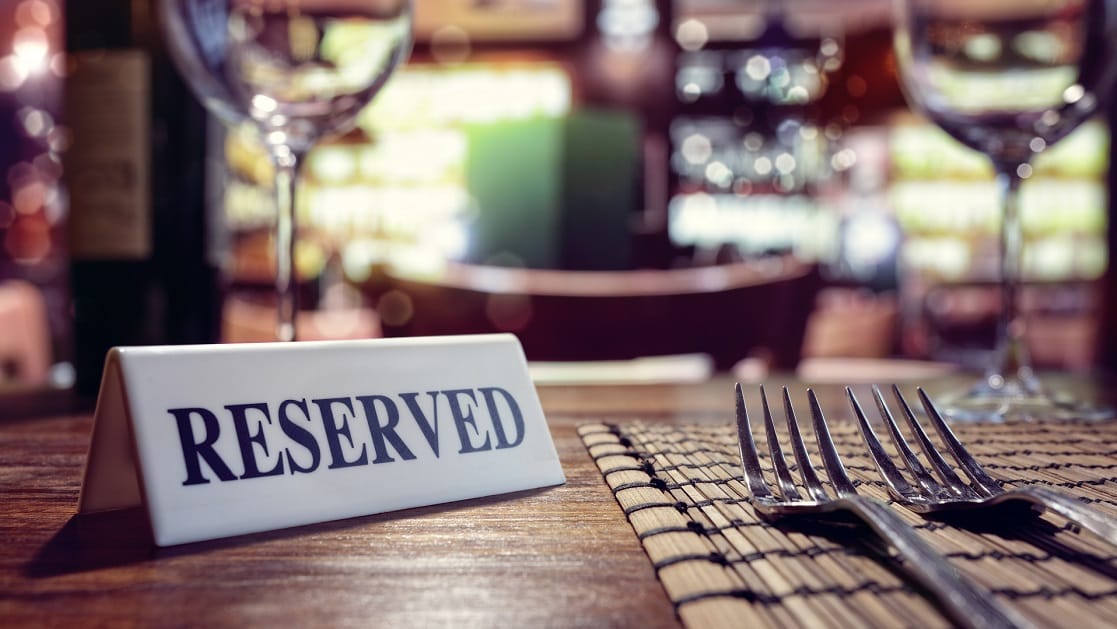
Eating out often looks like a spontaneous plan: someone says “let’s go somewhere” and off you go. But once the place is more popular or more special, that spontaneity quickly gives way to reservation reality. The interesting part is this: many people treat reservation like just leaving a name. In truth, it is a small but critical step that shapes the whole evening.
A poorly made reservation can drain your energy before food even starts. A good reservation is almost invisible, but you feel its effect. That is why reservation details matter far more than most people assume.
Pay Attention to Time Selection: Not Every Hour Is Ideal
People usually choose whatever hour seems convenient. But what that hour means for the restaurant is rarely considered. Some hours are too early in service rhythm; kitchen is still calibrating. Other hours are peak overload; everyone arrives at once and service is stretched.
So reservation timing should match not only your personal schedule, but also the restaurant’s service rhythm. This simple detail directly affects quality of experience.
Table Position Matters: Avoid Door-Draft and High-Traffic Spots
Have you ever sat down and immediately felt “we shouldn’t be at this table”? Too close to entrance, constant movement around, or right beside kitchen noise. Most of this can be prevented during reservation stage.
Table location is often not discussed, but it’s a major part of comfort. For long dinners, asking for a quieter table is completely normal. Good restaurants usually welcome this request, because they know happy guests sit in suitable spots.
If You Reserved, Always Get Confirmation
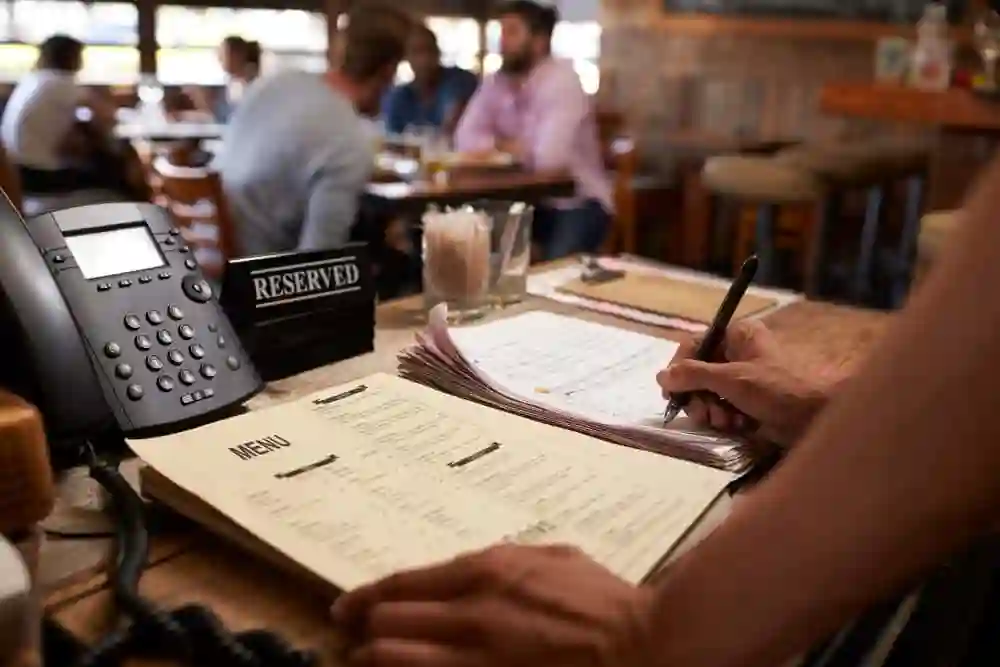
One of the most common failures is: “We had a reservation, but it’s not in the system.” This risk is always present, especially with phone bookings. Call ends, everyone relaxes – but name may be misspelled, hour mixed up, or booking not recorded.
That is why you should ensure reservation is clearly confirmed. Name, hour, and party size should be repeated. In online systems, confirmation SMS/email may look small, but can save you from major disappointment.
Inform About Special Occasions in Advance
Birthday, anniversary, special meeting… these are not a burden for restaurants; they are opportunities. But they can only respond well if they know in advance. Sharing this during booking is not “asking too much” – it’s clarifying expectations.
Same applies to allergies, dietary restrictions, or arriving with children. If shared at last second, it creates friction. If shared early, it usually becomes manageable.
Reservation Policies Are Small Print with Big Impact
Many restaurants have reservation rules: late-arrival grace period, table hold duration, cancellation terms. These are often presented as small text and ignored until a problem appears.
Knowing these in advance protects you from ending up unfairly exposed in disruptions. This is even more critical for large groups. Reservation policies are not formalities.
Reservation Process Reveals Restaurant Character
How a restaurant handles reservations tells a lot about its overall operation: tone of call handling, clarity of answers, speed of response. These are small but meaningful signals.
In online booking, clarity and order matter most. Clear info, quick confirmation, and open communication act like a preview of service quality inside. Chaos during booking often echoes at the table.
Do a Quick Check Before You Go
A short pre-check before reservation day can prevent big issues. Is time correct? Party count final? Do we know exact address? These look basic but are lifesavers on busy days.
For first-time venues this is even more important. Hunger plus stress rarely ends well. A good reservation is the foundation of a smooth evening.
The article Kitchen Tricks in Restaurants may also interest you.
In short, reservation is not just booking a table. It is drawing the frame of an experience. The more consciously it is done, the smoother the evening becomes. And although often unnoticed, well-executed reservations sit behind many great dining nights.