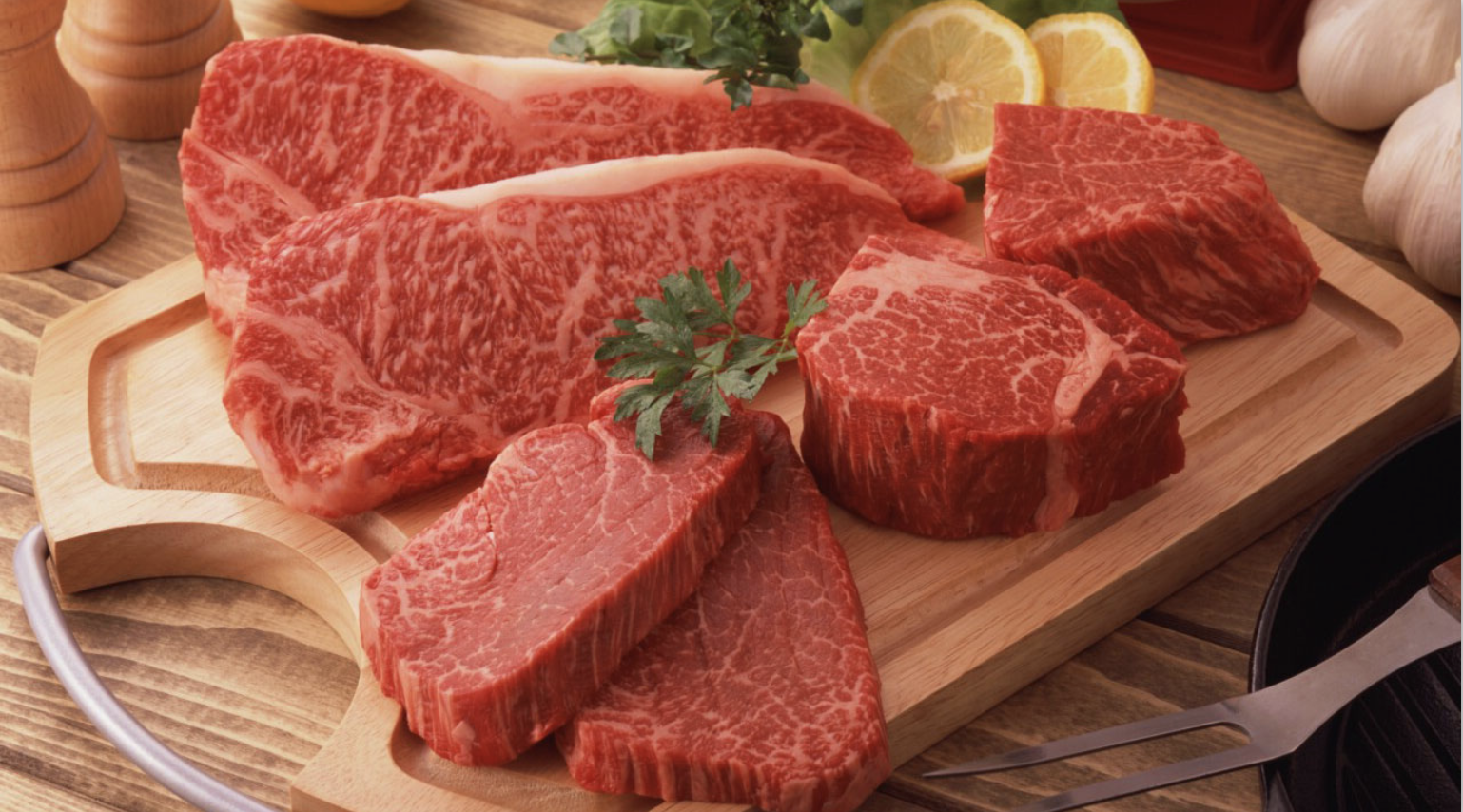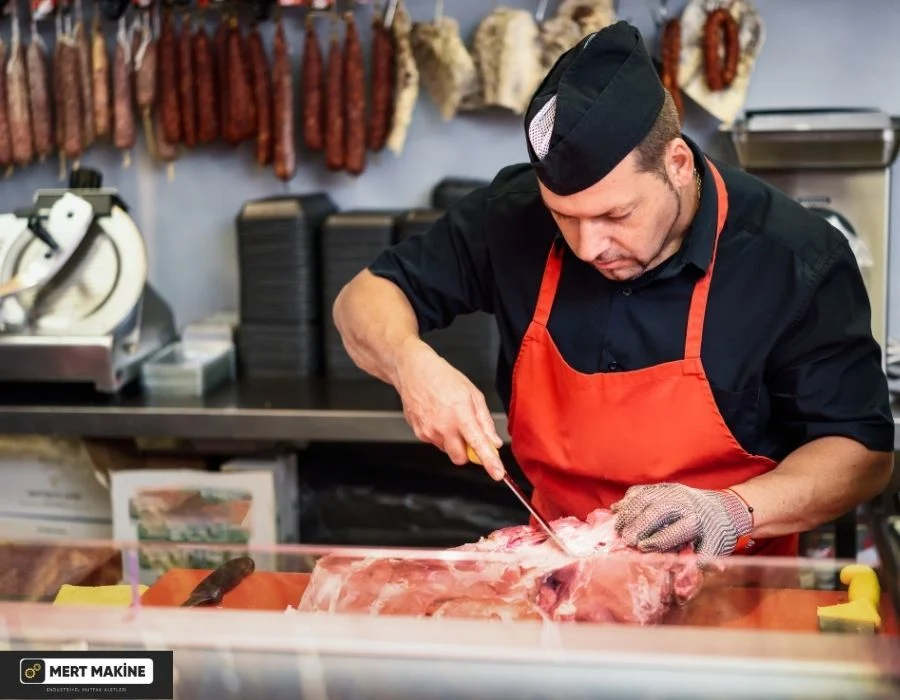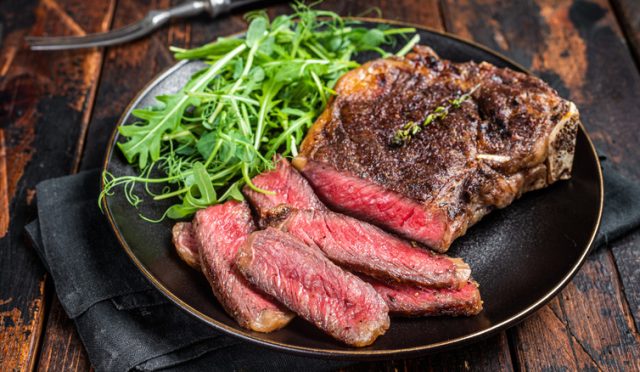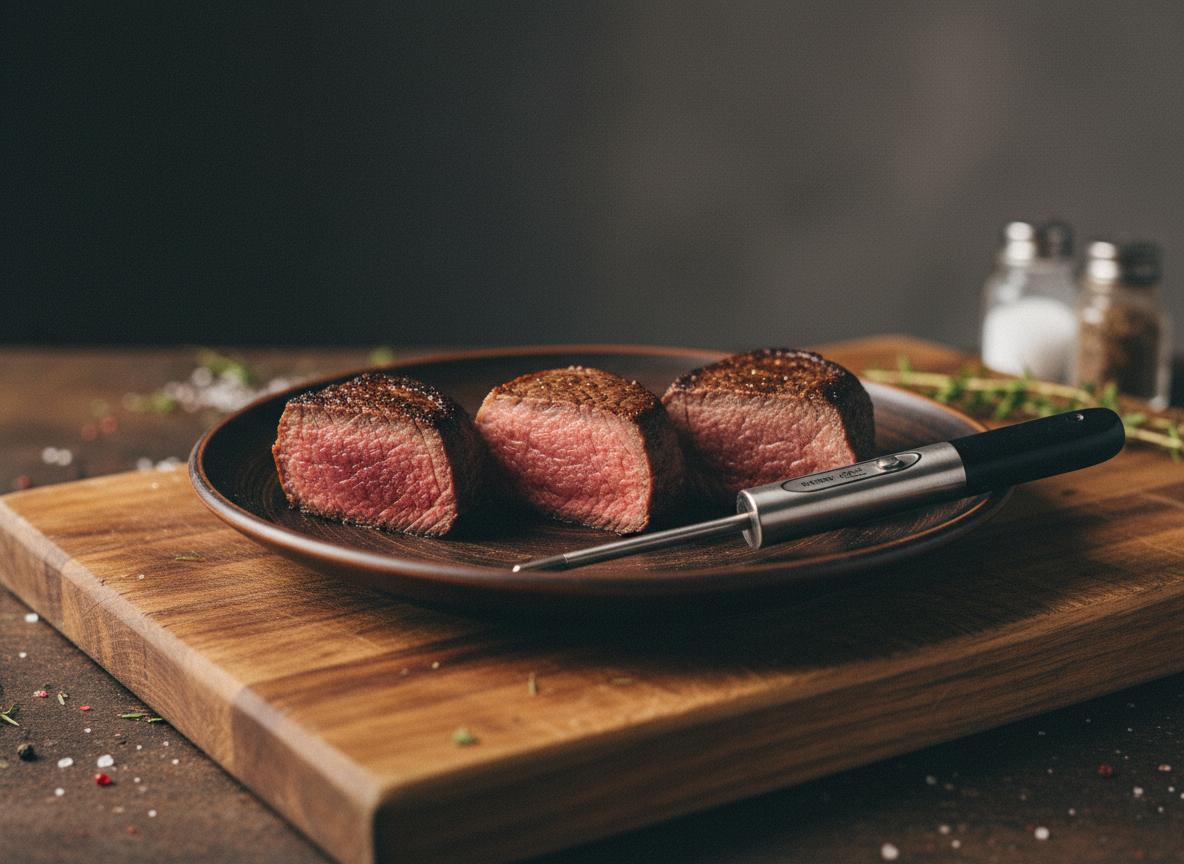


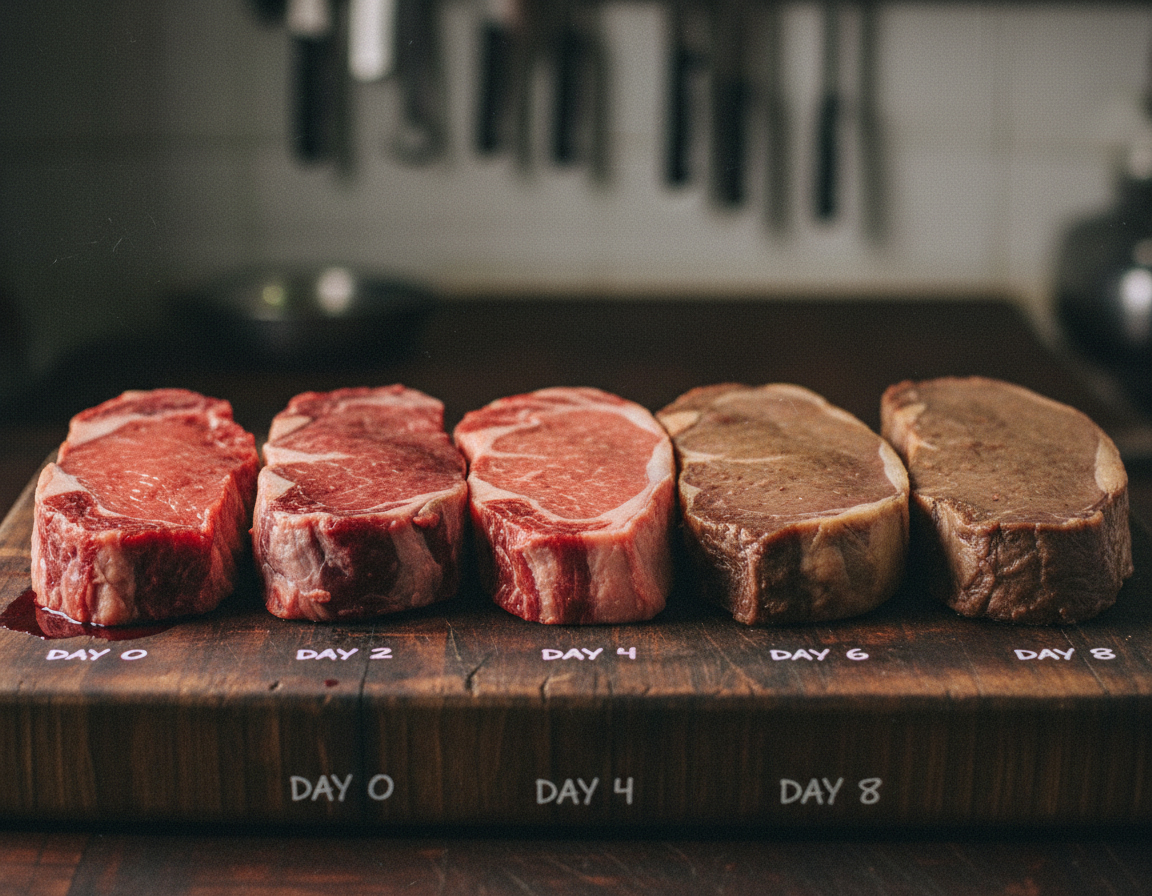
At butcher counters or meat sections, the first thing we usually judge is color. Our eyes are trained for red. Bright, vivid meat feels safe. When we see a brownish piece, we instinctively pull back: “Is this spoiled?” But meat color is not as simple as it seems. Sometimes, under proper conditions, meat that has shifted toward brown can be more flavorful than bright red meat.
This article explains the story behind meat color. Without drowning in technical jargon, but clearly enough to make you say “this matters.” Because meat color is not only visual detail; it signals flavor depth, texture, and cooking behavior.
Why Is Meat Red, and Why Does It Turn Brown?
Meat color comes from a protein called myoglobin in muscle tissue. In simple terms, myoglobin appears bright red when it contacts oxygen. That is why freshly cut or newly opened meat often looks vivid. Over time, as exposure continues, this structure changes and tone gradually darkens toward brown.
Key point: color shift does not automatically mean spoilage. If meat is stored hygienically at correct temperature, browning can be a normal process. In some cases, it even signals maturation.
Is Red Meat Always Better?
Most people answer this automatically with “yes.” In practice, it’s more nuanced. Extremely bright red meat can sometimes be too fresh. Over-fresh meat means muscle fibers may still be tense, which can lead to tougher texture after cooking.
Rested meat often loses some brightness. Red deepens, sometimes approaching brown. During that process, fibers relax, moisture redistributes, and cooking result can become noticeably more tender. So the red your eye seeks doesn’t always match the flavor your palate seeks.
Why Can Browned Meat Deliver Deeper Taste?
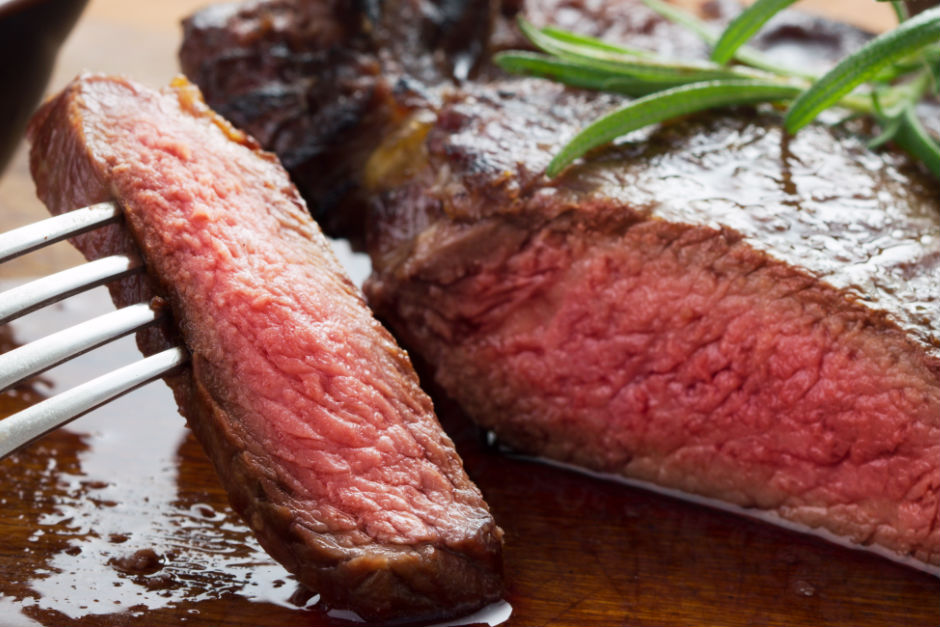
As meat rests, chemical and physical changes occur that deepen flavor, similar to how good cheese or wine gains character with time. Meat moving toward brown tones often gives richer aroma. Once cooked, smell can feel fuller and more “meaty.”
There is an important distinction here: lightly browned meat with clean smell is different from spoiled meat. Spoilage usually reveals itself first through smell, not color. If odor is sharp, sour, and disturbing, stop there. But if only color darkened and aroma remains clean, cooking result can be surprisingly good.
Why Does Restaurant Meat Often Taste Better?
“I buy similar meat at home, but it never tastes like restaurant” is very common. One reason is resting strategy. Good restaurants don’t use meat immediately. They rest it in controlled conditions. During this time color darkens while flavor improves.
At home, meat is often purchased and cooked the same day. It is still very red, meaning very fresh, and may cook tougher. Reading color signals correctly matters here. Not every red piece is saying “I’m ready.”
What Should You Do When You See Brown Meat?
No need to panic, but be conscious. If surface is lightly brown yet smell is clean and texture is not sticky, there is usually no issue. With correct cooking method, this meat can perform better.
But if you see greenish tones, heavy stickiness, and unpleasant odor, now you are dealing with spoilage. Color alone is not enough for final decision, but it is a strong clue.
Why Does Color Darken Further During Cooking?
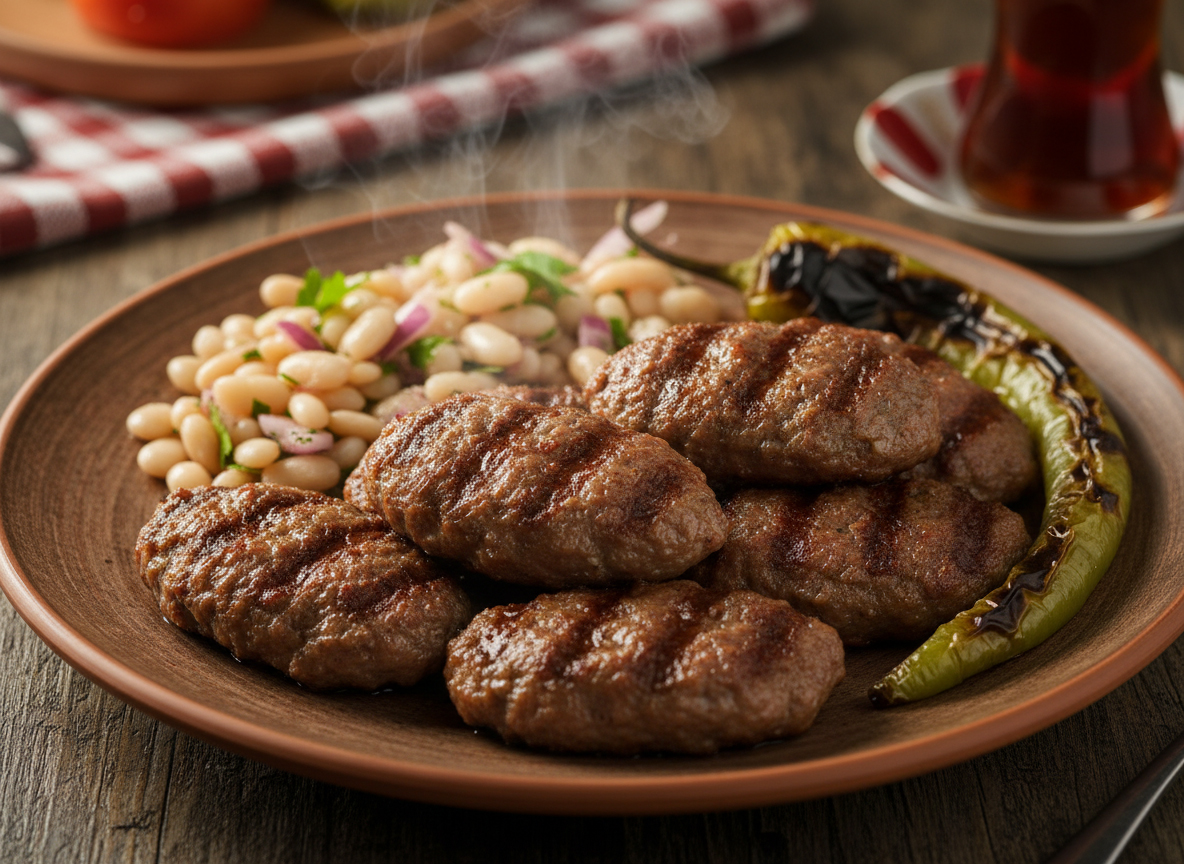
During cooking, Maillard reaction activates. This creates brown tones on surface, and a large part of flavor develops there. So brown is not a color to fear in cooking; it is often the target.
Ideal result is browned exterior with juicy interior. So panic like “it turned brown, did it burn?” is often unnecessary. Burning and proper caramelized browning are very different.
What Do You Gain by Learning Meat-Color Reading?
Making peace with meat color builds confidence in kitchen decisions. Instead of constant “is it spoiled?” anxiety, you learn to interpret signals. That means better-cooked, more flavorful plates.
It also improves shopping choices. Rather than chasing only vivid red pieces everyone grabs, you begin recognizing rested darker-toned quality meats. That moves you ahead in both flavor and experience.
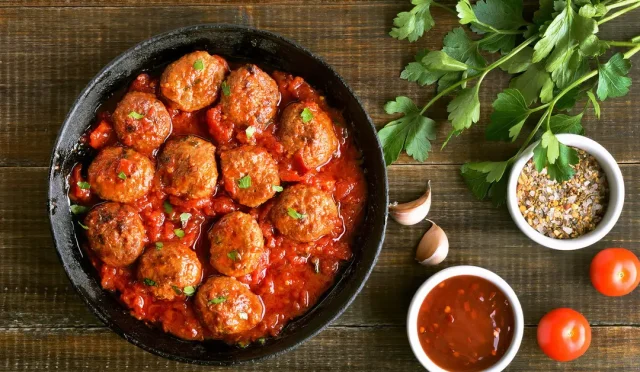
See also: What Mom-Style Meatballs Look Like.
Color Is Not to Fear, It Is to Understand
Meat moving from red to brown is often not a problem, but a process. The hidden, powerful flavor story often appears inside that process. Instead of treating color as enemy, evaluate smell, texture, and storage conditions together.
Next time color makes you hesitate, don’t step back immediately. Pause, observe, smell, think. Sometimes the best flavors are not in what looks brightest at first glance, but in what has matured a little.
Important Note:
There is also a psychological side. Our eyes are trained to accept red as “safe,” so we automatically classify brown as risky. But this is often habit. Just as green and yellow tones in fruit indicate different ripeness stages, meat color should not be judged by a single snapshot.
The more experience you gain with meat, the more you see it not as a static product but as a process-driven food. Then brown-adjacent tones stop feeling scary and may even become a desired sign. Real flavor literacy is often hidden not on the display itself, but in repeated experience.