

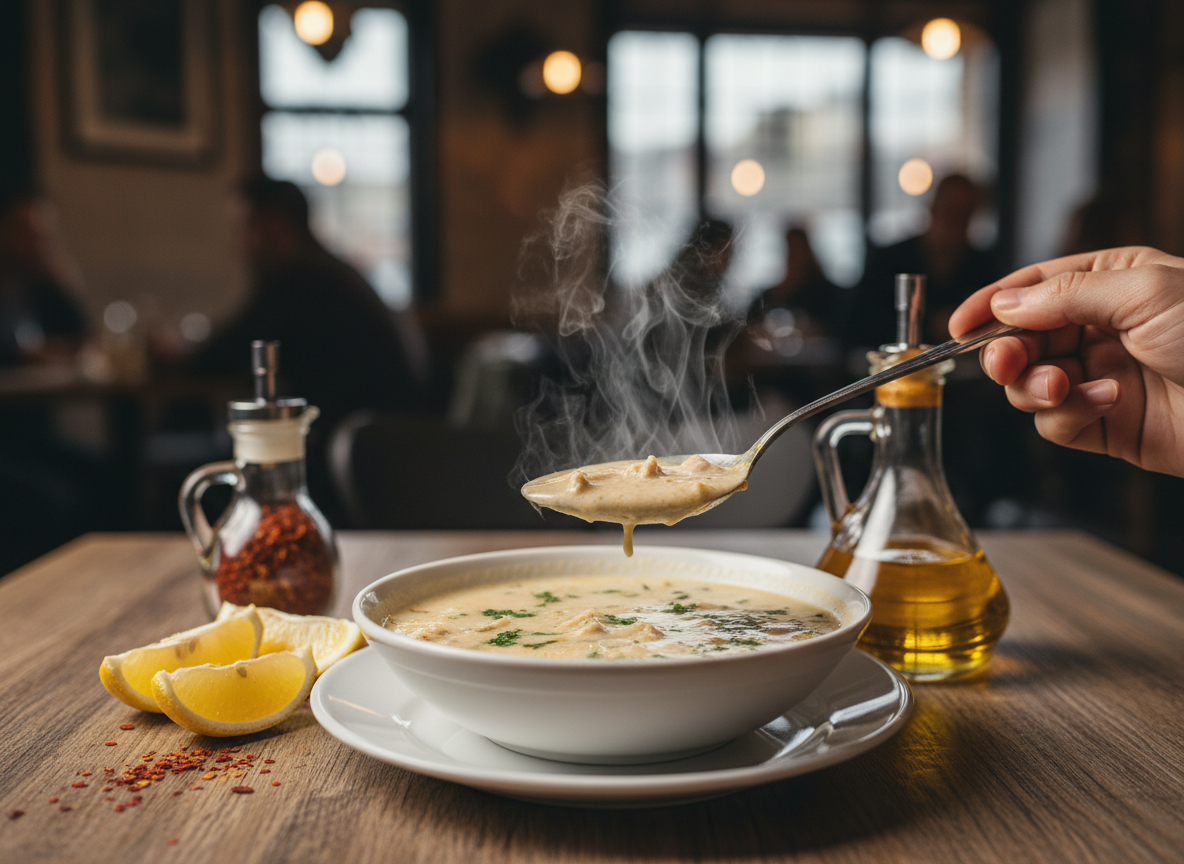
Soup looks innocent, but it doesn’t hide flaws. Same recipe, same pot, same name… yet one soup warms you deeply while another raises doubt in the first spoon. Because if soup is fresh, it speaks; if not, it exposes itself. You don’t even need to enter the kitchen to tell. A few small signals at the table are enough.
In this article, I share three practical freshness tests that help you identify daily-cooked soup at a soup place.
Why Does One Spoon of Soup Say So Much?
Soup is liquid, and liquid foods lose character quickly while waiting. This change appears faster especially in tempered, milk-based, and offal soups. When freshness drops, not only flavor declines, but mouthfeel changes too. That “easy drinking” comfort turns into unease. That is why freshness is foundational in soup enjoyment.
The Biggest Mistake Before Testing Freshness
Many people squeeze lemon immediately, add heavy garlic, or pour spicy oil as soon as soup arrives. But this reflex can mask freshness signals. If you want to evaluate properly, give yourself a small window.
Take first two spoons plain, without additions.
That short moment reveals the soup’s real profile. After that, add whatever you like.
Aroma Is Quiet but Never Lies
When soup arrives, smell it lightly before dipping deep with your spoon. No need to exaggerate. Fresh soup has a clear, direct aroma. Lentil smells like lentil, tripe smells like tripe.
In held-over soup, aroma is either flat or has a subtle sour, heavy, or fridge-like back note. In milk-based and tempered soups especially, your nose gives the first alarm.
Texture Cannot Hide the Truth
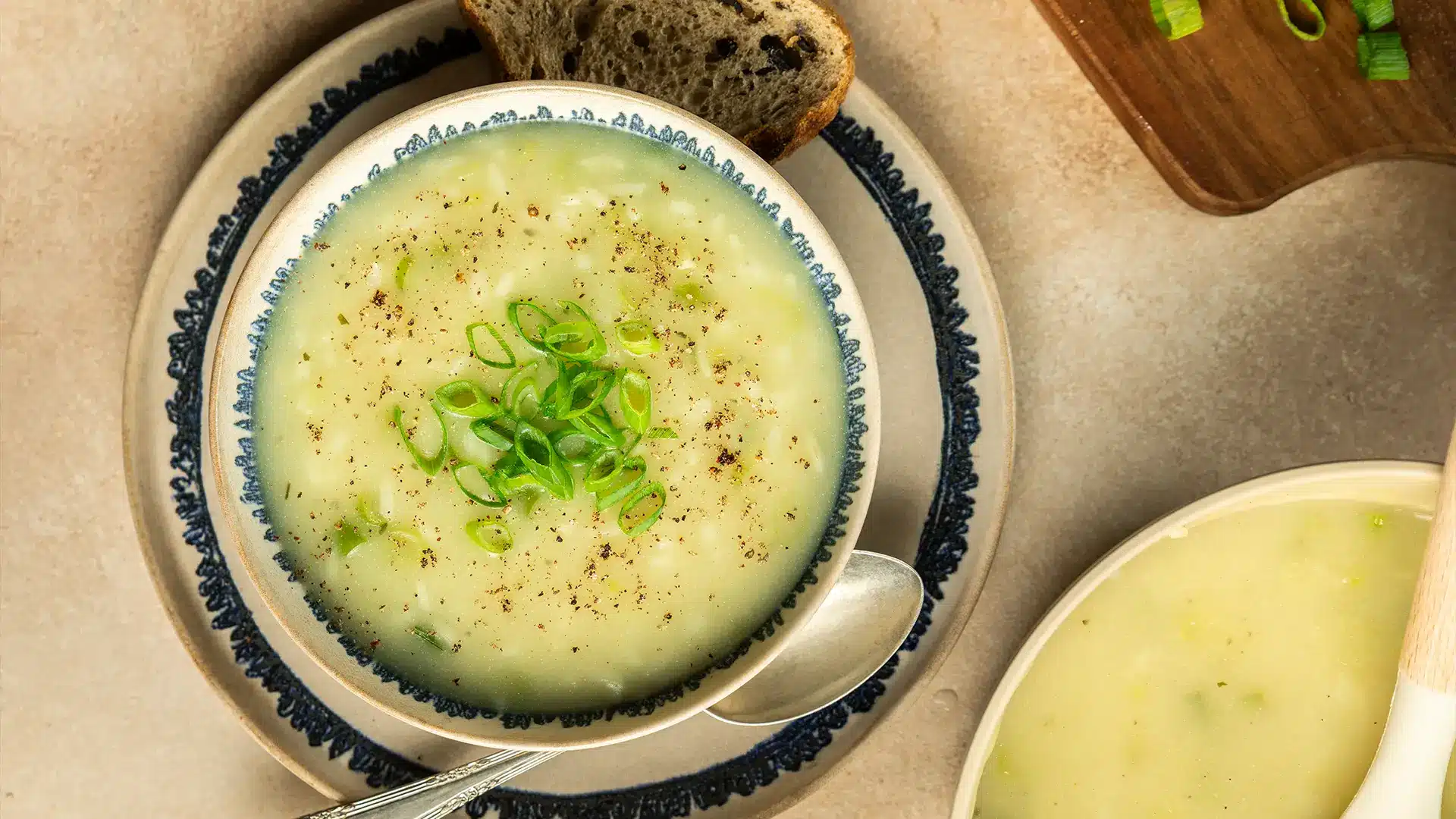
Look at the surface before stirring. Then lift a spoon and let it flow back slowly. Fresh soup feels integrated. Flow is clean, body is balanced.
In older soup, you may see oil pooling on top, thickening near edges, gel-like strands from spoon, or curdled grains in tempered types. These often signal cooling and reheating.
Temperature Reveals Kitchen Discipline
Fresh soup should arrive hot but drinkable. It steams, yet first sip doesn’t punish.
With stale soup, you often see two extremes: too hot because it was aggressively reheated at the end, or lukewarm because it sat waiting. If it only burns, flavor may already be gone. Fresh soup drinks smoother.
Not Every Soup Reveals Freshness at Same Speed
Some soups are more forgiving, some are not. Tripe, trotter, and tempered soups reveal even short waiting times quickly. Legume soups like lentil are slightly more tolerant, but aroma and texture signals still work there too. Knowing where to be stricter helps you stop at the wrong spoon early.
What Is Kuver Charge in Restaurants?
Final Note: Soup Cannot Hide Itself
Freshness testing at soup places is not hard. Smell it, read texture, feel temperature. Three small checks create a big difference. Next time, drink first two spoons plain. Then decide: lemon, vinegar, garlic, or not.
This way you won’t just drink soup, you will actually understand it.
If you want, in the next article I can break down pinpoint freshness signals separately for lentil only or tripe/trotter only.
You should try this soup place.