

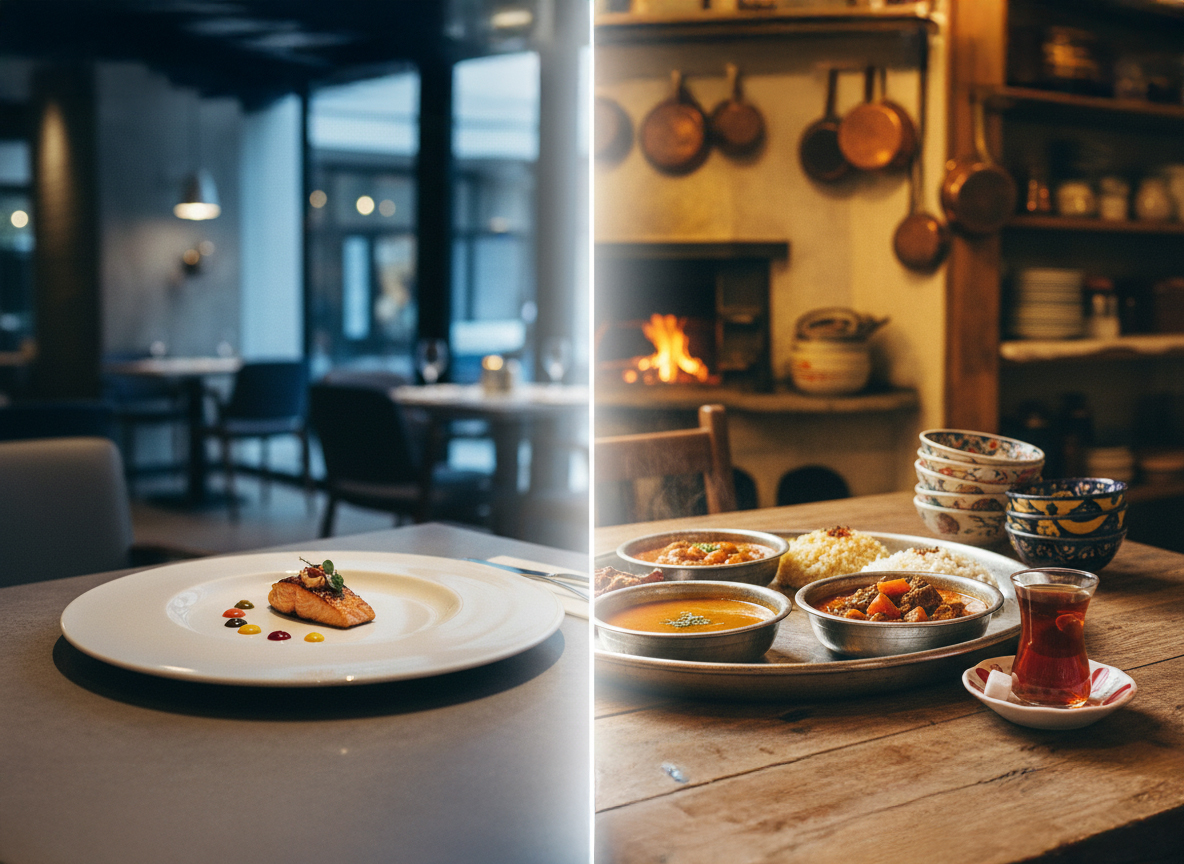
In recent years, as the number of stylish restaurants increased, another thing grew just as fast: longing for traditional eateries. On one side: concrete, glass, open kitchens, minimal plates. On the other: steamed windows, metal trays, a faded Ataturk photo on the wall, and the logic of “we serve what was cooked today.” The interesting part is this: even many people who can afford luxury still consciously choose the second option. This is not only nostalgia. There are deeper, more everyday, and more real reasons.
In this article, let’s discuss the question “Why do we prefer traditional eateries over modern restaurants?” without leaning on social media hype, price tags, or romantic slogans, but through real daily-life examples. Because this choice is often made almost unconsciously.
At a Traditional Eatery, You Mostly Know What You Will Eat
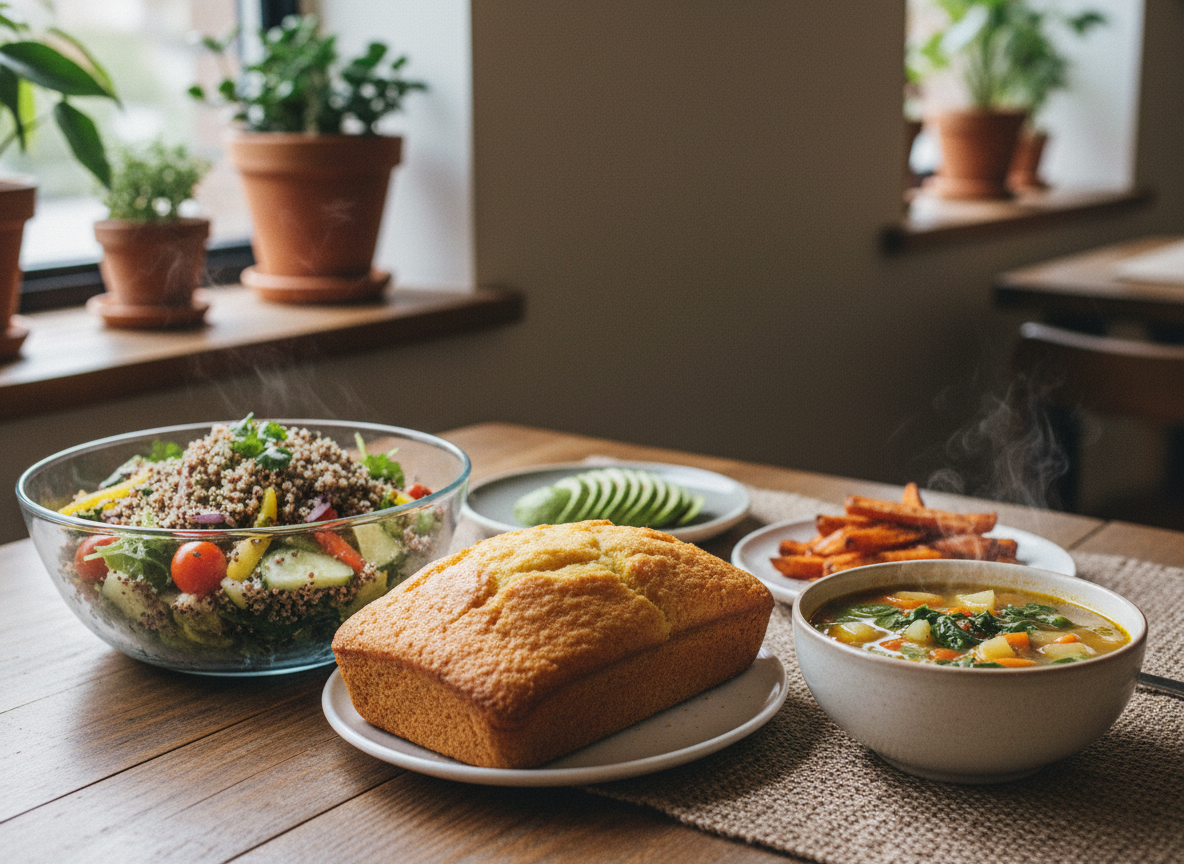
When you enter a traditional eatery, there are usually no big surprises. This is actually an advantage. As you walk in, you already have a rough picture in your mind: soup, stew, rice, maybe meatballs. You don’t study a long menu; you look at the board on the wall or the pots on the counter.
In modern restaurants, things are more complex. Menus are longer, names are ambitious, and content can be vague. “Wood-smoked something” sounds nice, but it can be hard to predict what will actually arrive. In a traditional eatery, this uncertainty is minimal. Food is visible. You don’t need to imagine the dish to decide.
This clarity gives comfort. Especially for someone eating during a work break, at lunch, or with a full mind, this is major relief. It removes the stress of “Will I like this?” In a way, it feeds your mind too.
Flavor Doesn’t Perform, It Quietly Does Its Job
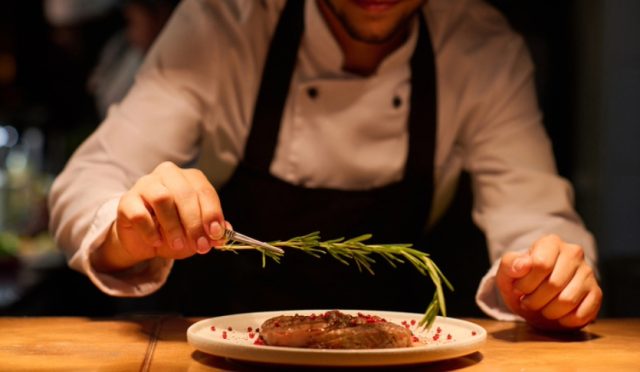
In modern restaurants, flavor often comes bundled with presentation. Beautiful plating, color harmony, photo-ready visuals. But sometimes visual design overtakes taste. In a traditional eatery, food has no such burden. Plate can look simple, even plain, but once you take a bite, you get what you expected.
This difference matters especially for people who eat similar dishes regularly. In traditional eateries, you can eat the same dish on different days without major surprises. There is a standard. That standard does not exhaust you. In modern restaurants, the experience is often one-time. The first visit may be great; the second may not leave the same effect.
There is also this: traditional dishes are flavors the body already knows. Lentil soup, beans, pot-cooked meals… The body is not foreign to them. So post-meal discomfort tends to be lower. That alone is a strong reason for preference.
Price-Satiety Balance Is Easier to Understand
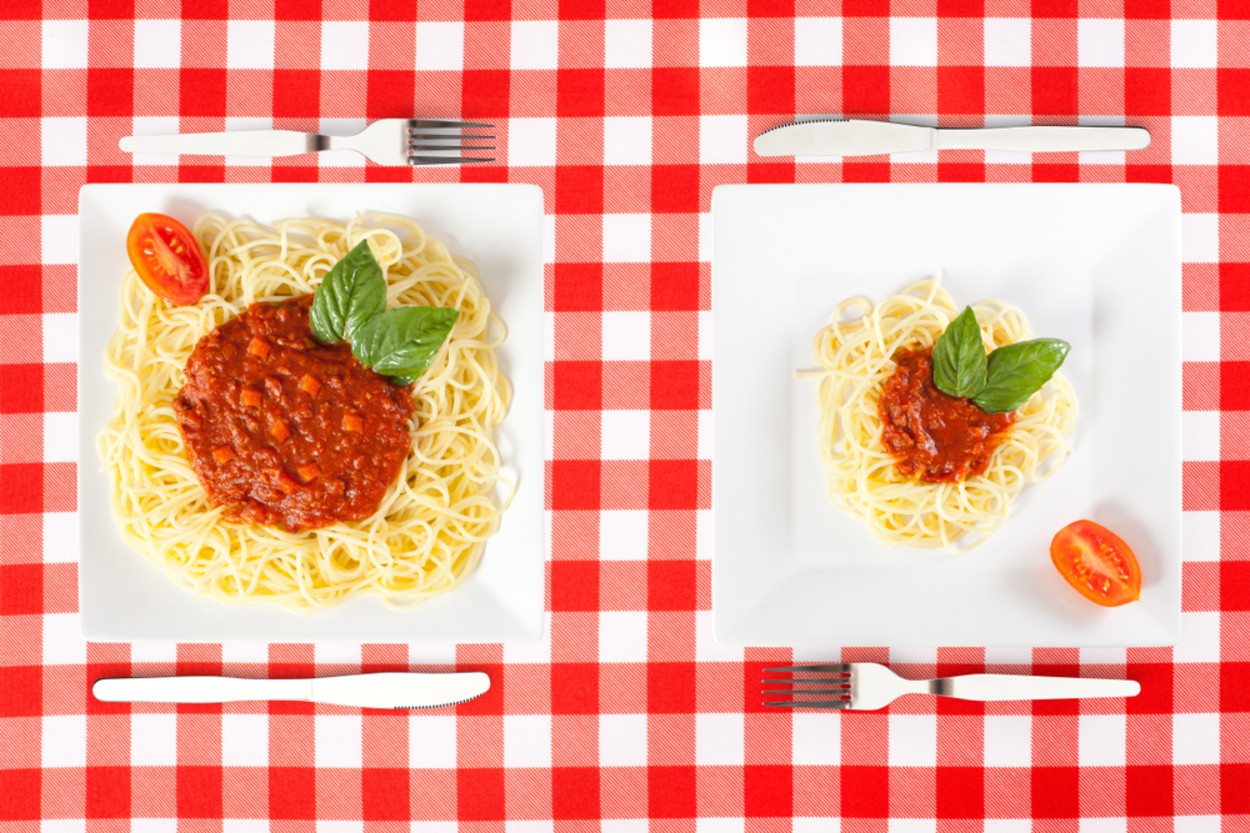
One of the most common criticisms of modern restaurants is price versus satiety. Sometimes what you pay and how full you feel are inversely related. Plate is small, presentation is confident, but you leave the table with a “something is missing” feeling.
This happens less often in traditional eateries. Portions are usually clear. You can roughly predict how full one plate will make you. Rice portions are generous, bread doesn’t disappear from the table. This creates a sense of trust: “I got what I paid for.” That feeling matters.
This preference is not only economic. It is psychological. People don’t buy just flavor when they pay for food; they buy comfort too. Traditional eateries are often more generous in this regard.
The Comfort of Not Needing to Perform a Role
In modern restaurants, people often slip into a subtle role without noticing. What to wear, how to sit, how to talk – a quiet self-awareness appears. That is not always bad, but it is not always wanted either.
Traditional eateries don’t create that pressure. No one expects you to look elegant. You don’t have to be silent. You don’t decorate your sentences while speaking to staff. You simply say, “I’ll take one plate of this,” and it works. This ease is especially valuable in the middle of the day.
Then there is the regular-customer factor. Traditional eateries accumulate regulars. Staff knows you, knows what you drink, sometimes brings it without asking. This relationship is harder in modern restaurants where customers rotate constantly and experiences are often one-off.
A Ritual That Resists Time
Traditional eateries offer ritual: same table, same plate, same order. This repetition is not boring; it is calming. In a life full of uncertainty, food being this clear is relaxing.
Modern restaurants are built on novelty. Menu changes, concept changes, presentation changes. This can be exciting, but that is not always what people seek. Sometimes people just want what they know: familiar taste, familiar smell, familiar order.
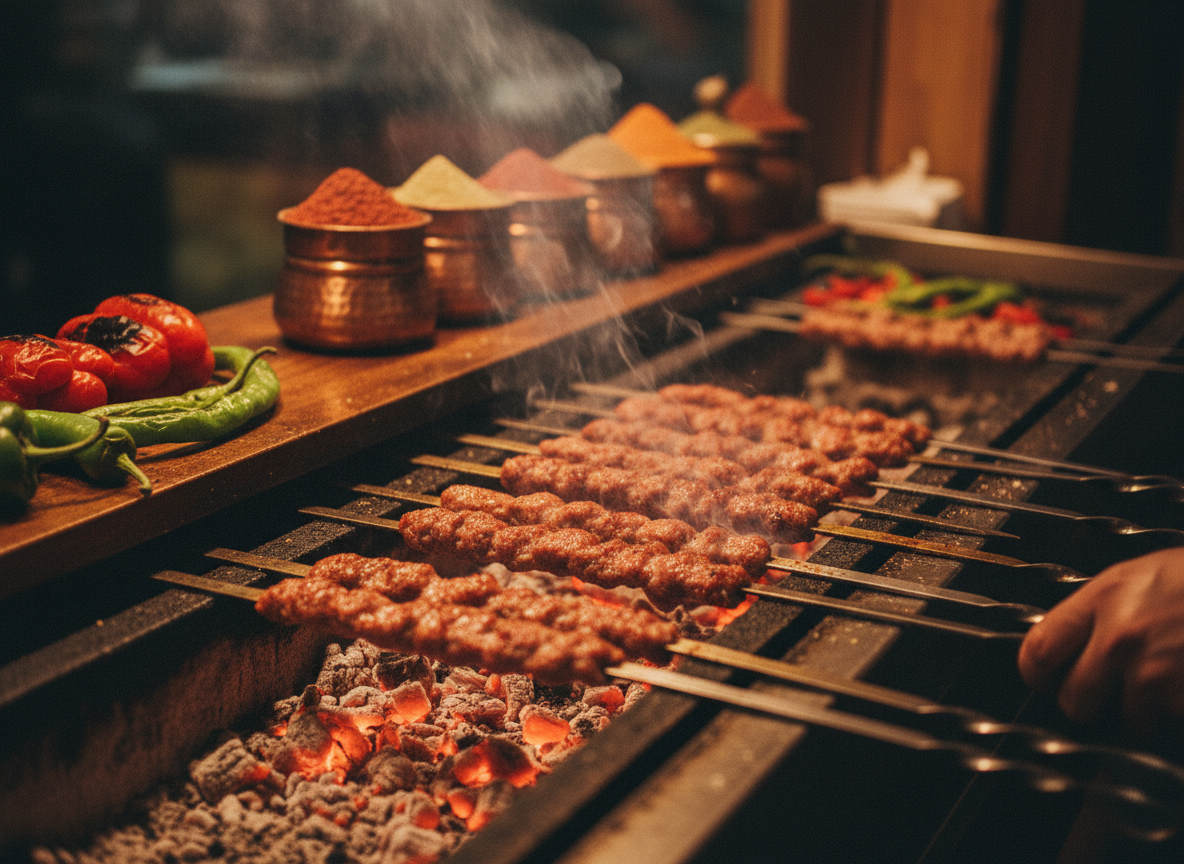
Maybe that is why among dozens of new openings, some small local eateries survive for years. They are not highly visible on social media, they don’t use grand claims, but their doors open every day and their pots boil every day.
So, how do we avoid getting overcharged in modern kitchens?
People do not choose traditional eateries because modern restaurants are always bad, but because traditional places often feel more human. They show less, satisfy more. They explain less, leave stronger memory. And without noticing, people return to the same place again and again. Because some flavors are meant to be preserved, not constantly rediscovered.
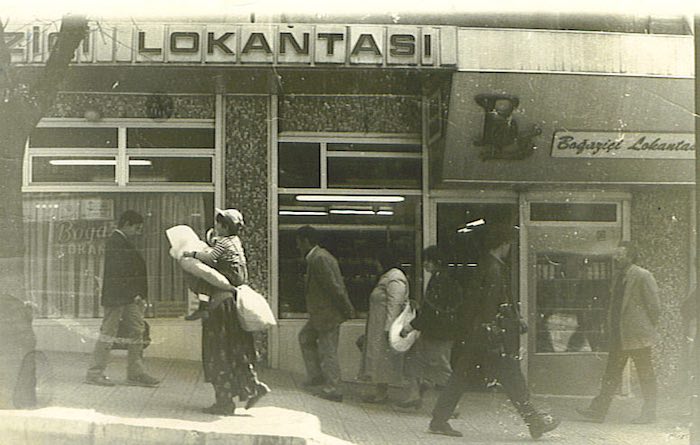
For nostalgic readers, see: Old Bogazici Eatery