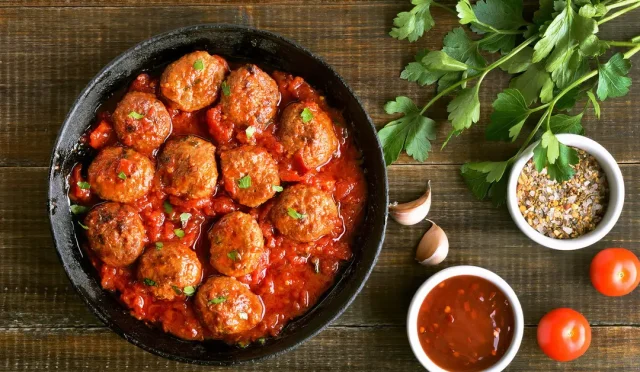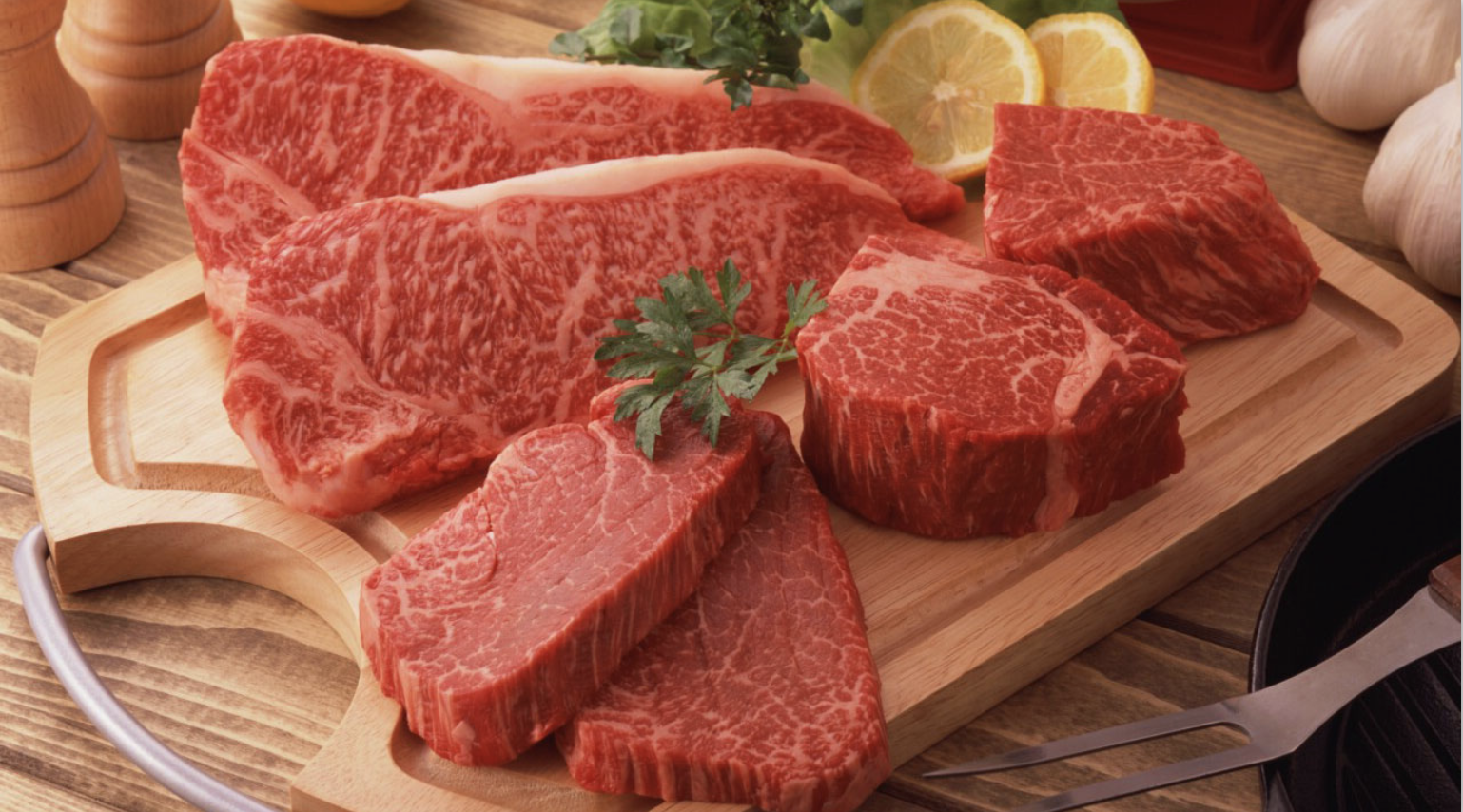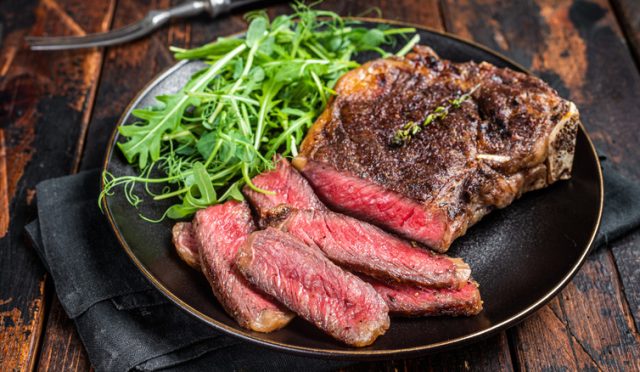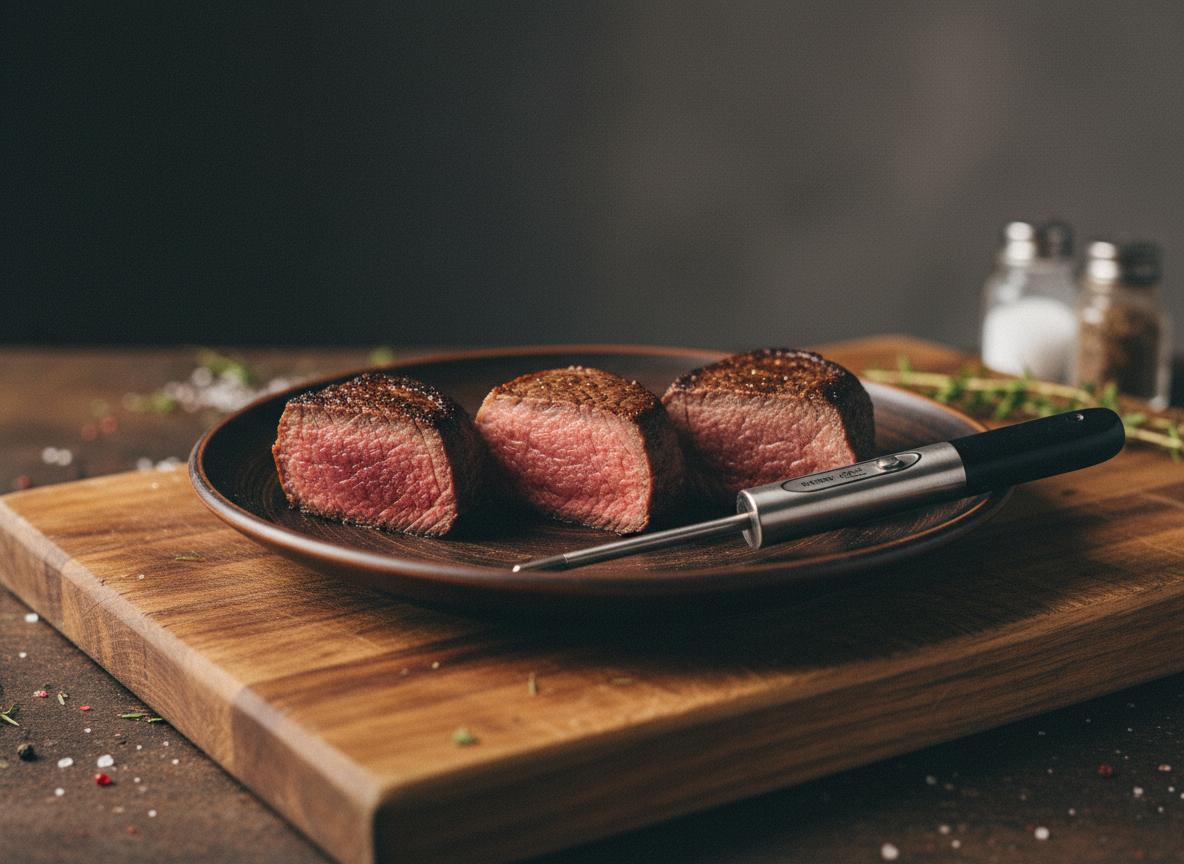


When people hear meatballs, they usually feel the same thing: home, kitchen, childhood, and a familiar aroma. What we call “mom’s meatballs” is not just a dish; it is a feeling of trust. That is why when eating meatballs outside or buying pre-made ones from the market, we naturally ask: Is this really homemade, or factory-made? Both are meatballs, but the difference often appears in the first bite. Still, not everyone can separate them immediately. Pre-made products have improved a lot over the years and learned to imitate a homemade profile.
In this article, I will explain the differences between store-bought meatballs and handmade “mom-style” meatballs without drowning in technical terms, focusing only on what your eyes and palate can detect. With a few signals, you can usually tell whether it is really hand-mixed or not.
Structure Gives the First Clue About Meatball Quality
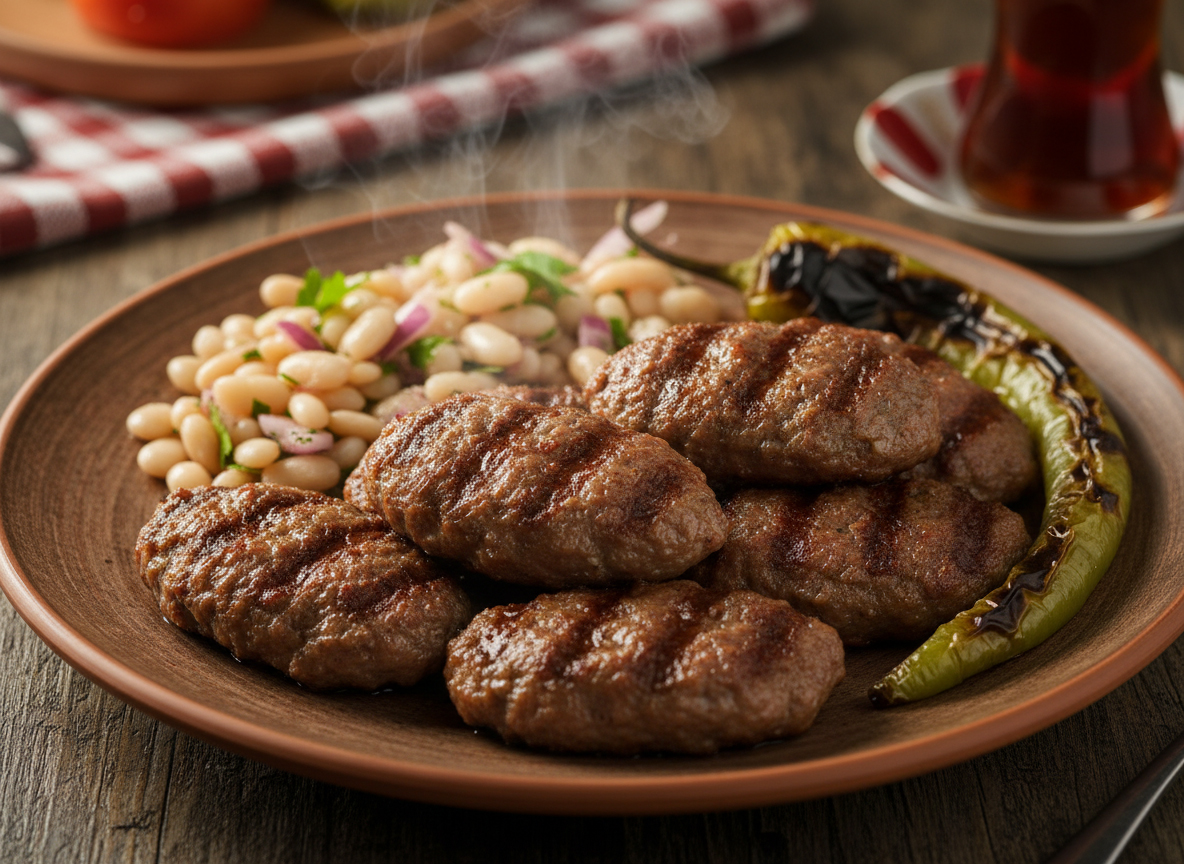
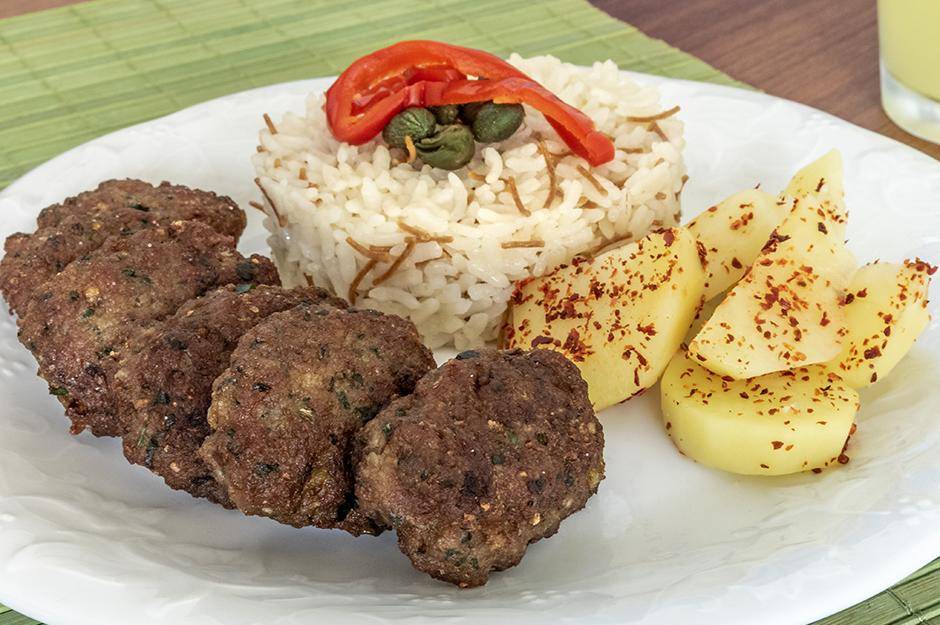
Even before cutting or biting, meatballs say a lot once they are on your plate. Homemade meatballs are usually not perfectly uniform. One may be slightly thicker, another flatter. Edges are not machine-smooth; they are lightly uneven. Because they are shaped by hand.
Store-bought meatballs are often too regular. Same size, same thickness, same color. That is a natural result of production lines. It may look neat, but that small “imperfect” homemade character is missing. That imperfection is actually a strength: it signals real handwork.
Then there is surface texture. Homemade meatballs are usually more matte. Pre-made products may look slightly shiny. This often comes from binders and moisture balance. Shine does not always mean bad quality, but it is less common in true home-style meatballs.
How It Reacts During Cooking Tells You a Lot
Once you place meatballs on a pan or grill, the main differences start appearing. Homemade meatballs usually release moisture gradually. You hear gentle sizzling, but they do not suddenly shrink.
In pre-made meatballs, this is common: they release a lot of liquid immediately. Sometimes they look like they are boiling rather than searing. This often comes from added water, starch, or binding agents. At the end, you notice visible size loss.
There is also aroma behavior. Homemade meatballs fill the kitchen with a soft, familiar smell. Onion, meat, and spice are sensed together. Pre-made meatballs can smell sharper. Sometimes you smell a generic “meatball smell” more than real meat aroma. It is subtle, but noticeable once you pay attention.
Inner Texture: Torn Surface or Smooth Cut?
When you cut or split a meatball, inner texture reveals a lot. Homemade meatballs show a more fibrous structure. The meat identity is clearer. When split, the inside looks irregular and naturally rough.
Pre-made meatballs usually look more homogeneous, almost like a smooth paste. Cut surfaces can appear too flat. You do not get the same natural fiber separation. This often comes from very fine grinding plus binders.
Another key detail is mouthfeel. Homemade meatballs break apart while chewing. You feel meat fibers under your teeth. Pre-made ones can feel springy or slightly rubbery. Even with more chewing, they may act like one compact mass. This difference becomes clearer by the second and third bite.
Flavor Profile: Is Spice Leading, or Meat?
The clearest hallmark of mom-style meatballs is balance. Spices exist but do not shout. Cumin, black pepper, maybe a touch of chili flakes. They support the meat; meat stays center stage.
In pre-made meatballs, spice is often more dominant. One reason is to standardize flavor despite meat-quality variation. First bite may feel tasty, but after a few bites, flavor can become monotone.
Salt level is another clue. Homemade meatballs usually carry softer salinity. Pre-made ones are often saltier, because salt helps shelf life and flavor consistency.
Onion and Bread-Crumb Balance
Onion is always debated in homemade meatballs. Some grate it, some mince lightly. But the common point is this: onion melts into the mixture. It does not appear as separate chunks. You do not think “I ate onion”; you just feel juiciness.
In pre-made meatballs, onion sometimes comes too forward. Or the opposite: you do not taste real onion, but a mild sweet note remains, sometimes from onion powder or flavoring.
Bread-crumb logic is similar. In homemade meatballs, bread helps tenderness, not bulk filling. Too much bread turns it into something else. In pre-made products, bread or similar binders are often used more heavily. That may increase fullness, but reduce meat identity.
The Feeling Left After Eating
Perhaps the clearest difference appears here. Homemade meatballs usually do not feel heavy afterward. They satisfy but do not tire. You may even feel like taking one more. Pre-made ones can cause earlier bloating, thirst, or mild stomach discomfort.
This is mostly ingredient-driven: fewer additives, simpler composition, and familiar structure. That is the advantage of mom-style meatballs. Your body “recognizes” them.
For readers on tight budgets, here is our article that turns this into a gourmet strategy: Become gourmet with less money.
This does not mean pre-made meatballs are automatically bad. They are practical and often useful for busy schedules. But knowing what you eat is always an advantage. If you pay attention to shape, cooking behavior, inner texture, and post-meal feeling, distinguishing the two is not difficult. After a while, you can usually tell from the first bite. Because as palate learns, it becomes more selective.