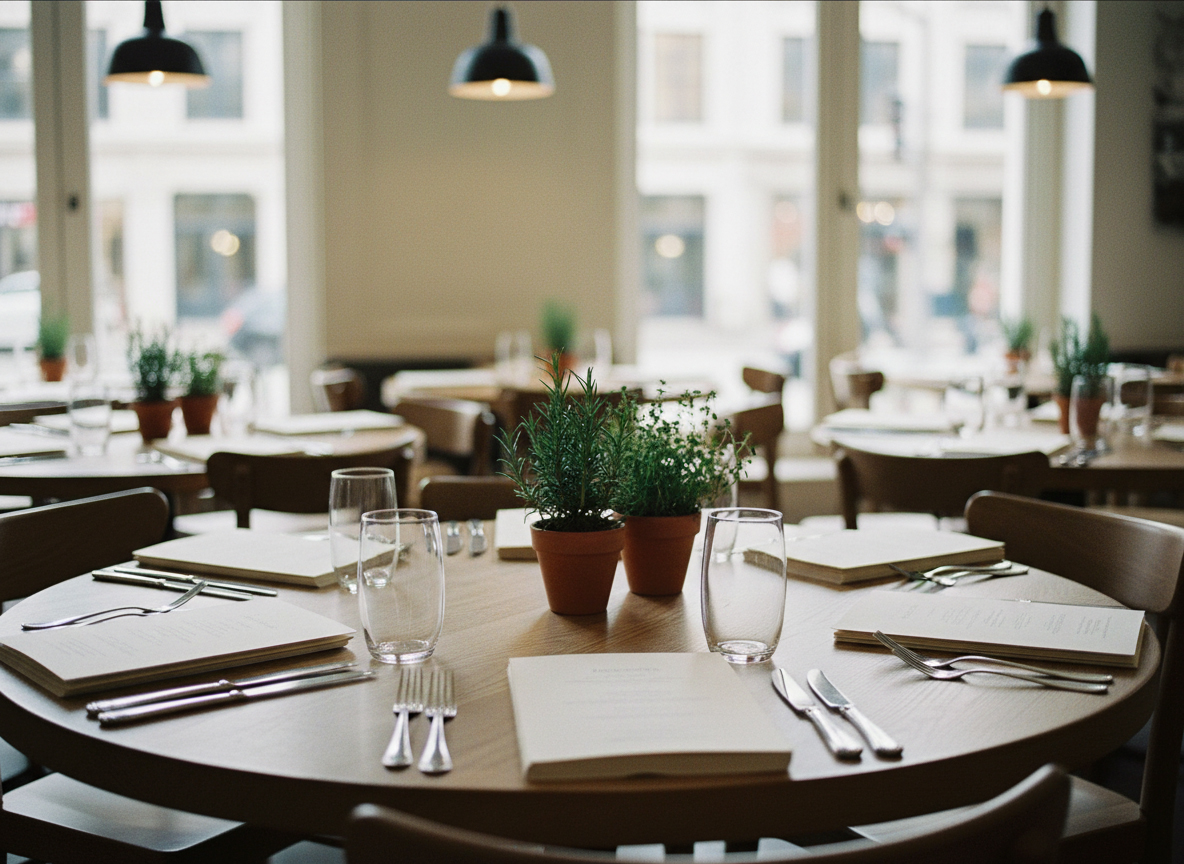


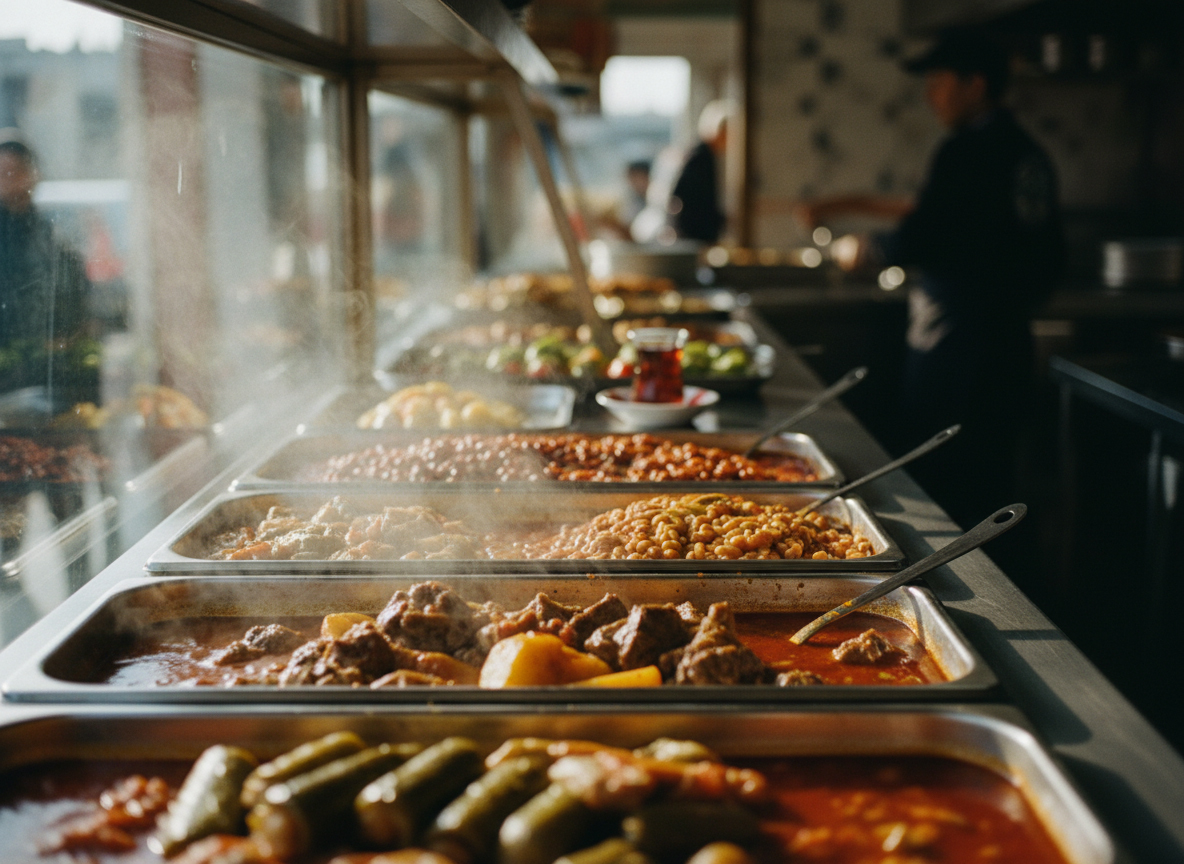
When people hear “tradesman restaurant,” the same scene comes to mind. Pots lined up behind the counter. Steam lightly fogging the glass. A quiet rush inside. Some eat quickly, some sip soup slowly. But the main point is this: many places look like tradesman restaurants. Truly good ones create a different feeling.
Whether you are a gourmet or simply someone who loves good food, you do not need to memorize endless “best local eateries” lists. A good tradesman restaurant does not hide its clues. Regulars already follow those signs. Now let’s discuss those signs, the 5 golden rules known by regular customers.
The spirit of a tradesman restaurant starts with knowing what to look for
Before we dive in, one quick transition. Expectation in a tradesman restaurant is not “stylish decor and a long menu.” It is the opposite: daily meals, fast service, solid portions, and consistent trust.
A good tradesman restaurant usually promises this: “Whatever is served today is fresh, properly cooked, satisfying, and not exhausting.”
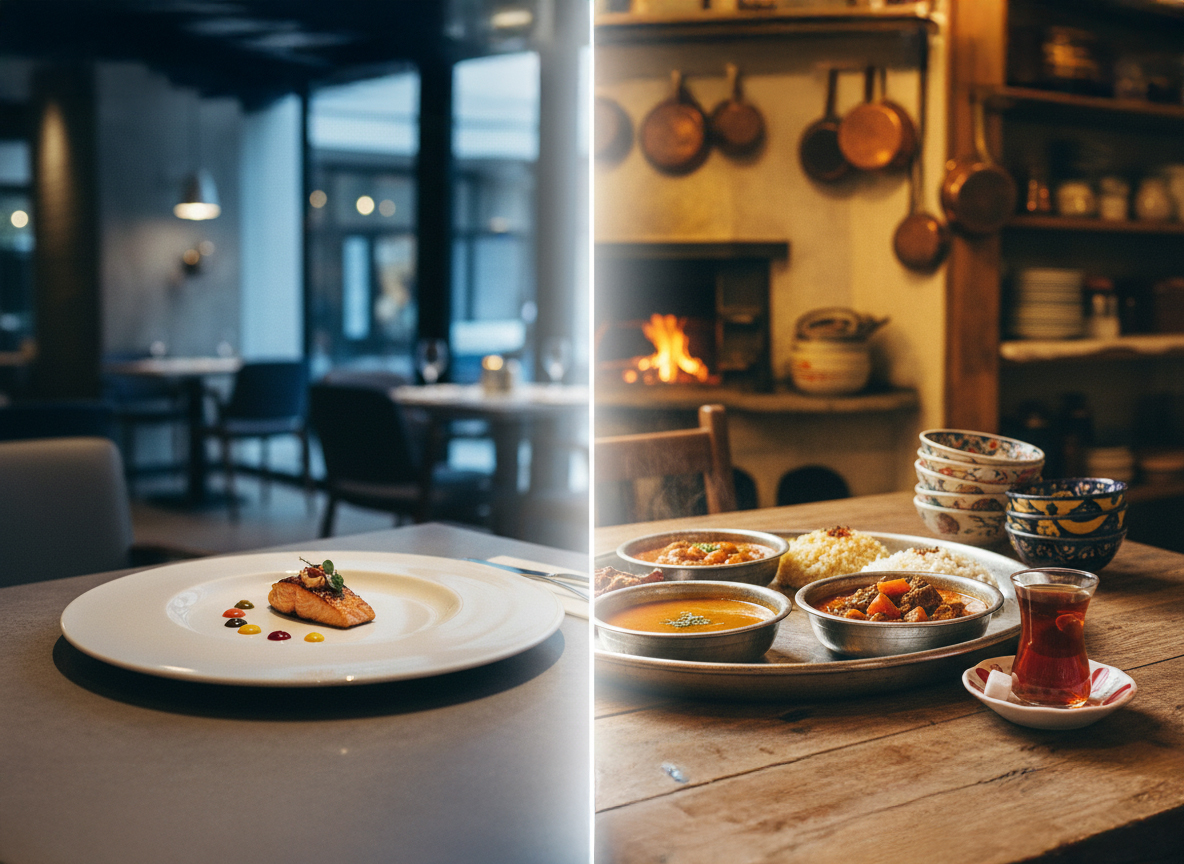
Difference between a tradesman restaurant and an ordinary restaurant
Every restaurant serves food. But a tradesman restaurant usually combines three things:
Regular customers.
Fast pot turnover (food does not sit waiting).
Simple but clear flavor (craft over show).
If you keep this difference in mind, the rules below become easier to spot.
- Golden rule: Who is eating there at lunch?
Let’s start with the first rule. This naturally sets up the next step, because the fastest way to understand a good restaurant is to watch the tables, not the menu.
A good tradesman restaurant is not “randomly” full at noon. It is usually filled by nearby workers, shop owners, couriers, and craftsmen. That tells you a lot.
Why is this important?
Because working locals are people who eat in the same places daily. They do not waste money and time on bad food. They do not come to “try once.” They know where to eat what.
Small hint: if the place is lively between 12:00 and 14:00, kitchen turnover is fast. Fast turnover means higher freshness probability.
Who benefits from this rule?
If you think like a gourmet, you are looking for daily consistency, not flashy signs. This rule is especially valuable for quick decisions in unfamiliar areas.
- Golden rule: Is there real pot turnover?
As we move to the second rule, think of this: the tradesman-restaurant counter is not just a display. It is a rhythm indicator.
Having many dishes on display is not always good news. Sometimes it is the opposite. Too much variety may mean slow turnover.
What does it show?
Pot turnover shows that food is not waiting. What is cooked is consumed, then renewed. This is even more critical for:
Stews.
Rice.
Vegetable dishes like green beans and mixed vegetables.
Meat dishes.
How can you tell visually? Is there a hardened layer on top of pots? Are counter edges dried out? Are ladles clean? These simple details create major quality differences between places.
Mini example
Imagine two tradesman restaurants on the same street. One has a full counter, but nobody looks at it. The other has fewer options, but new plates appear every 10 minutes. It is not hard to guess where regulars will go.
- Golden rule: Soup and rice are like a test drive
Now the third rule. This is a favorite for food lovers because simple food cannot hide quality.
At a tradesman restaurant, soup and rice act like a test drive. No elegant plating, no sauce tricks, no decoration. Just craftsmanship.
Why is this important?
Soup reveals kitchen cleanliness and balance. Too salty? How is oil balance? Is texture natural? Rice reveals technique: grainy or mushy? Any stale smell?
If a place has:
Smooth and balanced lentil soup.
Grainy, fresh-smelling rice.
Cold and fresh ayran.
Then kitchen discipline is likely strong.
Who is this good for?
If you say “I love trying new places but I cannot tolerate disappointment,” start with soup and rice first. Then move to the main dish.
- Golden rule: Focus on service consistency, not only speed
The fourth rule is often overlooked. Speed is great, but a tradesman restaurant should be not only fast, but consistent.
Important note: smooth service even during rush hours shows harmony between kitchen and floor.
What does consistency provide?
Side items are not forgotten.
Forks and knives arrive clean.
Order and flow remain stable.
Staff do not hesitate when recommending dishes.
If staff run operations without constantly checking each other, there is system. If there is system, flavor standard is usually better too.
Small signal
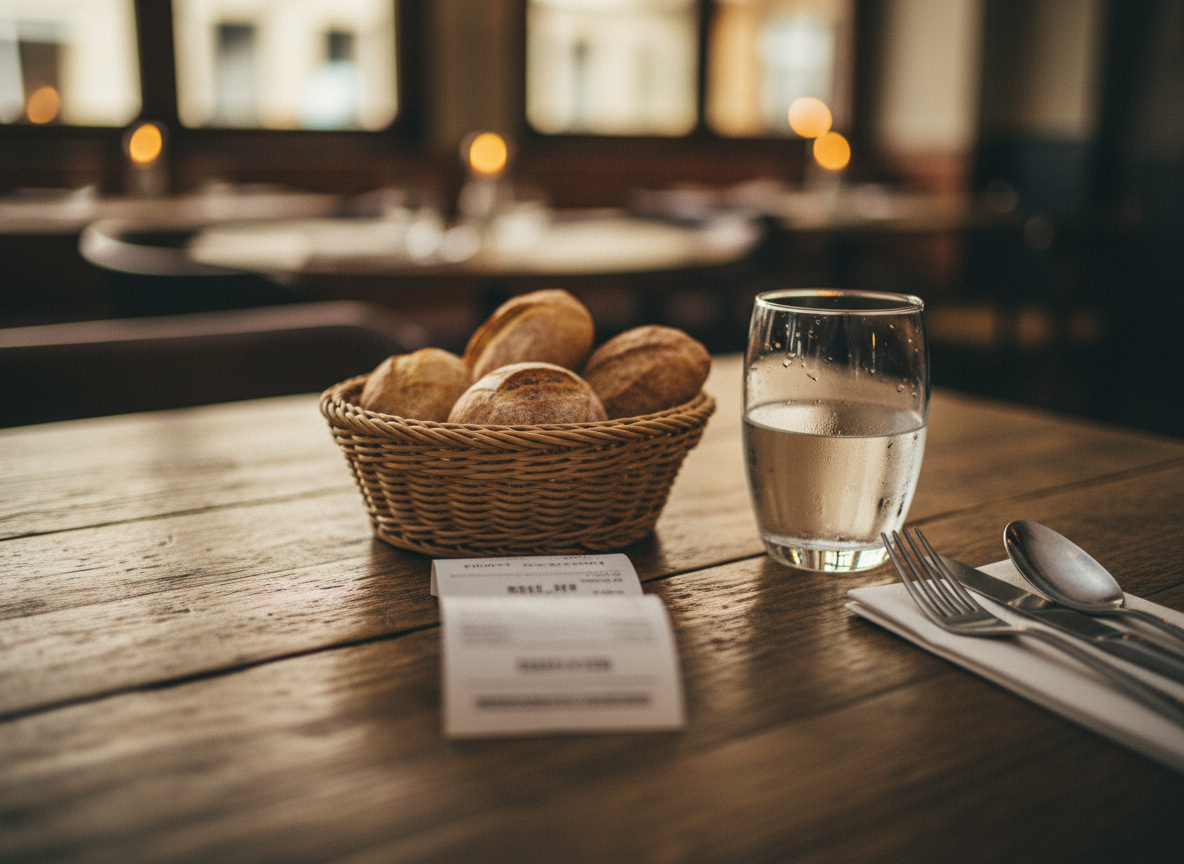
Is the bread basket regularly refreshed? Are water glasses spotless? Are tables wiped fast but careless, or fast and careful? These seem small, but together they build trust.
- Golden rule: Copy regular-customer behavior
Final rule, the regulars’ secret weapon. By now, all pieces come together because the best tradesman restaurants are understood through regulars.
What do regulars do?
They scan the counter quickly without overthinking.
They ask about specific dishes: “How is the chickpea today?”
If there is dessert, they often choose a known favorite.
They are not surprised by portion and price.
Why does this matter?
Because regulars are the live review of that restaurant. Think of them like real-time Google reviews. If 5 people order the same dish at the same time, that dish is very likely good that day.
Practical tactic
If you are alone and undecided, one sentence works:
“What is ordered most here?”
In a good tradesman restaurant, answer comes clearly. Everyone knows. “Beans over rice,” or “Today’s Izmir meatballs are very good.”
Bonus: Quick checklist for the best tradesman restaurants
Let’s summarize with a mini list that is easy to remember:
Is lunch crowd real or empty?
Are options fewer but turnover fast?
Are soup, rice, and ayran solid?
Is service orderly and cleaning consistent?
What are regulars saying and eating?
After using this list once, it starts working like instinct between different restaurants.
Conclusion: A good tradesman restaurant is about trust, not show
A good tradesman restaurant does not try to impress you. It feeds you well. Your stomach feels comfortable. Your budget survives. Most importantly, it leaves you wanting to return.
If you are in a new area today, look for rhythm before signage. Who is eating there? Are pots turning? How are soup and rice? These five golden rules usually point to the right address.
Do you have your own criterion for “my ideal tradesman restaurant”? On your next visit, note which of these rules helped you most. Those notes will build your personal map of great local eateries.