

Eating out is enjoyable. Sometimes it’s an excuse to meet friends, sometimes a reward after a busy day, and sometimes simply a “I won’t deal with the kitchen today” choice. But there is one reality at the end of the day: restaurants, cafes, and delivery apps can quietly drain your budget. Most of the time, we don’t even notice. Small expenses combine into a big number.
The goal of this guide is simple: make saving money possible without quitting eating out completely. And do it without losing the pleasure. Let’s go step by step.
Saving money does not mean staying hungry. Set the right target first
Before we move on, let’s clarify this. When people hear “saving,” they think “restriction.” But this guide is not about eating less. It’s about spending smarter.
First step: set a small framework for yourself. For example, how many times per week you’ll eat out, and your average meal budget. Once these two numbers are clear, decisions become much easier.
Why does this matter?
Because saving without a clear target often turns into guilt. You get mad at yourself with “I ate out again.” But with a plan, you say: “I’m eating out today because it’s within this week’s plan.” Mental pressure drops.
Who is this for?
Anyone who enjoys eating out but wonders at month-end, “Where did my money go?” Students and professionals alike. Especially people who frequently order delivery will see quick results.
Make a smart prep before looking at the menu
Now the practical part starts. Because the biggest savings often begin before you even arrive at the restaurant.
Don’t go hungry. The most expensive decisions are made while hungry
When you are hungry, your eyes grow, portions grow, and the basket grows. Then “let’s add one more thing” starts. So having a small snack before heading out helps a lot. A fruit, a handful of nuts, or yogurt.
This does not ruin eating out. It just improves decision quality.
Decide your drink in advance
In many places, the real money goes to drinks. Food price looks stable, but once two beverages are added, the bill rises noticeably.
Set a simple rule:
“When I eat out, I’ll choose water. Special drinks only once a week.”
That’s it. Easy and effective.
The hidden key to saving at restaurants: smart ordering
Prep is done. You’re seated. The strongest move now is ordering correctly.
Here is a related read: Choosing the Right Tradesman Restaurant.
Sharing culture: both enjoyable and economical
If you are eating with friends, sharing makes saving easier. Instead of everyone ordering separate full mains:
One shared starter.
One main course.
A side salad.
This gives variety and reduces waste. It also makes conversation more enjoyable because everyone tastes from the same table spread.
Learn the portion game. Bigger portions are not always better value
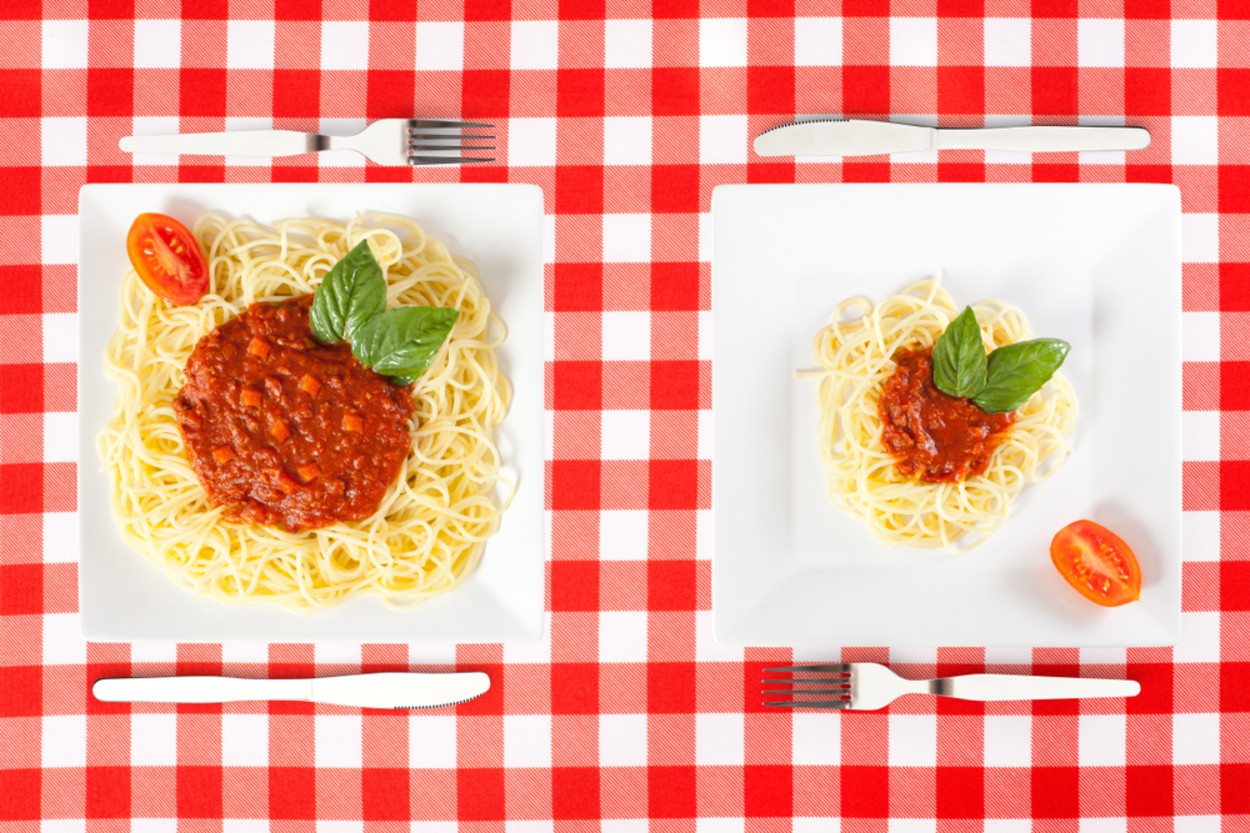
Some places impress with oversized portions, but half of it gets wasted. In many cases, a standard portion is enough.
Try this: choose “regular” instead of “largest” for the first order. If it’s truly not enough, add a small extra. This prevents over-ordering most of the time.
Daily menu, local eateries, and set menus
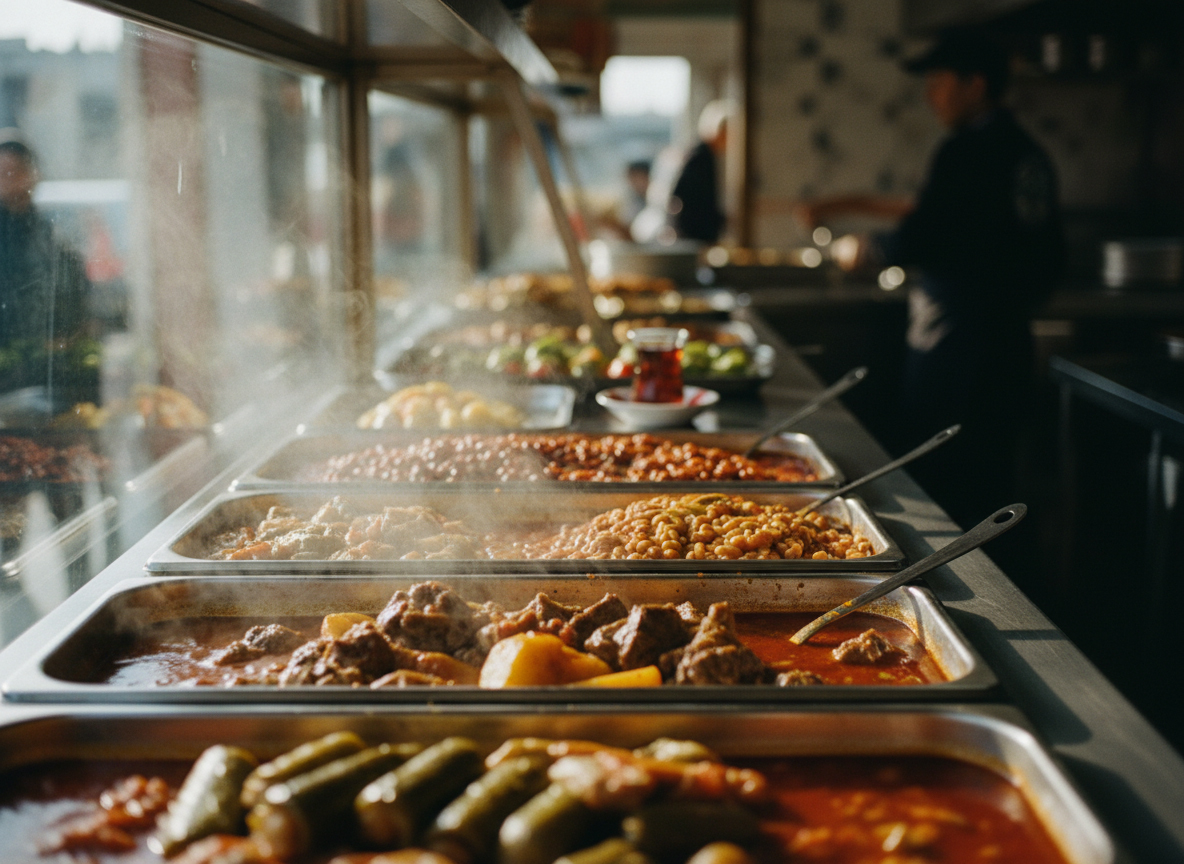
One of the safest ways to save money while eating out is using daily menu options. Especially in traditional local eateries.
Soup + main + rice + salad combinations.
More balanced pricing.
Satisfying portions.
Important question: “Is this menu fresh?” In crowded lunch-hour places, freshness tends to be higher because turnover is faster.
Delivery apps: advantage or trap?
Now we get to the section everyone lives with: delivery apps. They can save money or make you spend more.
Cart inflation trap
Apps constantly nudge: add fries, dessert, drink, sauce. Each looks small, total gets big.
Set this rule:
“My cart contains only the main item. Extras only twice per month.”
Simple and effective.
Watch minimum order and delivery fees
People often add unnecessary items just to pass minimum order thresholds.
Better options:
Order together with a nearby friend.
Plan leftovers for next day’s lunch.
Compare delivery fee; sometimes pickup is cheaper.
Use discounts, but don’t order because of discounts
Biggest mistake: ordering only because there’s a campaign. Correct approach: if you already planned to eat, use the discount. Don’t let the campaign control you.
Best long-term saving method: frequency and routine management
Now a more strategic section. Saving is not a one-time action. It’s a routine.
Set “eating-out days”
2 days per week eating out.
1 day for coffee/dessert enjoyment.
Other days with fast home alternatives.
This system helps budget and psychology. No strict bans, just structure.
Keep quick home options ready
The key is not cooking huge meals every day. It’s having fast options available:
Frozen vegetables.
Canned legumes.
Tuna.
Yogurt, cheese, eggs.
You can build a meal in 10 minutes. That reduces urge to order out that day and makes saving natural.
Price-performance choices that actually work
Think like this: cheapest is not always true saving. Filling and quality options are real saving.
Recognize filling choices
Some items keep you full longer for the same price:
Legume dishes.
Soup plus rice.
Protein-rich options like chicken salad.
Wraps that satisfy better than overpriced sandwiches.
These choices help you avoid the “I’m hungry again in 2 hours” cycle.
Water, ayran, tea: small change, big effect
Drink spending is a major hidden cost many people miss. Add one coffee, one soft drink, and one dessert, and food price becomes secondary.
Sometimes the smartest move is this: meal outside, dessert at home. Or coffee at home before going out.
You can save money without killing your social life
This part is critical for many people. Eating out is not only food; it’s social connection. Keep this sentence in mind: saving money is not withdrawing from people.
Choose venues strategically
Not every meetup has to be at the trendiest place. Choosing a quieter but good venue often means:
Lower bills.
Better conversations.
Fewer impulse extras.
Sometimes even changing the plan to “walk first, eat later” shortens meal duration and lowers total spending.
Keep the joy of eating out, not the chaos in your budget
Saving money while eating out is possible with a few small habits: don’t go hungry, control drinks, share plates, use daily menus and local eateries, and control delivery carts. Each looks small, but together they create real impact.
Pick one step today and test it. For example, keep drinks simple for a week. Or set your eating-out days. Then compare what changed in your budget. If you want, leave yourself a note like: “This worked best for me.” That makes building your own saving system much easier.
I’m not the only one saying this, even banks talk about savings. See this piece from Kuveyt Turk Bank on simple saving habits.