

Eating out is enjoyable. Meeting friends, taking a quick break between work blocks, or simply treating yourself with a “I’m not cooking today” decision. But when calorie control comes up, things get confusing. At home, you know what goes into your food. At a restaurant, the plate can feel like a surprise box. The same dish name may be light in one place and turn into a hidden-calorie bomb in another.
In this article, I’ll give practical answers to one question: how can you control calories while eating out? I’ll show you where to look for hidden calories on restaurant menus. And we’ll do it without killing the joy. Because the goal is not starving. The goal is balance.
Calorie control is not just counting numbers, it’s building awareness
Before we continue, let’s make one thing clear. Calorie control is not always about calculating every gram. Especially when eating out, that’s often unrealistic. The target here is simpler: know risky areas, make better choices, and manage portions. For example, calories in a fast-food meal are naturally different from calories in a dish served in an Asian cuisine restaurant.
Why does this matter?
Because the biggest problem with eating out is consuming calories “without noticing.” You feel full, but still take in more energy than needed. Over time, this can lead to weight gain, heaviness, and low-energy drowsiness.
Who is this for?
People trying to lose weight, maintain weight, training regularly, or simply saying, “I want control over what I eat without missing life.”
Where do hidden calories come from in restaurants?
Now we enter the core issue. This transition matters because in many cases, what raises calories is not the main dish itself. It’s the details around it.
The most common hidden-calorie sources in restaurants are:
Oil and butter usage.
Sauces and cream-based additions.
Large portions.
Drinks and “small extras.”
If you keep this list in mind, your eyes automatically scan the right spots while reading a menu.
This related topic may also help: How to Save Money While Eating Out?
Menu-reading tactic: keywords reveal the game
Now let’s move to practical decision-making.
Words like “creamy,” “crispy,” “breaded,” “cheddar,” “special sauce”
These usually mean extra fat, extra flour, or extra sauce. So calories grow even if the plate size looks the same.
Creamy pasta: cream + cheese load can be high.
Crispy chicken: breading and deep-frying enter the picture.
Special-sauce burger: sauce can be heavier than the patty itself.
Why is this important? Because there can be a major difference between a grilled version and a crispy version of the same item.
Words like “baked,” “grilled,” “steamed,” “boiled” are usually safer
These do not always mean low-calorie. But they usually point to a more controllable cooking method. So you face fewer oil surprises.
Portion control: half the calorie issue is quantity
Now we move to the most effective part of calorie control: portions. Keep this in mind. Even healthy food can break balance when overconsumed.
Sharing is the easiest method
If you are eating with friends, sharing often saves the day.
Share one main course.
Add a side salad.
If you order dessert, share that too.
What does this do? You get variety, portion control, and less “I’m restricting myself” stress.
Asking for a “half portion” or “small size” is not awkward
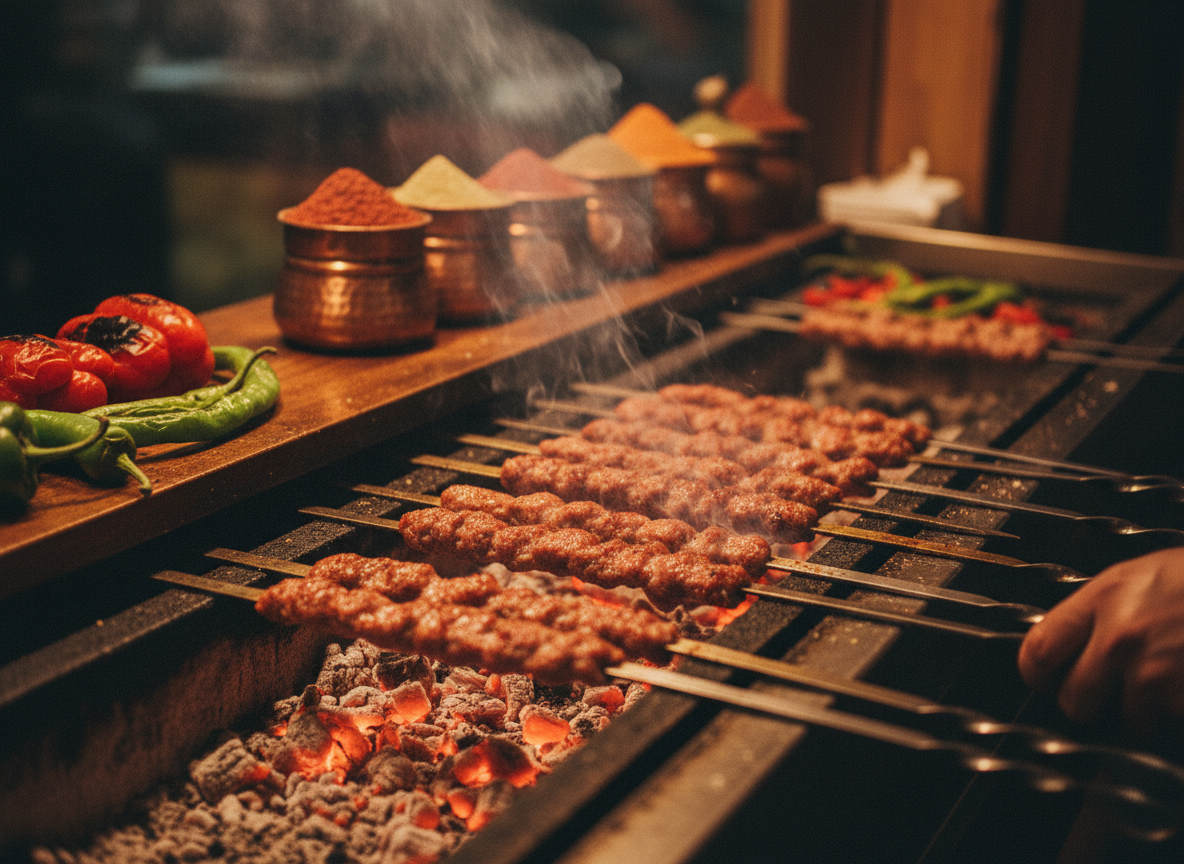
It’s possible in many places. Even if not listed, ask. It works especially well for kebab, doner, and pasta dishes.
Hidden calorie traps on restaurant menus
Now let’s use concrete examples. The best learning moment is when you say, “I do this too.”
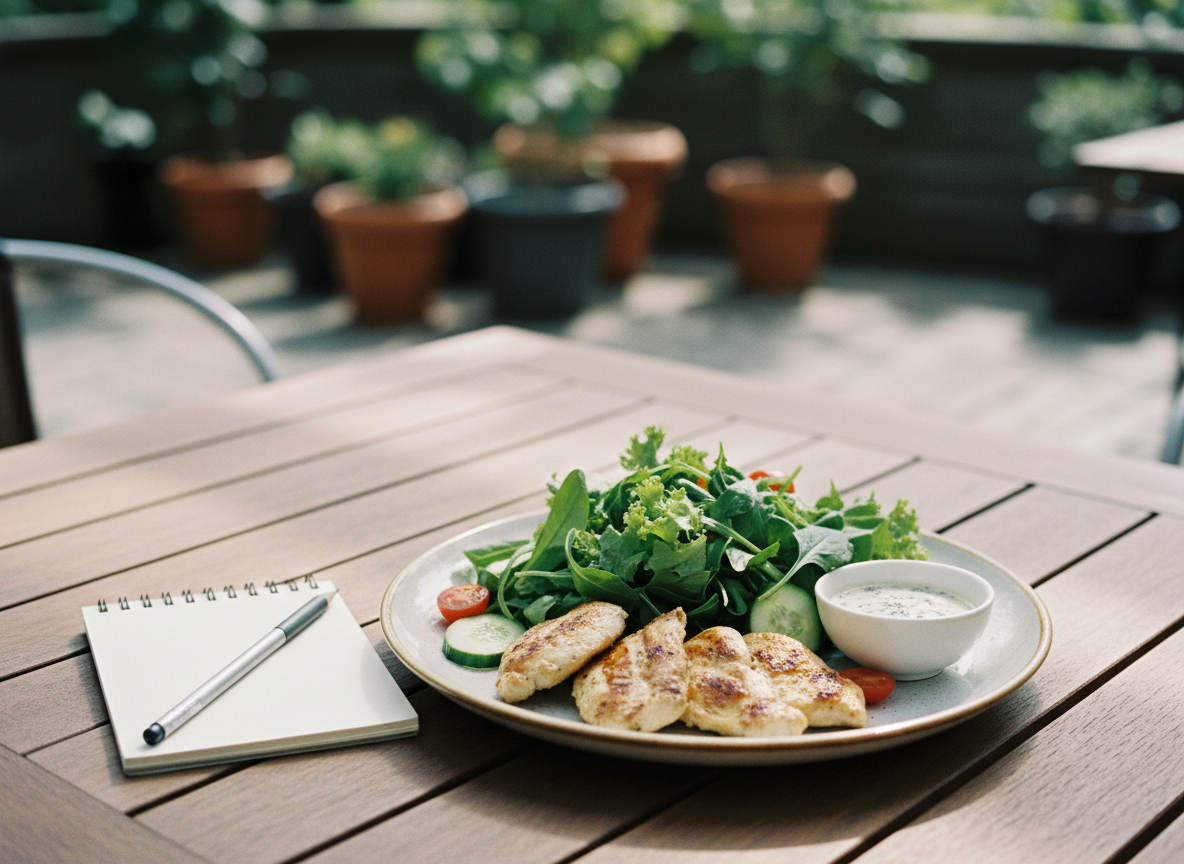
The salad trap: looks healthy, turns heavy
Salad is not always low-calorie. The real risk is what gets added:
Fried chicken pieces.
Croutons.
Extra cheese.
Creamy dressings.
Practical fix: ask for dressing on the side. Olive oil + lemon is usually the safest pair. If you want chicken, choose grilled.
Soup: innocent, but be careful with cream
Classic soups like lentil are usually good choices. But options like creamy mushroom or creamy chicken can raise calories quickly. Bread baskets add automatic extra calories.
Practical fix: control the bread basket. If you want bread, limit to 1-2 slices.
Appetizers: small plates, big total
This is one of the most common ways calorie control breaks while eating out. The “let’s order a few starters” part.
Hummus, strained yogurt dip, spicy tomato spread – all great. But unlimited lavash or bread pushes the balance off track.
Practical fix: choose appetizers, but keep bread consciously limited. Or ask for salad / sliced vegetables.
Sauces: king of invisible calories
Mayonnaise-based sauces.
Barbecue sauce.
Cheddar sauce.
Cream-based sauces.
Why does this matter? Asking for sauce on the side is one of the strongest calorie-control moves. You keep flavor, but you control quantity.
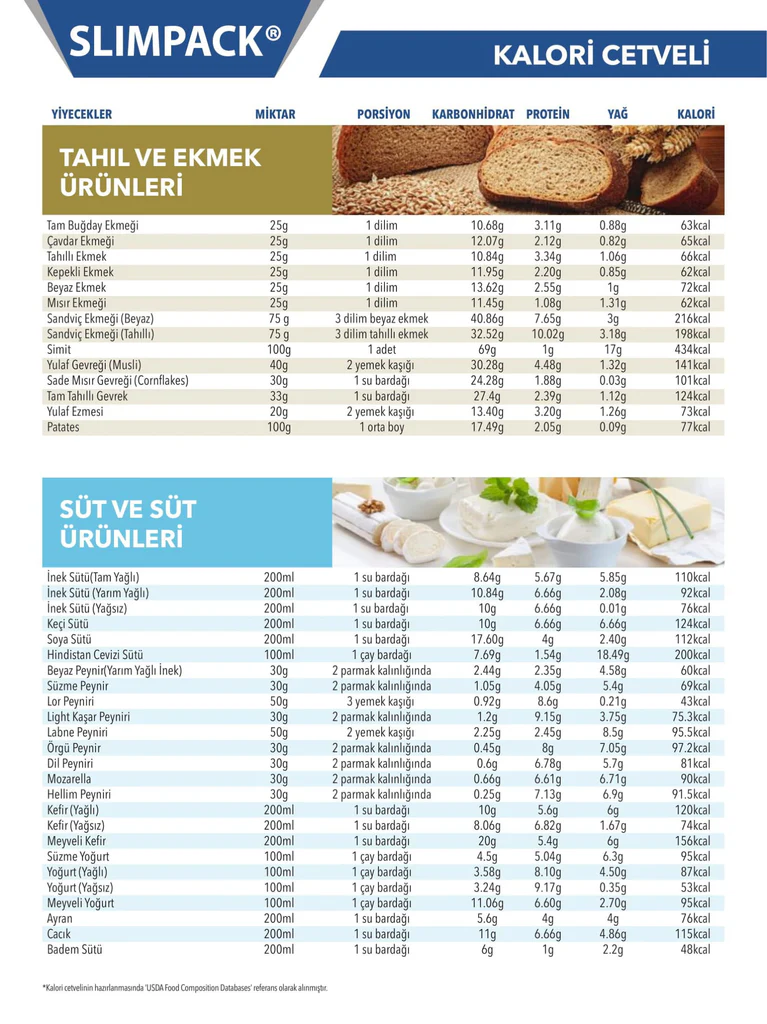
Take a look at what contains how many calories: Calorie Chart
Drinks: the big calorie source hidden in plain sight
Soft drinks, sugary coffees, flavored beverages. On some days, drink calories can approach your main meal.
Practical fix: water, ayran, plain mineral water, unsweetened tea. Better for calories and for budget.
Dessert: the extra surprise after the meal
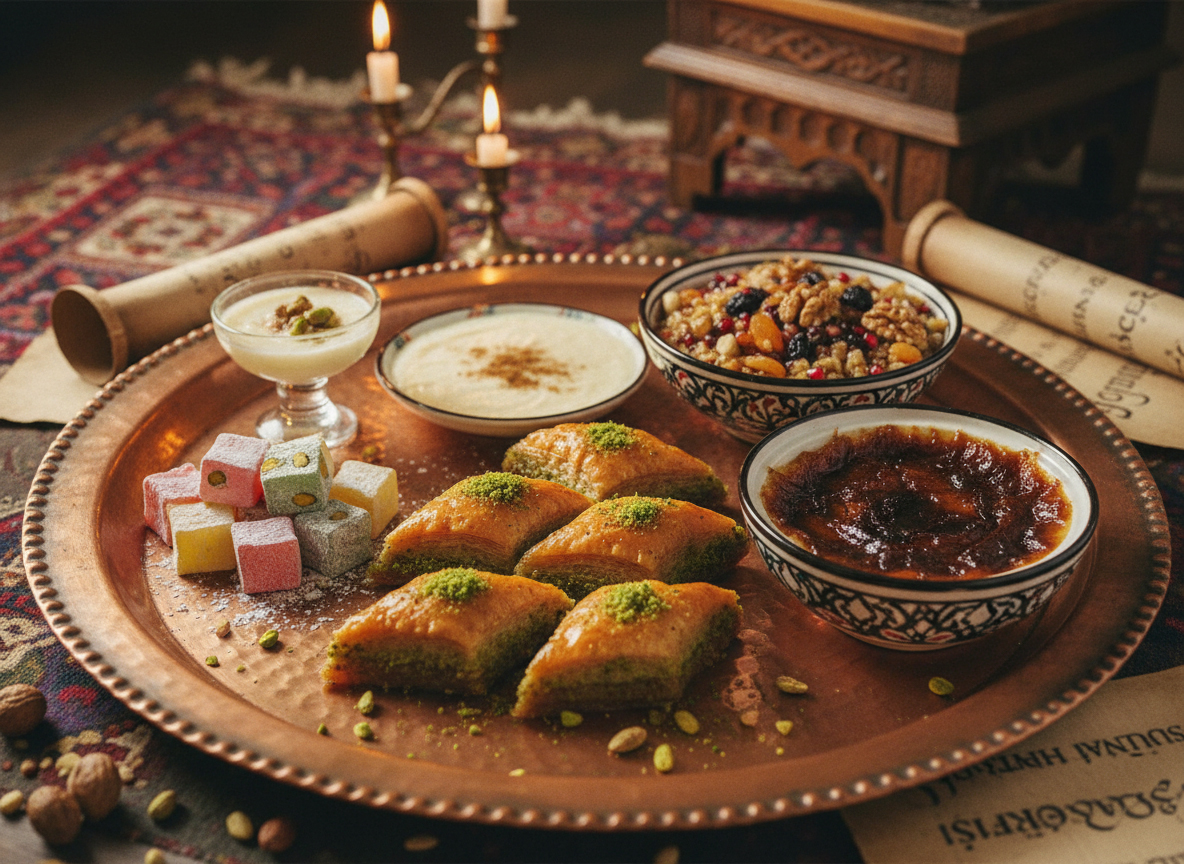
Dessert is not bad. But restaurant portions are often large. Add ice cream, syrup, or sauce, and it escalates fast.
Practical fix: share dessert. Or choose coffee instead on some days. If you want dessert, planning specific days per week works well.
“Smart plate” formula for calorie control
Let’s tie everything to one simple system. You don’t need to calculate every time you eat out. But having a framework makes decisions easier.
Smart plate formula:
Protein: grilled chicken, meat, fish, legumes.
Lots of vegetables: salad or veggie garnish.
Carbohydrate: small portion rice, potatoes, or bread.
Sauce: on the side.
With this approach, you stay full and stay in control.
Balance strategy for “I overdid it today” days
Let’s be realistic. Sometimes it happens. Birthdays, celebrations, friend meetups. The point is not punishment the next day.
Keep the next meal simpler.
Drink plenty of water.
Add a walk.
Cut late-night snacking.
Why important? Sustainability beats perfection.
Once you see hidden calories, the choice is yours
Controlling calories while eating out does not require restricting your life. Hidden calories are usually in oil, sauces, portions, drinks, and “small plate” traps. By reading menu keywords, asking for sauce on the side, managing portions, and keeping drinks simple, you can make a huge difference.
At your next outing, test just one thing. Ask for sauce separately. Or choose water for your drink. Even this small change can create a serious effect in your weekly total. Which part is hardest for you: dessert, drinks, or portions? Once you identify that, calorie control becomes a habit instead of stress.